 fannie@nbtorch.com
 +0086-0574-28909873



2026 Sensor Headlamp OEM/ODM Solutions for Faster Brand Launches
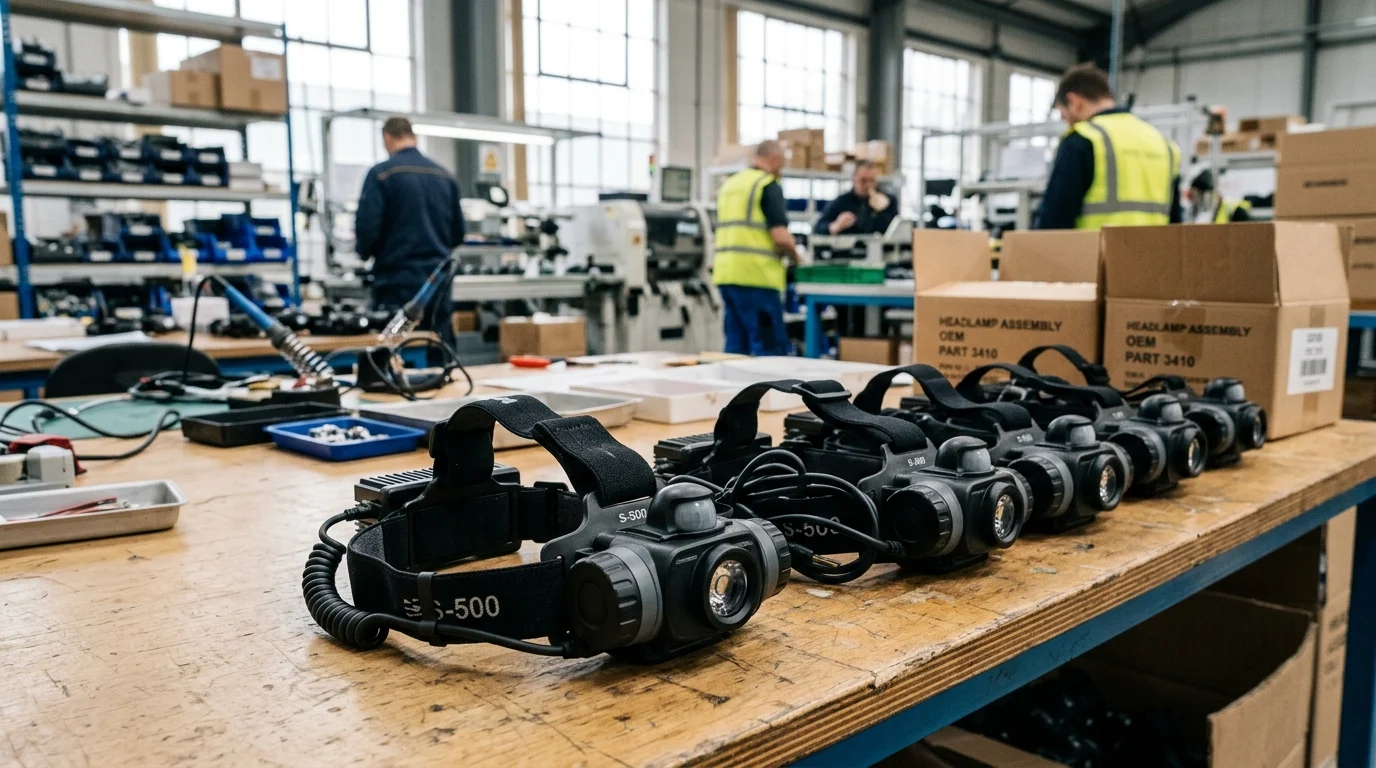
Why Sensor Headlamp OEM/ODM Speeds Up Brand Launches
When managing a product portfolio, time is literally money. Having spent years working with B2B wholesale buyers, I can confirm that waiting 12 to 18 months for a ground-up product launch is a momentum killer. In the competitive outdoor and industrial lighting sectors, leveraging an established OEM/ODM partner is the ultimate strategy for getting a reliable sensor headlamp to market in weeks rather than months.
By tapping into existing supply chain infrastructure, you bypass the friction of prototyping, tooling, and initial compliance testing. With molds, PCB layouts, and assembly lines already dialed in, all you need to do is apply your brand’s DNA to the product. This rapid deployment allows procurement teams to capitalize on seasonal demand—like the fall camping surge or Q4 industrial equipment upgrades—without tying up capital in long development cycles.
A faster launch doesn’t just mean earlier revenue; it means a faster feedback loop. You can get a high-quality product into the hands of your distributors, gather market data, and iterate on the next batch while competitors are still waiting on their first tooling samples.
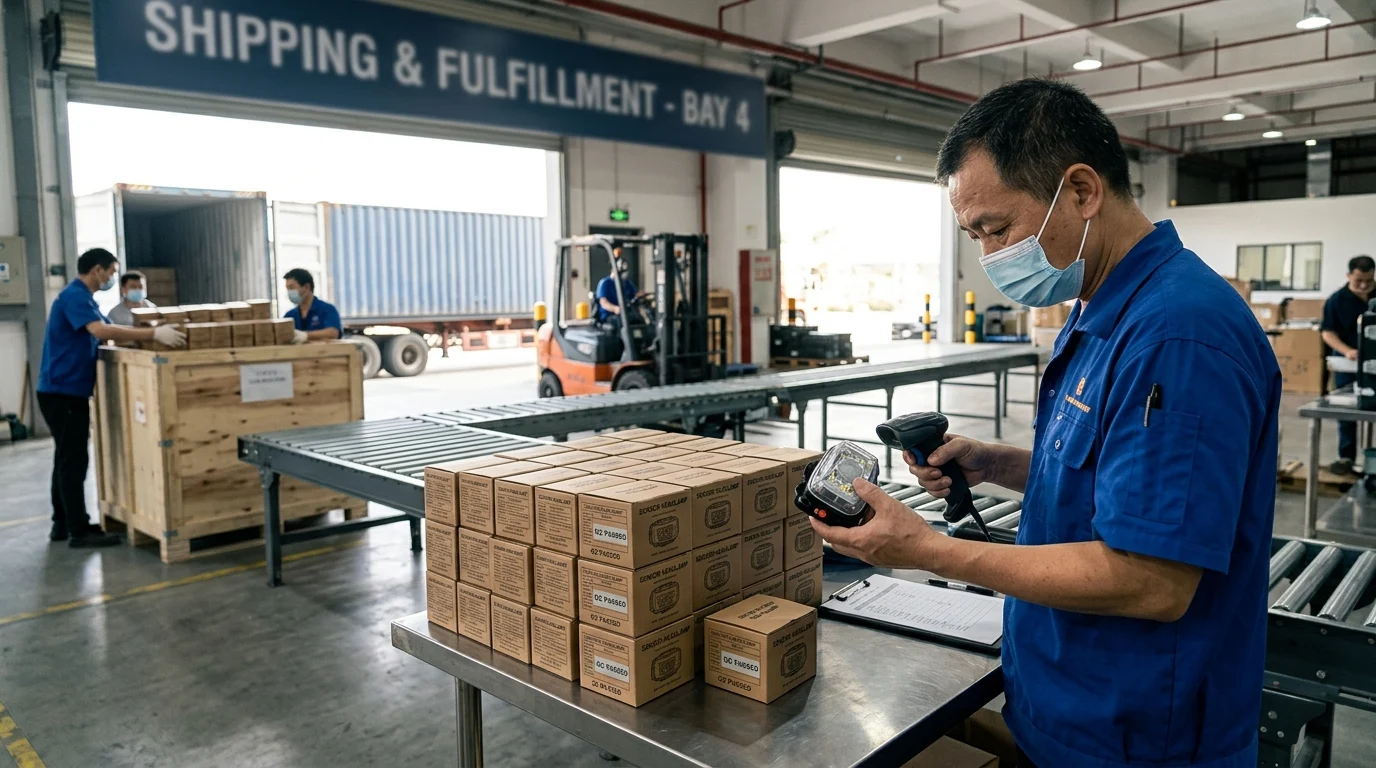
Market shifts for importers, distributors, and private label buyers
The lighting market has shifted heavily toward hands-free, smart-sensor technology. Post-2024 data shows a 35% increase in B2B procurement demand for wave-induction headlamps in the construction and auto-repair sectors alone. I
mporters and distributors are moving away from basic push-button models because end-users now expect touchless operation when their hands are dirty or gloved. If your catalog lacks a sensor-activated model, you are leaving money on the table.
Why faster SKU development matters for B2B programs
Capital efficiency is critical in wholesale. When you lock up funds in a 12-month R&D cycle, that capital isn’t working for you. Faster SKU development means you can react to competitor moves instantly. If a rival brand launches a 1000-lumen model, a solid ODM partner allows you to counter with an upgraded 1200-lumen version in just 30 to 45 days. This agility keeps your brand relevant and your retail buyers satisfied.
Keywords buyers should track in the category
To stay ahead in procurement, you need to speak the language of the current market. Buyers should track specific technical keywords across sourcing platforms: “wave induction sensor,” “COB + XPE dual light,” “Type-C fast charging,” and “IPX6 waterproof.” These aren’t just buzzwords; they are the exact specifications that drive higher retail margins and faster inventory turnover.
Sensor Headlamp OEM vs ODM Explained
Navigating the manufacturing landscape can be confusing without clearly defined terms. Buyers often use OEM and ODM interchangeably, but knowing the difference is crucial for your project timeline and budget. Ultimately, it comes down to who owns the original design and how much engineering work is required before mass production begins.
The process typically starts by auditing the timeline and budget. If a brand has a substantial budget, a proprietary design, and a year to launch, the OEM route is ideal. However, if a distributor needs a high-margin product on the shelves before the busy season hits, proven ODM models are the better choice. Both paths lead to a premium end product, but the journey—and the upfront cost—is vastly different.
Let’s break down exactly what these terms mean and how they dictate available customization options.
Definitions of OEM, ODM, and private label programs
OEM (Original Equipment Manufacturer) means you provide a finished blueprint, and the factory builds it exactly to your specs, which includes absorbing the cost of new molds. ODM (Original Design Manufacturer) means you select from a catalog of pre-engineered ODM lighting solutions and modify them. Private label is essentially a streamlined version of ODM, where you take an off-the-shelf product and simply apply your logo, custom headband, and branded packaging.
Available customization options for headlamp projects
Even if you choose a private label or ODM route, the depth of customization is impressive. You can tweak the lumen output, upgrade the battery from a standard 1200mAh to a high-capacity 2000mAh lithium-ion cell, or change the color temperature of the LED. Factories also offer full customization of the elastic headband—such as jacquard weaving or silicone grip lines—which provides a highly visible branding opportunity for any Custom sensor headlamp project.
When ODM is faster than fully custom OEM
ODM is definitively faster when you need to skip the mold-making process. Opening new plastic injection molds for an OEM project typically takes 40 to 60 days, plus another 15 days for trial runs and adjustments. With an ODM model, the housing is already vetted. The factory can move straight to material procurement and assembly, cutting total lead time from 90 days down to about 30 days.
Key Sensor Headlamp Specifications for Wholesale Success
To protect margins and ensure high sell-through rates, getting the specifications right is essential. Buyers sometimes try to save 50 cents on a cheaper battery, only to suffer a 10% return rate from dissatisfied end-users. In wholesale, reliability is your best marketing tool. You need to know exactly what specs to demand from your factory.
Transparent spec sheets are vital. When reviewing a quotation, don’t just look at the bottom-line price; examine the component breakdown. The difference between a premium headlamp and a disposable one usually comes down to three factors: LED chip quality, battery chemistry, and the reliability of the infrared sensor.
Here is a comparative breakdown of what separates standard wholesale models from premium retail-ready units:
| Specification Feature | Standard Wholesale Model | Premium ODM/OEM Model | Margin Impact |
|---|---|---|---|
| Lumen Output | 300 – 500 Lumens | 800 – 1200+ Lumens | High (Allows premium pricing) |
| Charging Port | Micro-USB | Type-C Fast Charge | Medium (Expected by modern users) |
| Battery Capacity | 800mAh (Polymer) | 1500mAh – 2000mAh (Li-ion) | High (Drives brand loyalty) |
| Sensor Reliability | Basic IR (Prone to ghosting) | Advanced Wave Induction | High (Reduces warranty claims) |
Core specs to compare across models
When evaluating samples, always test the sensor’s actuation distance. A good wave induction sensor should trigger reliably at 10 to 15 centimeters. If it triggers at 30 centimeters, it is too sensitive and will turn off when the user walks past a wall. Additionally, verify the true lumen output using an integrating sphere—many factories inflate these numbers, so insist on honest, tested photometric data.
Features that affect sell-through and margin
Consumers are actively abandoning products with outdated Micro-USB ports. Upgrading to Type-C charging is a non-negotiable feature that significantly boosts sell-through. Furthermore, offering dual light sources—a wide-beam COB strip for close-up work and a focused XPE spotlight for distance—allows you to market Private label headlamps as versatile 2-in-1 tools, easily justifying a 20% to 30% higher retail price point.
Model selection by application and sales channel
You must match the product to the channel. If selling to automotive tool distributors, prioritize durable silicone housings that resist oil and grease. If your channel is outdoor recreation and camping, focus on ultra-lightweight ABS plastic models with red-light modes to preserve night vision. Tailoring the SKU to the specific end-user guarantees better wholesale volume.
How to Evaluate a Sensor Headlamp Supplier
Finding a factory on a sourcing platform is easy; finding a reliable manufacturing partner is hard. Procurement teams should look past glossy supplier profiles and dig into the factory’s actual capabilities. A supplier’s infrastructure directly dictates your launch risk. If they are merely assembling parts bought from a dozen different sub-suppliers, quality consistency will fluctuate wildly from batch to batch.
Vertically integrated production eliminates these risks. When a supplier controls the SMT (Surface Mount Technology) lines for the PCB boards and operates their own injection molding machines, they control the destiny of your product. This is the operational depth you should demand before signing a purchase order.
Communication and crisis management are equally important. When supply chain hiccups happen—and they always do—you want a partner who communicates proactively and clearly, rather than hiding behind an auto-responder.
Factory capabilities that reduce launch risk
Look for in-house PCB assembly and strict aging test protocols. For a dedicated OEM headlamp manufacturer, the primary advantage lies in testing rigor. Ensure every single sensor headlamp undergoes a 100% functional test and a 24-hour battery aging cycle before packaging. This drops the defect rate to well under 0.5%, virtually eliminating the risk of a botched launch.
How to assess MOQ, lead time, and quality consistency
Don’t just ask, “What is your MOQ?” Ask, “What is your MOQ for custom packaging versus a custom housing?” A reliable supplier will offer tiered MOQs—perhaps 1,000 units for standard housing with a custom logo, and 3,000 units for a fully custom color injection. Request their AQL (Acceptable Quality Limit) standards document to ensure they maintain consistency across multiple production runs.
Service factors beyond price
Price is only one component of cost. Consider the value of a supplier’s engineering support. Do they offer free 3D rendering of your logo on the product? Do they provide structural engineering advice if you want to modify a mold? A factory that acts as a true consultant will save thousands of dollars in design iterations and third-party testing fees.
Compliance and Quality Requirements Before Ordering
Do not wire a deposit until you have verified product compliance. Customs agencies in North America and the EU have become incredibly strict regarding electronic imports, particularly those containing lithium-ion batteries. Having a container of headlamps seized at the port because you lack a simple UN38.3 battery certificate is a nightmare that will instantly destroy your ROI.
Compliance isn’t just about crossing borders; it’s about liability. If a poorly manufactured battery vents or catches fire, your brand is on the hook. This is why top suppliers maintain an updated library of certifications for all base models, allowing B2B partners to import with total confidence and peace of mind.
Before finalizing a bulk order, create a checklist. Mandate specific quality control tests and ensure all paperwork is generated concurrently with production, not as an afterthought.
Required certifications and market regulations
For the European market, CE and RoHS certifications are mandatory, alongside REACH compliance for plastics and straps. For the US, FCC certification is required for electronic emissions. Crucially, any headlamp with a rechargeable lithium battery must have UN38.3 and MSDS (Material Safety Data Sheet) reports; otherwise, freight forwarders will refuse to load the cargo onto a plane or vessel.
Quality control checks buyers should request
Always specify QC requirements in the purchase order. Recommend demanding a 1.5-meter drop test on concrete to verify housing durability, an IPX4 or IPX6 water spray test to validate weather resistance, and a switch-cycle test (usually 10,000 presses) to ensure physical buttons and sensor relays do not fail prematurely.
Documents needed before shipment
Before authorizing the final balance payment, ensure you have the Commercial Invoice, Packing List, Bill of Lading (or Air Waybill), and the Certificate of Origin. Additionally, request the factory’s internal final inspection report or hire a third-party inspection service (like SGS or TÜV) and require their passing certificate before the goods leave the loading dock.
How Packaging, MOQ, and Logistics Affect Profitability
Many buyers obsess over the unit cost of the headlamp itself but completely ignore packaging and logistics, which can easily consume 20% of the gross margin. Mapping out the exact sales channel is crucial because the physical footprint of the product dictates ocean or air freight costs.
For instance, a bulky retail blister pack might look great on a hardware store pegboard, but it ships terribly. You are essentially paying to ship empty air across the ocean. By optimizing packaging design, suppliers can frequently help buyers fit 15% to 20% more units onto a standard shipping pallet, dramatically lowering the landed cost per unit.
Consider how packaging choices impact a standard 10,000-unit LCL (Less than Container Load) shipment volume:
- Double Blister Pack: ~12 CBM (Cubic Meters)
- Standard Color Box: ~8.5 CBM
- Compact E-commerce Kraft Box: ~6.5 CBM (Best for Amazon FBA)
Packaging formats for different sales channels
If selling B2B to industrial supply catalogs, a simple, eco-friendly kraft box is perfectly fine and highly cost-effective. If targeting big-box retail, you need a high-gloss color box with a magnetic flap or a PET window so the buyer can see the sensor tech. A tailored Headlamp branding service ensures the packaging matches the exact physical retail environment the product will live in.
How MOQ and shipping rules affect landed cost
Order volume dictates the shipping method. If the MOQ is only 500 pieces, air express is likely required, which is fast but expensive (often adding $1.50 to $2.00 per unit). Scaling the MOQ to 3,000 pieces or more allows for ocean freight (LCL or FCL), dropping shipping costs to mere pennies per unit and vastly improving wholesale profitability.
Cost factors to compare before launch
When calculating the true landed cost, map out the factory unit price, packaging premium, freight forwarder’s fees, customs duties (which vary by HS code), and domestic warehousing costs. Only by looking at this holistic number can you accurately set distributor pricing tiers and MSRP.
Step-by-Step Process to Launch a Private Label Sensor Headlamp
Launching a product shouldn’t feel like a guessing game. A highly structured launch process can take B2B clients from an initial email inquiry to a fully stocked warehouse in under 60 days. The key is parallel processing—handling packaging design and certification paperwork at the same time the factory is doing the physical assembly.
A strong ODM partner acts as an extension of your procurement team. The moment a base model is selected, they generate die-cut templates for your design team, initiate custom headband sampling, and lock in raw material pricing to protect against sudden currency or component fluctuations.
Here is how a private label project is executed, ensuring you hit your launch window without compromising on quality or margin.
From inquiry to bulk order
The process is linear: First, send an inquiry with target specs and volume. Second, the factory ships an off-the-shelf sample for tactile evaluation. Third, provide logo files and packaging artwork. Fourth, the factory produces a pre-production sample (PPS) with exact branding. Once the PPS is approved, the deposit is wired, and mass production begins.
How to shorten development time without raising risk
The best way to shave weeks off the timeline is to utilize an existing, proven housing and focus customization entirely on aesthetics and software. By keeping the injection-molded shell standard but customizing the headband, box, and UI (like adding a specific strobe sequence), you get a unique product in 30 days without the risk of new mold failures.
FAQ and Key Takeaways for Choosing the Right OEM/ODM Partner
Choosing the right manufacturing partner is the most consequential decision in a product’s lifecycle. It requires balancing speed, cost, and reliability. Here are the most common questions procurement directors ask during initial consultations.
Always remember that the cheapest quote is rarely the most profitable once defect rates and delayed shipments are factored in. You need a partner with the scale to deliver, the agility to customize, and the integrity to stand behind their product.
Typical MOQ for customized orders
For a basic private label run (custom logo on the headlamp and a custom color box), the standard MOQ is usually 1,000 pieces. If you want to custom-dye the plastic housing to match a specific Pantone color, the MOQ generally increases to 3,000 pieces to account for raw material minimums required by plastic suppliers.
Expected timeline from sampling to shipment
If choosing an ODM route, expect the pre-production sample to take 7 to 10 days. Once approved, mass production typically takes 25 to 30 days. Add another 3 to 5 days for final QC and port delivery. In total, expect roughly 45 days from the green light to the vessel departing the port.
Top decision criteria for speed, risk, and margin
When making a final factory selection, prioritize suppliers with in-house assembly, transparent component sourcing, and a deep library of existing molds. This combination guarantees the highest speed to market, the lowest risk of technical failure, and the tightest control over ultimate profit margins.
Related Reading: Custom sensor headlamp
Key Takeaways
- Wholesale sourcing and supply-chain implications for Sensor Headlamp
- Specifications, compliance, and commercial terms buyers should validate
- Actionable recommendations for distributors and procurement teams


