 fannie@nbtorch.com
 +0086-0574-28909873




Selecting the ideal headlamp elevates any outdoor adventure. These essential tools offer more than just light; their advanced features significantly enhance safety and enjoyment. For instance, 65% of American adults who camp or hike annually rely on LED-based headlamps for both safety and convenience. The Best Multifunctional Outdoor Headlamps strike a crucial balance, providing optimal brightness, extended battery life, and superior comfort for prolonged use.
Key Takeaways
- Choose a headlamp that fits your activity. Different activities need different features, like brightness or battery life.
- Look for comfort and a good fit. A headlamp should feel good on your head, especially for long use.
- Check for water and dust protection. This keeps your headlamp safe in bad weather.
- Red light mode helps your eyes see better in the dark. It also keeps bugs away.
- Be careful of fake claims. Some companies lie about how bright or how long their headlamps work.
Top Picks: Best Multifunctional Outdoor Headlamps for Every Adventure

Choosing the right headlamp significantly enhances any outdoor experience. This section highlights the Best Multifunctional Outdoor Headlamps available, categorized to help adventurers find their perfect match. Each selection offers a unique blend of features, performance, and value, catering to diverse needs from demanding expeditions to casual camping trips.
Best Overall Multifunctional Outdoor Headlamp
The Black Diamond Storm R stands out as an exceptional choice for an all-around multifunctional outdoor headlamp. This model consistently receives high praise for its robust performance across various conditions. It delivers a very bright beam, ensuring excellent visibility, and includes a dimmable red light, which helps preserve night vision. Its waterproof rating of IPX67 means it withstands immersion, making it reliable in harsh weather. Users appreciate its brightness memory feature, which recalls the last used setting, and its convenient rechargeable battery. While some users note it can accidentally reach maximum brightness and exhibit slight movement during running, its comprehensive features make it a top contender. The Storm R boasts 500 lumens and offers multiple modes, including proximity, distance, dimming, strobe, and colored lights (red, green, blue). Weighing only 4.23 ounces, it provides approximately 13 hours and 15 minutes of measured battery life. Its intuitive design and diverse light modes make it suitable for backpacking, camping, and most outdoor pursuits, effectively checking all boxes for brightness, waterproofing, and comfort.
Best Multifunctional Outdoor Headlamp for Backpacking
For backpackers, a headlamp must offer versatility and reliability in remote environments. The ideal multifunctional outdoor headlamp for backpacking incorporates several critical features. It should provide multiple color temperatures to adapt to different conditions. For instance, a 6500K cool white light offers maximum visibility and contrast, while a 4500K neutral white provides a more natural appearance. A 3000K warm white light proves invaluable for penetrating fog and rain, also minimizing glare on snow. The ability to adjust brightness within each temperature setting is also crucial for conserving battery life and adapting to specific needs.
Beyond color temperature, diverse lighting modes are essential. This includes multiple brightness settings for white light, such as Turbo, High, Mid, Low, and Ultra-Low, available across all color temperatures. Red light modes, both high and low, are vital for preserving night vision and deterring insects, which can be a significant advantage in the wilderness. Furthermore, special modes for emergencies provide a critical safety net. Features like slow-flashing red, SOS (Morse code), and Beacon (regular white flashes) are indispensable for signaling in rescue situations. Finally, a reliable power indicator light is important for monitoring battery life, preventing unexpected power loss during extended trips.
Best Budget-Friendly Multifunctional Outdoor Headlamp
The BioLite Dash 450 emerges as an excellent option for those seeking a high-performing headlamp without a hefty price tag. Experts widely regard it as a “damn good all-around performer” and “exceptionally versatile,” making it one of the cheapest yet most effective headlamps on the market. Its suitability for both running and camping highlights its multifunctional capabilities. Priced at approximately $59.95 in the US, it offers remarkable value. This headlamp proves ideal for a range of activities, from hiking and trail running to family camping and overseas backpacking trips.
The BioLite Dash 450 weighs a mere 78g (2.75oz) and delivers a maximum of 450 lumens. Its spot beam reaches up to 90 meters (295ft). The headlamp boasts an impressive burn time of 60 hours on low settings and 3 hours on high. It features various front light modes, including white spot, white flood, a white spot and flood combo, and a white strobe, along with a red flood light. For added safety, it includes rear light modes such as red strobe and red flood. With an IPX4 water resistance rating, it is splashproof, making it suitable for light rain. It comes equipped with an integrated rechargeable 1000 mAh Lithium-ion battery, offering convenience and sustainability.
Brightest Multifunctional Outdoor Headlamp for Demanding Conditions
When facing demanding conditions, a headlamp’s brightness becomes paramount. For activities like caving, search and rescue operations, or navigating dense, unfamiliar terrain at night, users require an exceptionally powerful light source. These situations demand headlamps capable of cutting through darkness, illuminating distant objects, and providing a wide, clear field of vision. Such headlamps often feature high lumen outputs, frequently exceeding 1000 lumens, and offer various beam patterns. A focused spot beam helps identify distant landmarks, while a broad flood beam provides excellent peripheral vision, crucial for situational awareness. Many of these high-output models also incorporate advanced optics to maximize light efficiency and beam distance. While extreme brightness consumes more power, these headlamps typically feature larger, often rechargeable, battery packs to ensure adequate runtime for critical tasks.
Most Durable Multifunctional Outdoor Headlamp for Extreme Environments
Durability is a non-negotiable trait for headlamps used in extreme environments. These conditions demand a robust construction that withstands harsh elements and accidental impacts. The Fenix HM series headlamps exemplify this, featuring an all-metal housing construction. This design ensures extreme durability while maintaining a compact and lightweight form factor, making them particularly well-suited for demanding conditions.
For true resilience in extreme environments, headlamps require an IP68 rating. This rating signifies complete protection against dust ingress and continuous immersion in water, making them crucial for marine settings and severe weather. Beyond water and dust, impact resistance also plays a vital role. Manufacturers measure impact resistance in meters, indicating the height from which a headlamp can be dropped onto hard surfaces like concrete without sustaining damage. This feature further contributes to overall durability.
The Internova LED rechargeable headlamp offers another excellent example of robust construction. It features high-density polymer construction and an IPX7 waterproof rating, ensuring its resilience in wet conditions. This headlamp withstands full submersion in water for up to 30 minutes. It also boasts a 2-meter drop resistance, making it suitable for extreme outdoor activities. Its multifunctional design includes multiple lighting modes, such as high, low, and a hidden red strobe, with separate controls for focused and flood lighting. The headlamp also has a 30-degree tiltable body for adjustable light angles and a comfortable, sweat-resistant headband for extended wear, even in the toughest situations.
Best Multifunctional Outdoor Headlamp for Trail Running
Trail runners require a headlamp that offers a unique blend of features: lightweight design, stable fit, and dynamic lighting capabilities. A headlamp for trail running must remain secure on the head, preventing bounce or slippage during high-impact movements. Manufacturers achieve this stability through ergonomic designs and comfortable, often adjustable, headbands. Weight distribution also plays a crucial role; lighter models or those with rear-mounted battery packs help maintain balance.
Lighting for trail running demands a wide flood beam to illuminate the immediate path and peripheral areas, helping runners spot obstacles and navigate uneven terrain quickly. Some advanced models incorporate reactive lighting technology, which automatically adjusts brightness based on the ambient light and the runner’s gaze, optimizing visibility and conserving battery life. Ease of use is another key factor; runners need to adjust settings quickly and intuitively without breaking stride. Furthermore, sweat resistance and a reliable battery life suitable for typical running durations are essential for consistent performance on the trails. These Best Multifunctional Outdoor Headlamps enhance safety and performance for runners tackling challenging routes in low-light conditions.
Best Multifunctional Outdoor Headlamp for Camping and General Use
An ideal headlamp for camping and general outdoor use prioritizes versatility, comfort, and user-friendliness. These headlamps serve a broad range of activities, from setting up a tent in the dark to reading inside a sleeping bag or navigating a campsite path. They offer a balanced set of features, ensuring reliability without unnecessary complexity or excessive power. Users value a headlamp that performs consistently across various common scenarios.
Brightness levels for camping headlamps typically range from 100 to 300 lumens. This range provides ample illumination for most camp tasks. Dimmable settings are crucial. They allow users to adjust the light output, conserving battery life and preventing glare. A lower lumen setting is perfect for close-up work, like cooking or organizing gear. Higher settings illuminate a wider area around the campsite.
Battery life is another significant consideration. Campers often spend multiple nights outdoors without access to charging points. Headlamps with long runtimes on medium or low settings are highly desirable. Many models now feature rechargeable batteries, offering convenience and reducing waste. Some even include a battery level indicator, allowing users to monitor power status effectively.
Comfort and fit are paramount for extended wear. A lightweight design prevents neck strain. An adjustable, elastic headband ensures a secure yet comfortable fit for various head sizes. Many headlamps also feature a tiltable lamp body. This allows users to direct the beam precisely where they need it, whether looking down at a map or across the campsite.
The red light mode is an indispensable feature for camping. It preserves night vision, preventing the eyes from having to readjust to darkness after exposure to bright white light. Red light also minimizes disturbance to fellow campers and wildlife. Many users find it less attractive to insects, making evenings around the campfire more pleasant.
Durability and water resistance protect the headlamp from the elements. An IPX4 rating, indicating splash resistance, is generally sufficient for camping and general outdoor activities. This rating protects against rain and accidental splashes. Robust construction ensures the headlamp withstands minor drops and bumps, common occurrences in an outdoor setting.
Ease of use defines a good camping headlamp. Simple button controls allow for quick mode changes. An intuitive interface means users can operate the headlamp without fumbling in the dark. Lockout modes prevent accidental activation in a backpack, saving battery life. These Best Multifunctional Outdoor Headlamps combine these practical features, making them indispensable tools for any outdoor enthusiast.
How We Tested the Best Multifunctional Outdoor Headlamps
Our Rigorous Testing Methodology
Our team employs a systematic approach to evaluate headlamps. We begin with laboratory assessments. Testers use industrial light meters to measure actual brightness output. This provides an objective lumen count. A specialized ‘light coffin’ then measures battery life under controlled conditions. This ensures consistent and accurate runtime data. Beyond the lab, we conduct extensive in-field testing. This evaluates real-life performance across various outdoor activities. These activities include demanding trail runs, overnight backpacking trips, and general camp tasks. We also perform gloved-use tests. These tests assess the ease of operation when wearing medium-thickness winter gloves. This factor contributes to the overall ease-of-use score.
Real-World Performance Evaluation
Our evaluation extends beyond technical specifications. We assess how each headlamp performs in practical scenarios. Testers navigate rugged trails in complete darkness. They perform camp chores, such as cooking and setting up tents. They also read maps and books in low-light conditions. This comprehensive approach reveals a headlamp’s true capabilities. It highlights its reliability and user-friendliness under pressure. This real-world testing ensures our recommendations reflect genuine outdoor utility.
Key Criteria for Headlamp Selection
Reputable outdoor gear reviewers consider several key criteria when selecting headlamps. They favor lightweight models, ideally not exceeding three to four ounces. This minimizes user fatigue during extended wear. Headlamps must be versatile and bright enough for various tasks. These tasks range from reading and camp chores to hiking rugged trails and off-trail route-finding. An intuitive and easy-to-use design is crucial. Headlamps should require minimal instruction. Users must operate them with gloves. Battery changes should not need tools. The headlamp must project a focused and even beam, avoiding blotchy or uneven light. Finally, rechargeable options are preferable. They avoid repeated battery purchases and disposal, offering convenience and sustainability.
Buyer’s Guide: Choosing Your Ideal Multifunctional Outdoor Headlamp
Selecting the right headlamp requires careful consideration of various factors. A well-chosen headlamp significantly enhances safety and enjoyment during outdoor activities. This guide helps consumers understand key specifications and features, ensuring they make an informed decision for their next adventure.
Understanding Lumens and Brightness
Lumens measure the total amount of visible light emitted by a light source. A higher lumen count generally indicates a brighter headlamp. However, brightness alone does not tell the whole story. Beam pattern, beam distance, and light intensity also play crucial roles in a headlamp’s effective illumination.
Industry standards exist for measuring headlamp performance. These standards ensure consistent and comparable data across different products. For example, automotive headlamp lumens and brightness adhere to specific regulations. These include:
- ECE R20
- ECE R112
- ECE R123
- FMVSS 108
The Insurance Institute for Highway Safety (IIHS) also evaluates and rates vehicle headlights for acceptable intensity. They do this as part of their Headlight Evaluation program. To measure headlamp performance against these standards, the headlamp beam projects onto a flat surface, such as a screen or wall, from a known distance. Illuminance and luminous intensity measurements then capture at specific physical locations across the plane of this surface. This process allows for the assessment of the amount of light emitted, its direction, and the resulting beam pattern. Consumers should look for headlamps that provide clear specifications, not just a high lumen number.
Battery Types and Runtime Explained
A headlamp’s battery type directly impacts its runtime and overall performance. Different battery chemistries offer varying energy densities and discharge characteristics. Understanding these differences helps users choose a headlamp suitable for their activity duration.
Rechargeable lithium-ion batteries, such as 18650 cells, offer excellent energy density and can be recharged multiple times. This reduces waste and long-term costs. Disposable alkaline batteries (AA, AAA) provide convenience for shorter trips or as backup power. CR123A lithium batteries offer good performance in cold weather and a long shelf life.
The table below illustrates typical runtimes for common battery types at different brightness settings:
| Battery Type | Run Time (High Mode) | Run Time (Low Mode) |
|---|---|---|
| 3xAAA Alkaline | 2–4 hours | 20+ hours |
| 18650 Li-ion (3200mAh) | 3–10 hours | 40+ hours |
| CR123A Lithium | 3–6 hours | 30+ hours |
Users should consider their typical activity length when evaluating battery runtime. A headlamp with a longer runtime on low mode proves beneficial for extended trips where conserving power is essential.
Comfort and Fit for Extended Wear
A headlamp’s comfort and fit significantly impact user experience, especially during extended wear. An uncomfortable headlamp can cause distractions or even headaches. Ergonomic design features contribute to optimal comfort.
Several design elements enhance comfort:
- Rear-positioned batteries, such as those utilizing BackBalance Fit™ technology, shift weight away from the forehead. This design enhances comfort and reduces bounce during activities like walking, running, or hiking.
- Adjustable straps ensure a secure fit without excessive pressure.
- Weight distribution, balancing the front and back of the headlamp, improves comfort and minimizes bouncing.
- Soft, wicking strap materials enhance comfort and reduce moisture build-up.
- Lightweight construction contributes to overall comfort, making the headlamp barely noticeable during extended use.
- Balanced design and headband design are key comfort factors, ensuring the headlamp stays put during activities.
- Moisture-wicking headbands prevent sweat from entering the eyes during strenuous activities.
Specific headlamps exemplify excellent comfort design. The Black Diamond Spot 400-R features a lightweight build, well-balanced design, and a soft, adjustable strap. This makes it comfortable for hours of continuous wear. The Petzl Actik CORE receives praise for its comfortable and secure fit. It features a soft, stretchy strap and balanced lamp housing that reduces pressure points. The BioLite Dash 450 offers a no-bounce design. It balances a lightweight front lamp with a small rear battery pack, particularly beneficial for runners. It also includes a moisture-wicking headband. Headband design is crucial for long-wear comfort, especially during high-movement or stationary tasks.
Water and Dust Resistance Ratings
Headlamps operating in outdoor environments frequently encounter moisture and particulate matter. Therefore, water and dust resistance ratings are crucial specifications for any multifunctional outdoor headlamp. These ratings indicate a device’s ability to withstand environmental challenges. The Ingress Protection (IP) marking system classifies this degree of protection. The ‘IP’ stands for Ingress Protection.
The IP rating consists of two digits. The first digit indicates protection against solid particles like dust. The second digit describes protection against liquids such as water. An ‘X’ in an IPX rating signifies that manufacturers have not tested the device for protection against solid particles. The second digit, following the ‘X’, specifically describes the level of protection against liquids.
The following table illustrates the meaning of each digit in an IP rating:
| Digit | Protection Against (Solids) | Protection Against (Water) |
|---|---|---|
| X | Not Tested | Not Tested |
| 0 | No Protection | No Protection |
| 1 | Objects larger than 50 mm | Dripping Water |
| 2 | Objects larger than 12.5 mm | Dripping Water Tilted up to 15° |
| 3 | Objects larger than 2.5 mm | Spraying Water |
| 4 | Objects larger than 1 mm | Splashing Water |
| 5 | Dust Protected | Water Jets |
| 6 | Dust Tight | Powerful Water Jets |
| 7 | N/A | Immersion up to 1 Meter |
| 8 | N/A | Continuous Immersion, 1 Meter or More |
Specific IPX ratings offer different levels of water protection:
- IPX4 Rating: This rating indicates weatherproof protection. Manufacturers test devices to resist splashing water on all sides for five minutes (10 liters/minute). It protects against moisture, condensation, and rain, but not continuous submersion.
- IPX5 Rating: Devices with this rating are protected against low-pressure water jets from any direction.
- IPX6 Rating: This signifies protection against high-pressure water jets from any direction.
- IPX7 Rating: Headlamps with an IPX7 rating are waterproof. They withstand submersion in water at a depth of one meter for 30 minutes.
- IPX8 Rating: This rating indicates protection against continuous immersion. The manufacturer defines specific conditions, including duration and depth.
Choosing a headlamp with an appropriate IPX rating ensures its functionality and longevity in various outdoor conditions. For instance, an IPX4 rating suffices for light rain, while an IPX7 or IPX8 rating becomes essential for activities involving heavy rain or potential submersion.
User Interface and Ease of Use
An intuitive user interface significantly enhances a headlamp’s utility, especially in challenging outdoor conditions. A well-designed interface allows users to operate the device efficiently without fumbling or distraction. This directly impacts safety and convenience during critical moments.
Complex user interfaces can hinder usability. For example, multiple buttons with ambiguous functions or convoluted mode cycling sequences can frustrate users. Such designs become particularly problematic when users wear gloves, operate in darkness, or face urgent situations. A simple, logical control scheme allows for quick adjustments to brightness or beam patterns.
Key features contributing to ease of use include:
- Single-button operation: Many headlamps feature one primary button for power, mode changes, and brightness adjustments. This simplifies interaction.
- Logical mode progression: Headlamps often cycle through brightness settings (low, medium, high) in a predictable order. This allows users to anticipate the next setting.
- Glove-friendly controls: Buttons should be large enough and tactile enough for operation while wearing gloves. This is crucial for cold weather activities.
- Lockout mode: This feature prevents accidental activation. It saves battery life and avoids blinding others when the headlamp is stored in a pack.
- Quick access to essential modes: Users should easily access red light or strobe functions without cycling through numerous white light settings.
An intuitive user interface minimizes the learning curve. It allows users to focus on their activity rather than struggling with their equipment. Ultimately, a headlamp with an easy-to-use interface enhances the overall outdoor experience and contributes to greater safety.
The Benefits of Red Light Mode
Red light mode is a highly valuable feature in multifunctional outdoor headlamps. Its primary role involves safeguarding natural night vision. Unlike white light, which constricts pupils and hinders adaptation to darkness, red light’s longer wavelength minimizes glare. This makes it ideal for activities like camping, stargazing, and other nighttime navigation. It prevents blinding oneself or others and maintains the eyes’ sensitivity to ambient light. A user noted that using red light in a tent avoids ‘blasting your eyes out’ and eliminates the need for eye adjustment common with white light.
Red light offers several distinct advantages:
- Faster Focusing: Human eyes adjust more quickly to red light than white light when transitioning from darkness.
- Preserves Night Vision: Red light does not cause the pupil to shrink as much as bluish/white light. This helps maintain night vision.
- Better Peripheral Vision: Red light helps preserve peripheral vision more effectively than white light. The eye does not adjust as much, allowing for better visibility of objects outside the direct light cone.
As a user explained, “Red light doesn’t shrink your pupils as much as white light, so you regain night vision faster.” This characteristic helps in retaining night vision and facilitates movement in the dark.
Beyond preserving night vision, red light mode offers other practical benefits. It proves less attractive to insects than white light, making it preferable for evening activities around a campfire. It also minimizes disturbance to wildlife and fellow campers, promoting a more harmonious outdoor experience. For tasks requiring minimal light, such as reading a map or checking gear inside a tent, red light provides sufficient illumination without overwhelming the eyes. This versatile feature significantly enhances the utility of a headlamp for various low-light scenarios.
Weight and Portability Considerations
A headlamp’s weight and portability significantly influence user comfort and convenience, especially during extended outdoor activities. A lightweight headlamp reduces neck strain and minimizes bounce, which becomes crucial for dynamic movements like trail running or climbing. Portability also affects how easily users can pack and carry the headlamp without adding unnecessary bulk to their gear.
Manufacturers continually innovate to produce lighter yet powerful headlamps. For instance, the NITECORE NU05 V2 Ultra Lightweight USB-C Rechargeable Headlamp Mate features an ultra-lightweight and compact design, weighing only 11.1g (0.39oz). Other models also prioritize minimal weight. The NITECORE NU20 Classic Ultra Lightweight Outdoor Headlamp has a total weight of 38g (1.34 oz), while the NITECORE NU11, which includes a motion sensor, weighs 41g (1.45 oz). The NITECORE NU25 MCT UL headlamp weighs 47g (1.66 oz), and the NU27, NITECORE’s first headlamp with MCT UHE LEDs, weighs 56g (1.98 oz).
As headlamps incorporate more features or larger batteries, their weight can increase. The NITECORE NU30, a lightweight outdoor headlamp with a 1,500mAh battery, weighs 90g (3.17 oz). The NITECORE NU31 and NU33, both triple output USB-C rechargeable headlamps, weigh 95.5g (3.37oz). High-performance models like the NITECORE NU40, a USB-C rechargeable headlamp, weigh 116g (4.09 oz). The NITECORE NU43, recognized as the world’s lightest 18650 rechargeable headlamp, also weighs 116g (4.09 oz). The NITECORE NU50, a superior performance USB-C rechargeable headlamp, weighs 146g (5.15 oz). This range demonstrates that users can find headlamps tailored to their specific weight preferences, balancing features with the need for a light and portable device.
Beam Patterns and Adjustability
Headlamps offer various beam patterns, each designed for specific illumination needs. Understanding these patterns helps users select a headlamp that effectively supports their activities. Adjustability in beam patterns further enhances a headlamp’s versatility, allowing users to switch between different light distributions as conditions change.
Three primary beam patterns exist: spot, flood, and combination.
| Feature | Spot Beam | Flood Beam | Combination Beam |
|---|---|---|---|
| Description | Focused, precise, 10-degree angle, illuminates objects further away, sacrifices side illumination | Wide, 60-degree angle, illuminates sides of trail, uniform luminosity, decreased distance | Mix of both spot and flood, versatile, combines long-range and wide-area coverage |
| Advantages | Great for distances, slow moving trails, straight country roads | Great for fast moving trails, curvy back country roads | Sees far and wide, great for vehicles with limited mounting space |
| Disadvantages | Very narrow beam, obstacles off to the side may go unnoticed | Distance is the major drawback | Doesn’t offer full functionality of either beam individually (unless controllable) |
| Mounting | Roofs, upper windshields, front bumper (higher the better) | Front bumpers (roof mounting can cause glare) | Any forward-facing location |
A spot beam provides a targeted, concentrated stream of light. This beam type offers long-distance visibility, which helps users make early decisions on rugged mountain trails, open landscapes, or during high-speed off-road activities. Spot beams typically have a narrow angle, often between 10 to 20 degrees, creating an intense, focused light for maximum forward visibility at long distances.
A flood beam delivers broad, uniform illumination with wide coverage. This enhances visibility over wide areas and minimizes blind spots. Flood beams are excellent for campsite setups, rock crawling, slow-paced navigation through dense foliage, or working in loading zones and construction sites. They typically feature a wider angle, ranging from 40 to 60 degrees, flooding an area with tall vertical and wide horizontal light.
A combination beam fuses both spot and flood beams. This provides the best of both worlds, offering both long-range and wide-area coverage. Combination beams are popular and versatile, suitable for navigating unknown terrain, mixed-use vehicles, and various multi-purpose lighting solutions.
| Beam Type | Primary Characteristic | Key Benefit | Ideal Applications |
|---|---|---|---|
| Spot Beam | Targeted, concentrated stream of light | Long-distance visibility, early decision-making | Rugged mountain trails, open landscapes (deserts), high-speed/long-range off-road |
| Flood Beam | Broad, uniform illumination, wide coverage | Enhances visibility over wide areas, minimizes blind spots | Campsite setups, rock crawling, slow-paced navigation through dense foliage, loading zones, construction sites |
| Combination Beam | Fuses spot and flood beams | Best of both worlds, long-range and wide-area coverage | Navigating unknown terrain, mixed-use vehicles, multi-purpose lighting solutions |
Many multifunctional headlamps allow users to adjust the beam pattern. This means they can switch between a focused spot for distant viewing and a wide flood for close-up tasks. This adjustability makes the headlamp adaptable to various situations, from hiking a dark trail to reading a map in a tent. The ability to control the beam pattern significantly enhances a headlamp’s utility and overall performance in diverse outdoor environments.
Red Flags & Buyer Beware: Navigating Headlamp Marketing Claims
Consumers often encounter misleading marketing claims when purchasing headlamps. Understanding these red flags helps buyers make informed decisions. Manufacturers frequently employ tactics that inflate performance metrics, making it difficult to discern genuine product capabilities.
Identifying Misleading Lumen Claims
Manufacturers often inflate lumen claims. They use terms like “Super-Bright” or “High Lumen” to attract buyers. Many products offered at a “big discount” also feature these exaggerated claims. Consumers often focus on brightness, believing “bright is bright.” This leads to positive reviews from inexperienced buyers. For example, claims like “300 lumen mini cree flashlight” or “2000 lumen flashlight LED CREE T6 XML camping torch” are frequently 100% exaggerations. Buyers should avoid lumen claims unless ANSI has tested them. Instead, they should check how the light performs in terms of distance, run times, and waterproof ratings. These metrics are easily verifiable. Shopping reputable brands helps ensure closer adherence to promised lumen output.
Spotting Exaggerated Battery Life
Manufacturers sometimes exaggerate battery life. They often quote maximum runtimes achieved on the lowest possible setting. This does not reflect typical use. Consumers should look for independent test results. They can also compare stated runtimes with similar models from trusted brands. A headlamp claiming “up to 100 hours” might only last a few hours on a usable brightness setting. Always consider the runtime at the brightness level you expect to use most often.
Recognizing Poor Build Quality Indicators
Poor build quality indicators include flimsy materials and faulty production. These issues shorten a headlamp’s lifespan. A deformed reflector housing, for instance, improperly scatters light. This reduces overall brightness. Buyers should inspect the headlamp for loose components. They should also check for uneven finishes or cheap-feeling plastics. These signs often indicate manufacturing defects. Poor-quality materials or faulty production processes can also shorten the bulb’s lifespan.
Avoiding Overly Complex User Interfaces
Headlamps with overly complex user interfaces present a significant red flag. Manufacturers sometimes design devices with too many buttons or convoluted mode-cycling sequences. This complexity hinders efficient operation, especially in challenging outdoor conditions. Users often struggle to change settings quickly or intuitively. For instance, operating a headlamp with multiple small buttons while wearing gloves becomes frustrating. A simple, logical control scheme allows for quick adjustments to brightness or beam patterns.
An intuitive interface minimizes the learning curve. It allows users to focus on their activity rather than struggling with their equipment.
Look for headlamps offering straightforward controls. A single, large button for power and mode changes often indicates good design. Logical mode progression, such as cycling from low to high brightness, also enhances usability. A lockout mode, preventing accidental activation in a pack, further simplifies the user experience. These design choices prioritize user safety and convenience in critical moments.
Understanding Unrealistic Price Points
Unrealistic price points should raise a buyer’s suspicion. Headlamps that are either suspiciously cheap or excessively expensive without clear justification often indicate potential issues.
- Suspiciously Cheap Headlamps: Extremely low prices frequently signal poor build quality, exaggerated performance claims, or unreliable components. These headlamps might fail prematurely or deliver significantly less brightness and battery life than advertised. Buyers should compare prices with reputable brands offering similar features.
- Excessively Expensive Headlamps: Conversely, some headlamps carry a very high price tag without offering genuinely superior features or performance. While advanced technology like reactive lighting or robust construction justifies a higher cost, an inflated price without tangible benefits is a red flag. Research specific features and compare them against industry standards. Ensure the price reflects genuine innovation, durability, or exceptional performance.
Always prioritize value over perceived bargains or luxury. A balanced approach involves researching product reviews and verifying specifications from trusted sources.
Advanced Features in Multifunctional Outdoor Headlamps
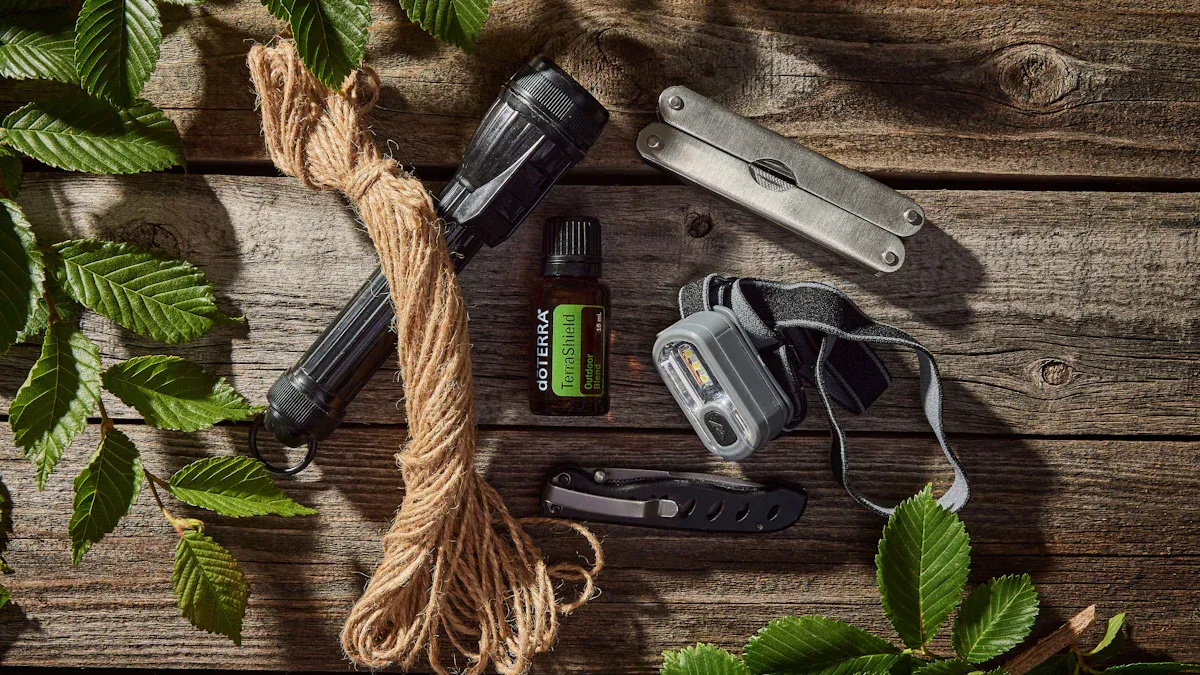
Modern headlamps offer advanced features. These features significantly enhance user experience and safety. They move beyond basic illumination. These innovations provide greater convenience, efficiency, and adaptability in diverse outdoor environments.
Reactive Lighting Technology Explained
Reactive lighting technology represents a significant advancement in headlamp design. This system automatically adjusts light output. It uses sensors to detect ambient light and the user’s proximity to objects. This ensures the headlamp provides the right amount of light for different distances. It proves useful for hands-free activities like climbing or caving. This technology also offers convenience for tasks such as setting up camp or reading a map. It eliminates the need for manual brightness adjustments. This is especially beneficial when users wear gloves. Reactive lighting also maximizes battery life. It continuously adjusts light output, using only necessary light. This results in significant power savings and extended battery life. It also reduces glare when checking a map.
However, reactive lighting has some drawbacks. Sensor sensitivity can lead to flickering or a reduction in beam strength. This can be annoying for users. Potential issues arise in rain, where glare can cause the beam to reduce. A slight delay in adjustment can occur when users move very fast.
USB-C Charging Capabilities
USB-C charging offers significant advantages for headlamps. It provides universality. The same cable can charge phones, tablets, laptops, and other devices. This eliminates the need for multiple adapters. This ubiquity simplifies the user experience. It also improves field reliability. USB-C integrates safer electronics and smarter power management. This is particularly true for lithium-ion and lithium-polymer cells. It ensures proper charging algorithms, temperature monitoring, and protection against issues like over-charge or short circuits. The design allows flexibility. Charging ports can be directly on the headlamp body or on the battery itself. This makes recharging as natural as plugging in a phone. USB-C charging capabilities provide fast and convenient recharging. This feature, combined with built-in rechargeable batteries, reduces waste from disposable batteries. It also offers long-lasting performance.
Power Bank Functionality
Some advanced headlamps include power bank functionality. This feature allows the headlamp to charge other small electronic devices. Users can connect smartphones, GPS devices, or other USB-powered gadgets to the headlamp. This provides a crucial power source in remote locations. It eliminates the need for a separate power bank. This reduces gear weight and complexity. This functionality proves invaluable during multi-day trips or emergencies. It ensures essential devices remain powered.
Lockout Mode for Accidental Activation
Lockout mode is a crucial advanced feature in many multifunctional outdoor headlamps. This mode significantly enhances security. It prevents accidental activation when users transport or store the headlamp. Accidental activation can drain the battery. It can also unexpectedly blind someone. Headlamp manufacturers design lockout mode to eliminate this risk.
- Lockout mode generally prevents accidental activation.
- It eliminates the risk of accidental activation when the headlamp is in storage.
- A 1-second lockout delay on the power switch is often implemented to prevent unintended activation.
This feature ensures the headlamp remains off until intentionally activated. Users can confidently pack their headlamps without worrying about battery depletion. This also prevents accidental blinding of others in a dark tent or backpack. The lockout mechanism often involves a specific button sequence or a prolonged press. This makes accidental activation highly unlikely. This simple yet effective feature contributes significantly to a headlamp’s reliability and user convenience.
Accurate Battery Level Indicators
Accurate battery level indicators are essential for any reliable outdoor headlamp. These indicators provide users with critical information about remaining power. This allows them to manage their headlamp’s usage effectively. It also helps them avoid unexpected power loss during critical moments.
Headlamps often feature various types of battery indicators. Some models use simple LED lights. These lights change color or flash to indicate different power levels. For example, a green light might mean full charge, while a red light signals low battery. More advanced headlamps incorporate digital displays. These displays show a precise percentage of battery life remaining. This offers a more detailed and accurate assessment.
Knowing the exact battery status helps users plan their activities. They can decide whether to conserve power or use higher brightness settings. This feature is particularly valuable during multi-day trips or in remote areas. It ensures users always have sufficient light for their needs. Reliable battery indicators enhance safety and confidence in any outdoor environment.
Making an informed decision for your next outdoor headlamp purchase is essential. Prioritize features that align with specific outdoor activities. This ensures optimal performance and reliability. The Best Multifunctional Outdoor Headlamps offer enhanced safety and enjoyment. They provide dependable illumination for every adventure. Invest wisely in a headlamp that meets your unique needs.
FAQ
What is the ideal lumen range for a general-purpose headlamp?
For general outdoor activities like camping or hiking, a headlamp with 100 to 300 lumens provides sufficient illumination. This range balances brightness with battery efficiency. Higher lumens are necessary for demanding tasks like trail running or navigating complex terrain.
How important is water resistance for outdoor headlamps?
Water resistance is crucial for outdoor headlamps. An IPX4 rating protects against splashes and light rain. For activities in heavy rain or near water, an IPX7 or IPX8 rating ensures the headlamp withstands submersion. This protects the device and ensures reliability.
Can I use a headlamp with reactive lighting in all conditions?
Reactive lighting technology works well in most conditions. It automatically adjusts brightness, optimizing visibility and battery life. However, very fast movements or heavy rain can sometimes cause minor delays or beam reduction. Users should understand these limitations.
Why do some headlamps have a red light mode?
Red light mode preserves night vision. It does not cause pupils to constrict as much as white light. This allows eyes to adapt to darkness faster. Red light also attracts fewer insects and minimizes disturbance to wildlife and other campers.
Post time: Jul-14-2026


