 fannie@nbtorch.com
 +0086-0574-28909873



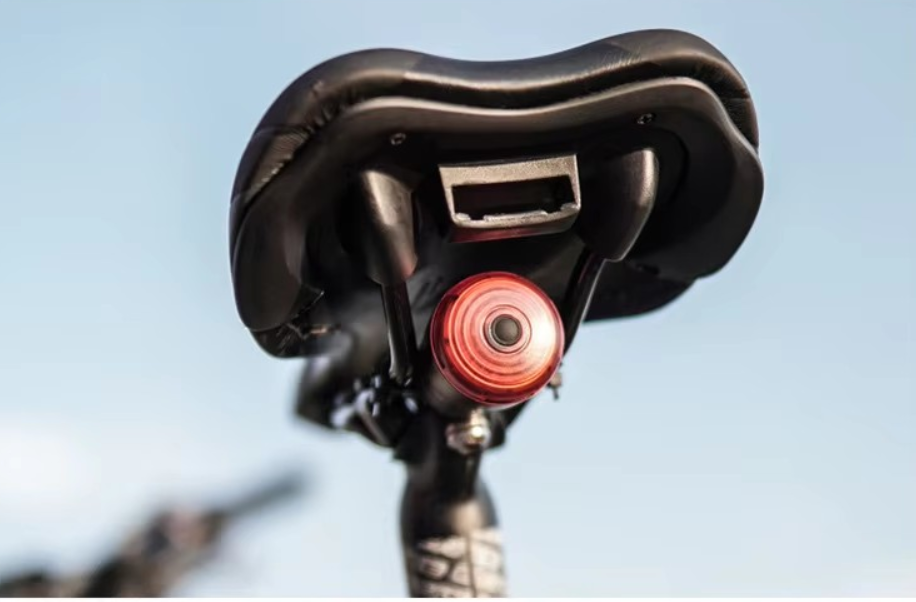
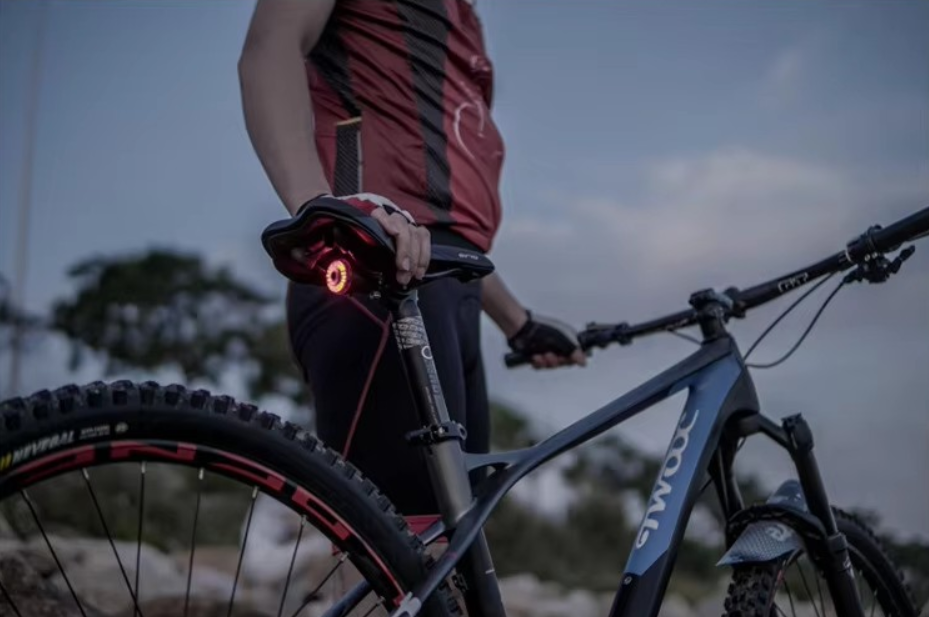
MT Outdoor Light plays a crucial role in enhancing brand competitiveness within the bicycle light market, particularly with the introduction of innovative products like the work headlamp. With the global bicycle lights market valued at $290 million in 2021 and projected to grow to $317 million by 2030 at a CAGR of 8.0%, brands face both challenges and opportunities. Innovations have significantly shaped this market. For instance, advancements in LED technology have led to energy-saving options that appeal to environmentally conscious consumers. Additionally, the rise of e-bikes has increased demand for compatible lighting systems, including safety headlamps and OEM headlamps, as well as hands-free lighting solutions that enhance the riding experience.
Key Takeaways
- The global bicycle light market is growing rapidly, projected to reach $317 million by 2030, creating opportunities for brands.
- Innovations in LED technology lead to energy-efficient lighting options that appeal to eco-conscious consumers.
- Safety and visibility are top priorities for consumers, driving demand for high-quality bicycle lights.
- Urbanization and cycling infrastructure investments increase the need for reliable lighting solutions for cyclists.
- Electric bicycle lights dominate the market, accounting for about 70% of sales due to their superior performance.
- Smart features in bicycle lights enhance user experience, making them more appealing to tech-savvy consumers.
- Brands should focus on compliance with safety regulations to build consumer trust and enhance market position.
- Partnering with MT Outdoor Light can help brands leverage innovative products and stay competitive in the evolving market.
Market Size and Growth Trends
Current Market Overview
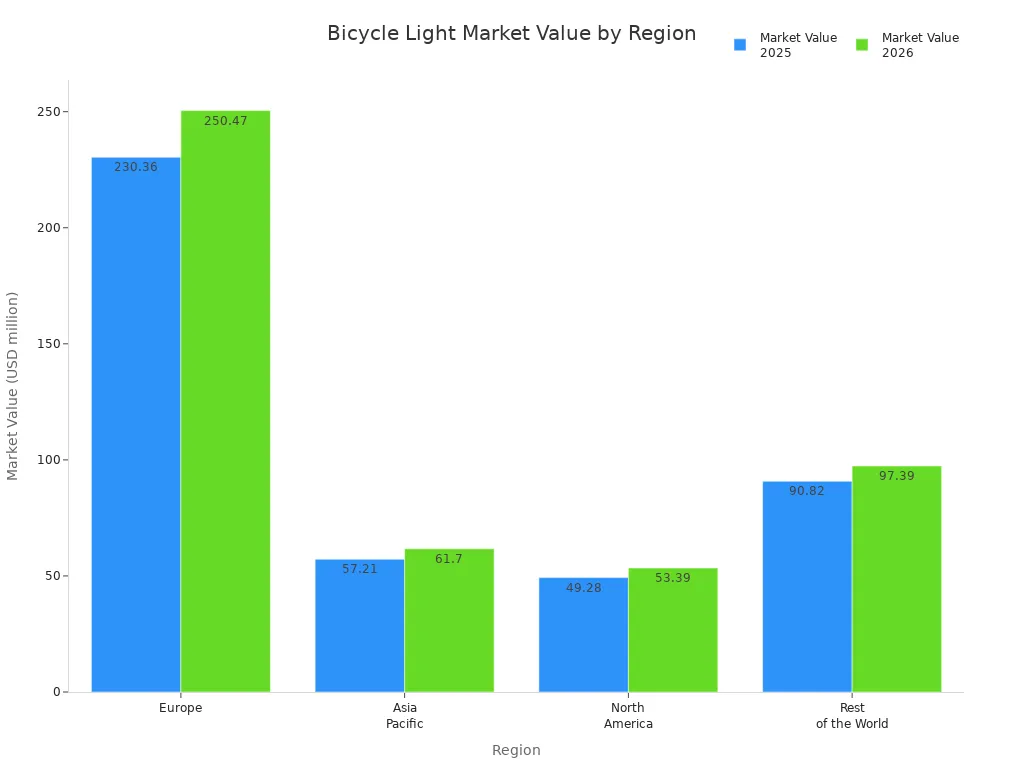
The bicycle light market has experienced significant growth in recent years, driven by increasing consumer awareness regarding safety and visibility. As of 2025, the market value across various regions reflects this trend:
| Region | Market Value (2025) | Projected Market Value (2026) | Market Share (%) |
|---|---|---|---|
| Europe | USD 230.36 million | USD 250.47 million | 53.86% |
| Asia Pacific | USD 57.21 million | USD 61.7 million | 13.38% |
| North America | USD 49.28 million | USD 53.39 million | 11.52% |
| Rest of the World | USD 90.82 million | USD 97.39 million | 21.24% |
Countries such as Japan, North America, and Europe lead in bicycle light sales. Factors contributing to this dominance include the rising popularity of cycling, urbanization, and a heightened focus on road safety. In Japan, advancements in smart technology and sustainability trends significantly influence market dynamics. Meanwhile, North America and Europe see demand driven by eco-friendly transportation initiatives and stringent safety regulations.
Growth Projections
The bicycle light market is poised for robust growth in the coming years. Projections indicate that the market will expand from a valuation of US$ 453.0 million in 2026 to US$ 855.1 million by 2033, reflecting a CAGR of 9.5% during this period. This growth trajectory underscores the increasing importance of bicycle lights as essential safety accessories for cyclists.
Key Market Drivers
Several factors are propelling the growth of the bicycle light market:
- Growing popularity of cycling as a sustainable mode of transportation.
- Rising awareness regarding bicycle safety, prompting consumers to invest in quality lighting solutions.
- Advancements in battery technology and LED lighting, enhancing product performance and longevity.
- Government initiatives promoting cycling and related safety measures, including regulations mandating the use of lights.
Additionally, urbanization plays a crucial role in shaping market demand. Increased investment in cycling infrastructure leads to a greater need for bicycle lights, ensuring safety and visibility for cyclists. Post-pandemic shifts in consumer behavior also reveal a growing preference for cycling, further driving the adoption of bicycle lights.
| Driving Factors | Hindering Factors |
|---|---|
| Growing popularity of cycling | High product costs |
| Technological advancements in LED lighting | Battery life concerns |
| Sustainability trends | Supply chain issues |
| Government regulations | |
| Smart technology integration |
As the market evolves, brands must remain agile and responsive to these dynamics to capitalize on emerging opportunities.
Key Dynamics Influencing the Market
Consumer Preferences
Consumer preferences significantly shape the design and features of modern bicycle lights. Safety and visibility remain paramount, especially for daily commuters. Surveys indicate that consumers prioritize safety, emphasizing the need for headlights with compliant cut-off beams to avoid blinding other road users. Brightness also plays a crucial role, as it directly impacts visibility in traffic, enhancing overall safety.
The following table outlines key consumer preferences and their corresponding features:
| Consumer Preference | Feature Description |
|---|---|
| Durability | Robust construction with anodized metal finishes and high IP ratings for resistance. |
| User Experience | Easy installation with intuitive controls and magnetic mounts for quick attachment. |
| Charging Convenience | USB-rechargeable options with integrated USB-A or USB-C contacts for ease of use. |
| High-Lumen Output | Emphasis on bright lights for safety and visibility. |
| Smart Features | Integration of advanced technology like cameras and app control. |
| Versatility | Compact designs suitable for various mounting options and multi-functional use. |
| Customization Options | Unique aesthetic enhancements available for personalization. |
These features reflect a growing demand for bicycle lights that not only enhance safety but also improve user experience. As brands innovate, they must consider these preferences to remain competitive.
Regulatory Factors
Regulatory factors also play a critical role in shaping the bicycle light market. Compliance with safety standards ensures that products meet minimum safety requirements, which is essential for consumer trust. The following table summarizes significant regulatory factors affecting the market:
| Regulatory Factor | Impact on Market |
|---|---|
| Safety Standards | Ensures products meet minimum safety requirements. |
| Environmental Regulations | Addresses ecological concerns and sustainability. |
| Product Certifications | Validates product quality and compliance with norms. |
| Non-compliance Consequences | Can lead to recalls, legal penalties, and reputational damage. |
Different regions impose varying safety standards. For instance, the European Union mandates compliance with multiple directives for bicycle lights, including CE marking and risk assessment reports. In contrast, the United States follows ISO 6742, which outlines safety requirements for bicycle lighting devices, detailing aspects such as installation, use, and performance.
These regulatory frameworks not only protect consumers but also drive innovation within the industry. Brands that prioritize compliance can enhance their market position and build consumer confidence.
The Role of Technology
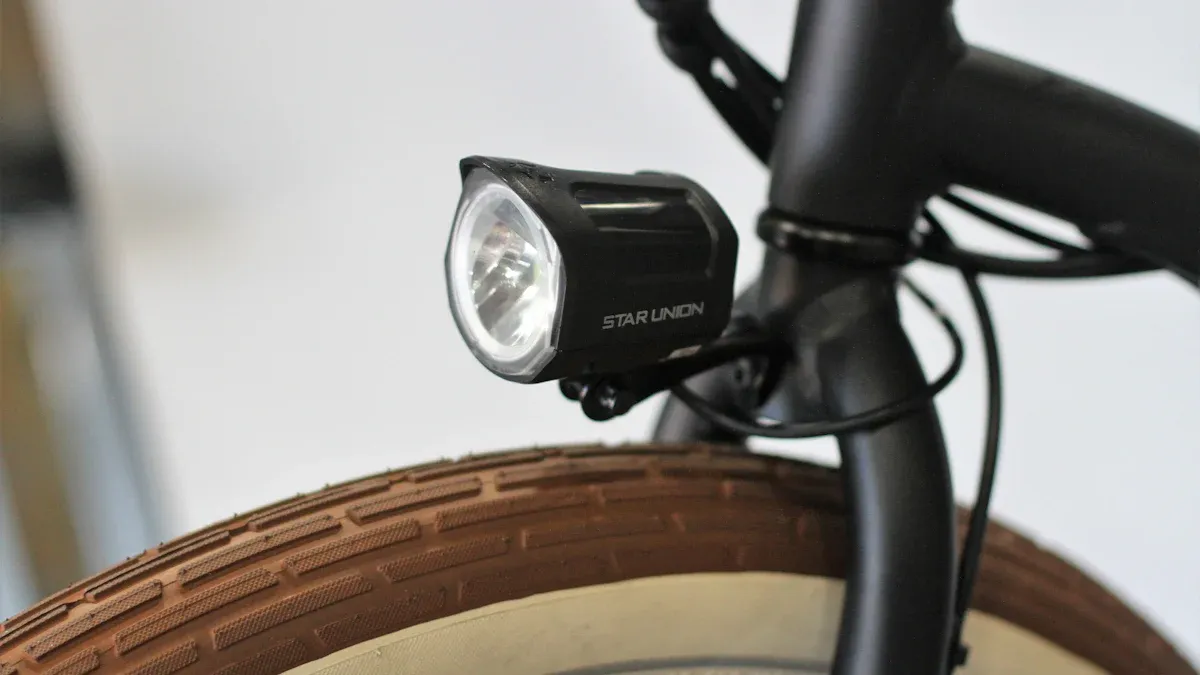
Electric vs. Conventional Lights
Advantages of Electric Lights
Electric bicycle lights have gained significant traction in recent years, primarily due to their numerous advantages over conventional lights. These benefits include:
- Enhanced Brightness: Electric lights typically offer higher lumen outputs, providing better visibility in low-light conditions.
- Energy Efficiency: LED technology allows electric lights to consume less power while delivering superior illumination.
- Longer Lifespan: Electric lights often last longer than traditional incandescent bulbs, reducing the need for frequent replacements.
- Versatility: Many electric lights come with adjustable brightness settings and various mounting options, catering to diverse user needs.
These advantages contribute to the growing preference for electric lights among cyclists, particularly those who ride in urban environments where visibility is crucial.
Market Adoption Rates
The adoption of electric lights has surged, with market analysts reporting a steady increase in sales. As of 2023, electric lights account for approximately 70% of the total bicycle light market. This trend reflects a shift in consumer preferences towards more efficient and reliable lighting solutions. The rise of e-bikes has further accelerated this adoption, as many e-bike models come equipped with integrated electric lighting systems.
Innovations in Lighting Technology
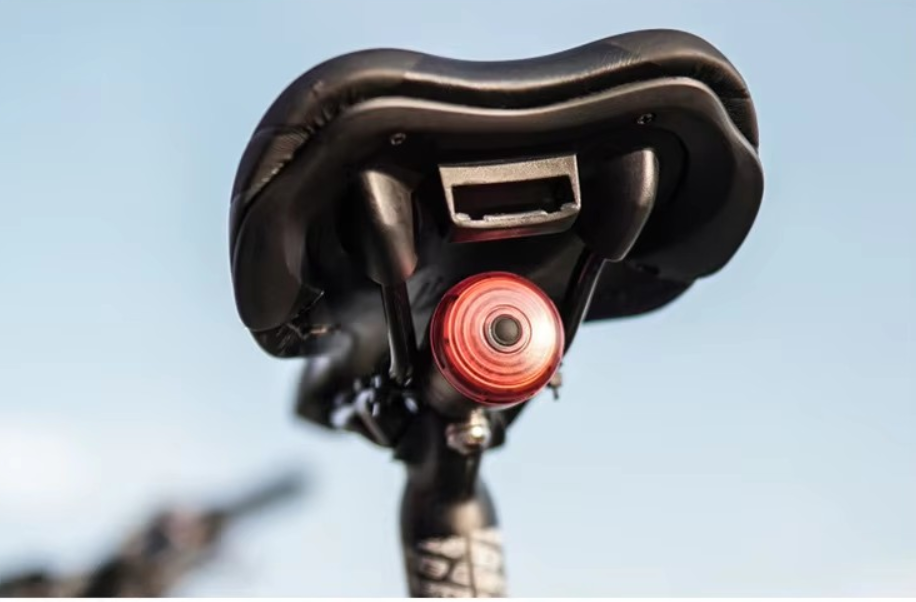
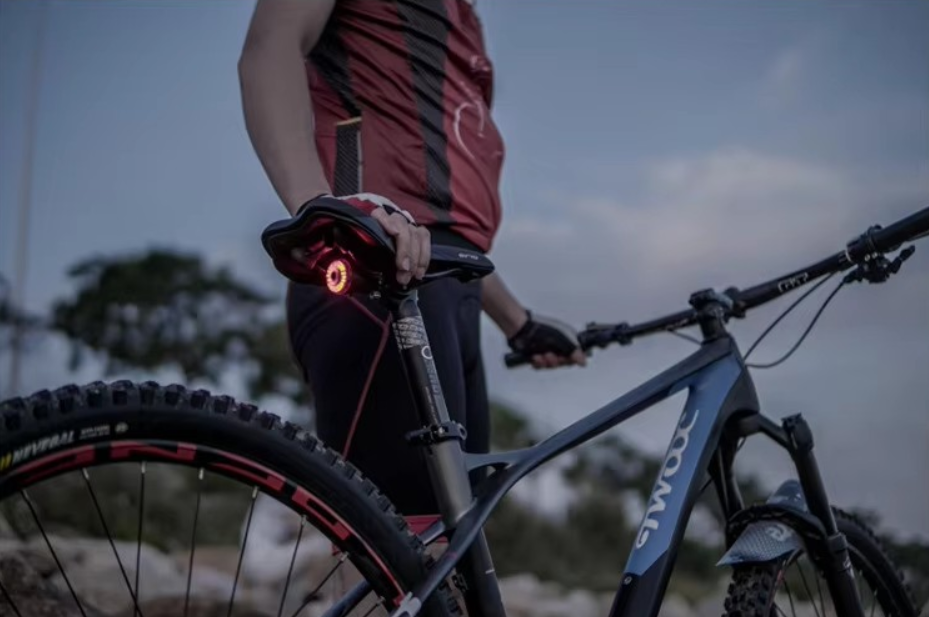
Smart Features
Recent innovations in bicycle lighting technology have introduced smart features that enhance user experience and safety. These advancements include:
- AI-powered adaptive lighting: This technology analyzes real-time data to optimize illumination based on environmental factors, such as ambient light and speed.
- Integration of smart technologies: Features like voice control and connectivity with wearable devices allow cyclists to manage their lights hands-free.
- Multifunctional lights: Some products combine illumination with GPS tracking, health monitoring, and obstacle detection, providing cyclists with a comprehensive safety solution.
These smart features not only improve safety but also cater to the tech-savvy consumer, making bicycle lights more appealing.
Battery Life Improvements
Battery life remains a critical factor in the performance of bicycle lights. Recent advancements have led to significant improvements in battery technology. Manufacturers now offer lights with longer-lasting batteries, reducing the frequency of recharging. Innovations such as solar-powered lights are also emerging, promoting sustainability and convenience.
The following table summarizes some of the latest innovations in bicycle lighting technology introduced in the past two years:
| Innovation Type | Description |
|---|---|
| AI-powered adaptive lighting | Provides real-time data analysis and optimizes illumination based on environmental factors. |
| Integration of smart technologies | Features like voice control and connectivity with wearable devices enhance user experience. |
| Multifunctional lights | Combine illumination with GPS tracking, health monitoring, and obstacle detection. |
| Renewable energy sources | Exploration of solar-powered lights to enhance sustainability. |
| 3D printing and modular designs | Enable customization and rapid prototyping, fostering innovation within the industry. |
As technology continues to evolve, brands must stay ahead of these trends to remain competitive in the bicycle light market.
Competitive Landscape
Major Players in the Market
Brand Positioning
The bicycle light market features several key players that shape its dynamics. Notable brands include:
- Exposure Lights
- Serfas
- Giant Manufacturing
These companies have established strong brand identities through quality products and innovative features. Their positioning strategies focus on safety, performance, and user experience, which resonate well with consumers.
Market Share Analysis
Market share analysis reveals that these major players dominate the landscape. Their combined efforts in product development and marketing have allowed them to capture significant portions of the market. As competition intensifies, these brands must continuously adapt to maintain their positions.
Strategies for Competing
Differentiation Tactics
To stand out in a crowded market, bicycle light brands employ various strategies. The following table summarizes key tactics used by top brands:
| Strategy | Description |
|---|---|
| Product Quality | Focus on high lumen output, wide beam angles, and robust construction materials for safety. |
| Technological Advancements | Incorporation of smart connectivity, automatic light sensing, and USB-rechargeability features. |
| Brand Reputation | Leveraging peer reviews and online ratings to validate product quality and performance. |
| Supply Chain Management | Optimizing direct-to-consumer sales channels and enhancing digital marketing strategies. |
| Sustainability | Investment in sustainable materials and energy-efficient power sources to reduce environmental impact. |
These differentiation tactics enable brands to appeal to specific consumer segments, enhancing their competitive edge.
Collaboration Opportunities
Bicycle light brands are increasingly leveraging collaboration and partnership strategies to enhance their market reach. Industry leaders focus on forming strategic alliances and optimizing their distribution channels, which are essential for long-term growth. This collaborative approach enables companies to seize new opportunities and maintain a competitive edge in a fast-changing market. By working together, brands can share resources, knowledge, and technology, ultimately benefiting consumers with better products.
As the bicycle light market continues to evolve, brands must remain vigilant and proactive in their strategies. Embracing innovation, prioritizing quality, and fostering collaborations will be crucial for success in this competitive landscape.
The Impact of Headlamps on the Market
Popularity of Headlamps
Headlamps have gained significant traction within the cycling community, driven by several demographic and usage trends. A younger, health-conscious demographic increasingly embraces cycling as a sustainable mode of transportation. This shift is particularly evident in urban areas where bike commuting is on the rise. Cities with supportive cycling infrastructure enhance the need for reliable lighting solutions, making headlamps an attractive option for cyclists.
Key factors contributing to the popularity of headlamps include:
- Health Awareness: Younger cyclists prioritize fitness and outdoor activities, leading to increased headlamp adoption.
- Urban Cycling Growth: As urbanization continues, more individuals turn to cycling for commuting, necessitating effective lighting.
- Technological Advancements: Innovations in LED technology and rechargeable batteries make headlamps more appealing and user-friendly.
- Cultural Influences: In regions like Europe, strong cycling cultures and safety regulations drive demand for headlamps among both recreational cyclists and commuters.
- Emerging Markets: The Asia-Pacific region experiences growth due to a burgeoning middle class interested in fitness, while Latin America sees a younger demographic adopting cycling for leisure and commuting.
Headlamp Technology Advancements
Recent advancements in headlamp technology have significantly improved performance and usability. These innovations cater to the evolving needs of cyclists, enhancing safety and convenience. The following table outlines some of the key features that have emerged in modern headlamps:
| Feature | Description |
|---|---|
| Waterproofing | Ensures reliable performance in various weather conditions. |
| Multiple lighting modes | Includes options like flashing, SOS signals, and steady beams for adaptability. |
| USB charging | Provides convenience by allowing easy recharging without disposable batteries. |
| Safety compliance | Meets local regulations for brightness and beam patterns, enhancing legal usability. |
| Durability | Constructed with robust materials for impact and scratch resistance, ensuring longevity. |
| Adjustable brightness | Allows customization of light intensity based on riding conditions. |
| Easy installation | Quick mounting options without special tools for user convenience. |
| Lightweight design | Reduces bulk and strain during rides, enhancing overall user experience. |
| Warranty | Many models come with warranties, reflecting manufacturer confidence in product quality. |
In terms of performance, new headlamp technologies excel in brightness, battery life, and durability. For instance, many headlamps now offer a maximum light output of 500 lumens, powered by rechargeable lithium polymer batteries. These advancements ensure that cyclists enjoy enhanced visibility and longer usage times. Durability is also a key consideration, with materials like aircraft-grade aluminum providing robust protection against the elements.
Overall, the integration of these technological advancements positions headlamps as essential tools for cyclists, enhancing safety and usability in various riding conditions.
The bicycle light market is evolving rapidly, driven by technological advancements and changing consumer preferences. Key takeaways include the integration of smart lighting, the rise of rechargeable and solar-powered options, and the influence of urban commuting trends. These factors shape product innovation and demand.
MT Outdoor Light offers strategic advantages by leveraging innovations in LED technology. Their focus on durability, energy efficiency, and smart features aligns with consumer expectations. As the market shifts towards high-performance lighting solutions, brands should consider partnering with MT Outdoor Light to enhance their competitiveness and meet the growing demand for advanced bicycle lights.
Brands must act now to leverage MT Outdoor Light’s offerings and stay ahead in this dynamic market.
FAQ
What are the main benefits of using bicycle lights?
Bicycle lights enhance visibility and safety during rides, especially in low-light conditions. They help cyclists be seen by others, reducing the risk of accidents.
How do electric bicycle lights compare to conventional lights?
Electric bicycle lights offer higher brightness, energy efficiency, and longer lifespans compared to conventional lights. They are increasingly preferred for their performance and convenience.
What features should cyclists look for in a bicycle light?
Cyclists should prioritize durability, brightness, ease of installation, and battery life. Smart features like USB charging and adjustable brightness also enhance usability.
Are there specific regulations for bicycle lights?
Yes, regulations vary by region. Many areas require compliance with safety standards, ensuring lights meet minimum brightness and performance criteria for road use.
How can brands leverage MT Outdoor Light’s offerings?
Brands can partner with MT Outdoor Light to access innovative lighting solutions, improve product quality, and enhance competitiveness in the growing bicycle light market.
What trends are shaping the bicycle light market?
Key trends include the rise of electric lights, smart technology integration, and increasing consumer demand for sustainable and high-performance lighting solutions.
How important is battery life in bicycle lights?
Battery life is crucial for convenience and reliability. Longer-lasting batteries reduce the frequency of recharging, ensuring cyclists have dependable lighting during rides.
What role do headlamps play in the bicycle light market?
Headlamps have gained popularity among cyclists for their versatility and hands-free operation. They provide effective lighting for both commuting and recreational cycling.
Post time: Apr-03-2026


