 fannie@nbtorch.com
 +0086-0574-28909873



Customized headlamp solutions play a crucial role for B2B clients. These tailored work headlamp products meet specific requirements across various industries, ensuring that businesses have the right tools for their unique challenges. By providing solutions like the OEM headlamp, companies can enhance their operational efficiency. Moreover, features such as hands-free lighting and safety headlamps improve productivity and safety in demanding environments.
Key Takeaways
- Customized headlamps enhance safety and productivity for B2B clients across various industries.
- Industrial headlamps offer robust designs and adjustable brightness for improved visibility in challenging environments.
- Recreational headlamps prioritize durability and comfort, making them ideal for outdoor enthusiasts.
- Specialty headlamps cater to niche applications, ensuring professionals have reliable lighting for critical tasks.
- Investing in high-quality headlamps can lead to long-term savings through reduced accidents and improved efficiency.
- Durability and weather resistance are essential features for headlamps used in harsh conditions.
- Understanding client needs is crucial for manufacturers to create effective customized headlamp solutions.
- Sustainability trends in headlamp manufacturing appeal to environmentally conscious clients and promote eco-friendly practices.
Types of Customized Headlamps
Industrial Headlamps
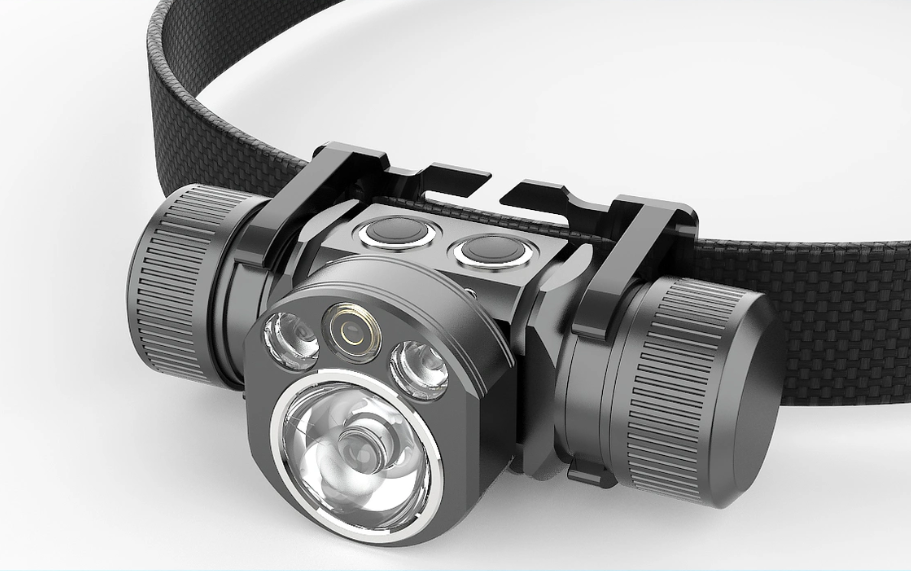
Industrial headlamps serve a vital role in sectors such as construction and mining. These headlamps often feature robust designs that withstand harsh conditions. They typically include high-lumen outputs for maximum visibility in dimly lit environments. Additionally, many industrial headlamps come equipped with adjustable brightness settings, allowing users to tailor the light intensity to their specific tasks. This adaptability enhances safety and efficiency on job sites.
Recreational Headlamps
Recreational headlamps cater to outdoor enthusiasts and B2B clients in the camping and adventure sectors. Buyers prioritize durable and innovative headlamps that utilize advanced LED technology for brightness and energy efficiency. Key features include:
- Impact-resistant plastics and weatherproof designs for product longevity.
- Long battery life and soft, diffused illumination to create a comfortable camping environment.
- Ergonomic head-straps that enhance user comfort during extended use.
These headlamps often target the ‘Prosumer’ market, which demands professional specifications for personal use. The design focuses on creating an atmospheric and safe environment for family camping and outdoor events.
Specialty Headlamps
Specialty headlamps address niche applications, such as medical or hazardous environments. These headlamps are engineered to meet specific industry requirements. For instance, surgical headlamps are essential in hospitals and surgical centers, providing focused illumination for medical professionals. Below is a table highlighting examples of specialty headlamps:
| Product Name | Application Areas |
|---|---|
| Surgical Headlamp | Hospitals, surgical centers, outpatient surgical clinics, field medicine, dental and dermatological practices |
| Ledlenser H15R Work Headlamp | Hazardous locations and tough environments, suitable for various professional applications |
These specialized headlamps ensure that professionals in critical fields have the reliable lighting solutions they need to perform their tasks safely and effectively.
Key Industrial Applications of Headlamps
Construction and Mining
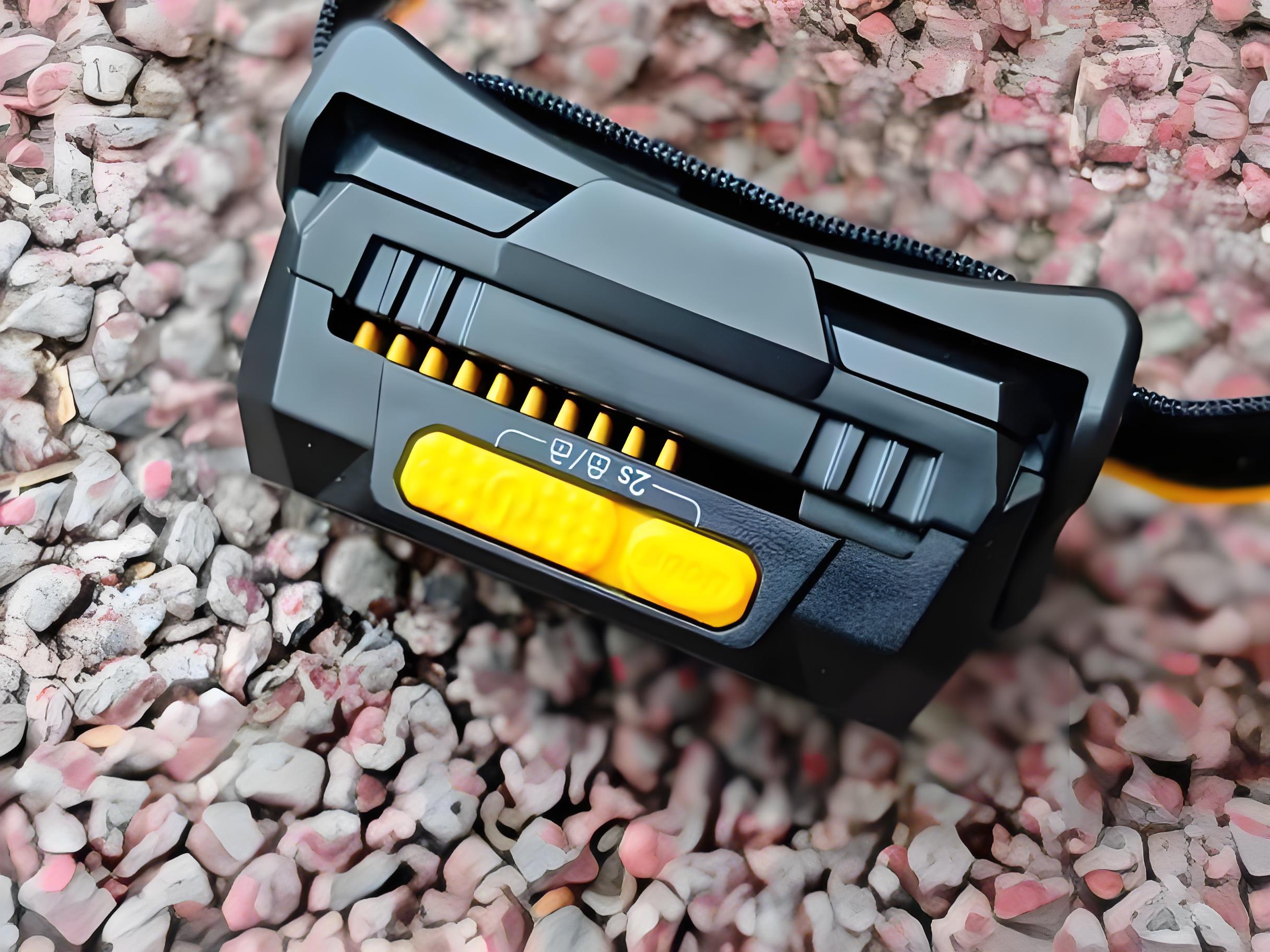
In construction and mining, headlamps are essential tools that enhance safety and productivity. Workers often operate in low-light conditions, making reliable lighting crucial. Customized headlamps significantly reduce the risk of accidents by improving visibility. The following table outlines the key benefits of using headlamps in these industries:
| Benefit Type | Description |
|---|---|
| Reduction of Accidents | Headlamps significantly lower the risk of trips, slips, and falls by improving visibility in low-light conditions. |
| Enhanced Task Accuracy | Adjustable brightness settings help workers focus better, leading to higher accuracy and fewer mistakes. |
| Improved Emergency Response | Focused lighting aids in quicker reactions during emergencies, potentially saving lives. |
| Hands-Free Operation | Allows workers to use both hands for tasks, increasing efficiency and safety. |
| Facilitation of Communication | Headlamps can be used for signaling, enhancing non-verbal communication on job sites. |
These features make headlamps indispensable in construction and mining operations, where safety and efficiency are paramount.
Emergency Services
Emergency services rely heavily on headlamps for effective operations in critical situations. Firefighters, paramedics, and rescue teams often work in dark or hazardous environments. The hands-free capability of headlamps allows responders to carry out tasks while maintaining visibility. Additionally, the adjustable light settings enable them to adapt to various scenarios, from illuminating a dark room to signaling for help.
Headlamps designed for emergency services often include features such as:
- High-intensity beams for long-range visibility.
- Strobe functions for signaling distress.
- Durable, weather-resistant materials to withstand harsh conditions.
These attributes ensure that emergency personnel can perform their duties safely and efficiently, even in the most challenging circumstances.
Outdoor and Adventure
In the outdoor and adventure sectors, headlamps serve a different yet equally important purpose. They cater to enthusiasts who require reliable lighting for activities such as hiking, camping, and climbing. The unique requirements for headlamps in these applications include:
| Requirement | Description |
|---|---|
| Battery life and type | Consider the duration of use and preference for rechargeable or replaceable batteries. |
| Water resistance | Headlamps must be water-resistant to endure outdoor conditions. |
| Robustness | They should be built to withstand harsh environments and impacts. |
| Light modes and settings | Different modes like near light, far light, dimming, and SOS are essential for varying conditions. |
These features ensure that outdoor enthusiasts have the necessary tools to navigate safely and enjoy their adventures.
Common Client Pain Points with Headlamp Solutions
Inadequate Lighting Solutions
Many B2B clients report inadequate lighting as a significant pain point with existing headlamp solutions. Standard headlamps often fail to provide sufficient illumination for demanding environments. This shortcoming can lead to several issues:
- Inappropriate lighting lowers employee performance and causes health and safety problems.
- Inadequate lighting is related to visual discomfort and physiological strain, which reduces efficiency.
- Poor lighting conditions among industrial workers can result in low productivity, leading to higher production costs for employers.
Statistics reveal that poor lighting is linked to a 60% increase in workplace accidents. In contrast, sites that upgraded their lighting experienced a 30% drop in incidents and a 20% boost in efficiency. Thoughtful lighting design can directly influence employee performance, mood, and well-being. Therefore, businesses must prioritize headlamp solutions that offer adequate brightness and adaptability to enhance safety and productivity.
Durability Concerns
Durability remains a critical concern for clients seeking headlamp solutions. Many industries operate in harsh environments where equipment must withstand extreme conditions. Clients often express frustration with headlamps that fail to meet these durability standards. Common issues include:
- Fragile materials that break easily under stress.
- Insufficient weather resistance, leading to malfunction in rain or snow.
- Short battery life that fails to support extended use.
To address these concerns, manufacturers must focus on using high-quality materials and robust designs. Clients expect headlamps to endure rigorous use without compromising performance. A durable headlamp not only enhances safety but also reduces replacement costs over time.
Cost-Effectiveness
Cost-effectiveness is another significant pain point for B2B clients. Many businesses operate under tight budgets and seek headlamp solutions that deliver value without sacrificing quality. Clients often face challenges such as:
| Pain Point Description |
|---|
| Fragmentation across languages and regulations |
| Slower procurement cycles |
| Localization complexity |
| Price sensitivity |
| Political/regulatory unpredictability |
| Currency instability |
| Long receivable cycles |
| Fragmented logistics |
| Political instability |
| Infrastructure gaps |
| Complex import regimes |
Clients need headlamp solutions that balance initial costs with long-term benefits. Investing in high-quality, customized headlamps may seem expensive upfront, but the return on investment becomes evident through enhanced safety, reduced accidents, and improved productivity.
Material Selection for Headlamp Manufacturing
Lightweight Materials
Manufacturers prioritize lightweight materials in headlamp production to enhance user comfort and usability. Lightweight designs reduce fatigue during extended use, making them ideal for professionals who rely on headlamps for long hours. Common materials include:
- Aluminum: Known for its strength-to-weight ratio, aluminum provides durability without adding bulk.
- Polycarbonate: This plastic is lightweight and impact-resistant, making it suitable for rugged environments.
Using these materials allows manufacturers to create headlamps that are easy to wear while maintaining structural integrity.
Weather-Resistant Options
Weather resistance is crucial for headlamps used in extreme conditions. Industries such as construction and emergency services require reliable lighting solutions that can withstand harsh environments. Manufacturers often choose materials based on their ability to resist various elements. Preferred options include:
- High impact non-corroding ABS plastic: This material offers excellent chemical resistance, ensuring longevity in challenging conditions.
- Waterproofing: Headlamps designed for wet conditions must be completely waterproof to prevent malfunction.
- Temperature resilience: The ability to withstand extreme temperatures is vital for performance and safety.
These weather-resistant features ensure that headlamps function effectively, regardless of environmental challenges.
Sustainable Materials
Sustainability has become a significant consideration in headlamp manufacturing. Companies increasingly seek eco-friendly materials to reduce their environmental impact. Sustainable options include:
- Recycled plastics: Utilizing recycled materials helps minimize waste and promotes a circular economy.
- Biodegradable components: Some manufacturers explore biodegradable materials that break down naturally, reducing landfill contributions.
By adopting sustainable practices, manufacturers not only meet regulatory requirements but also appeal to environmentally conscious clients.
Manufacturing Processes for Customized Headlamps
Custom Design Techniques
Manufacturers employ various custom design techniques to create headlamps tailored to specific client needs. The process begins with understanding the unique requirements of each industry. Designers utilize advanced software for thermal and optical simulations, ensuring optimal performance. Prototyping plays a crucial role, allowing clients to test designs before mass production. This iterative approach helps refine features such as brightness levels, battery life, and ergonomic fit.
Quality Control Measures
Quality control is vital in the manufacturing of customized headlamps. Manufacturers implement several measures to ensure reliability and performance. Key steps include:
- Raw material inspection: Ensures that all materials meet industry standards before production begins.
- Semi-finished inspection: Checks components during the assembly process to identify any defects early.
- Finished-product aging inspection: Tests headlamps under various conditions to assess durability and functionality.
- Full inspection before leaving the warehouse: Guarantees that only products meeting quality standards reach clients.
These rigorous quality control measures help maintain high standards and build trust with B2B clients.
Scalability in Production
Scalability is essential for meeting the demands of large B2B orders. Manufacturers focus on several capabilities to ensure they can scale production effectively. The following table outlines key aspects of scalability in headlamp production:
| Capability | Description |
|---|---|
| Design-to-production | Involves ideation, thermal/optical simulation, prototyping, and volume manufacturing |
| Material variety | Offers multiple LED chip models, polycarbonate or glass lenses, alloy housings, and optional RGB accents |
| Production scale | Employs 200+ technicians and three automated production lines to meet large order demands |
By investing in these capabilities, manufacturers can efficiently produce customized headlamps that meet the varying needs of their clients.
Pricing Analysis of Customized Headlamp Solutions
Factors Influencing Cost
Several factors influence the cost of customized headlamp solutions. Understanding these elements helps businesses make informed purchasing decisions. Key factors include:
- Material Quality: The choice of materials significantly impacts the overall cost. High-quality, durable materials often come at a premium but provide better performance and longevity.
- Design Complexity: Customized designs that require advanced engineering or unique features typically incur higher costs. Simple designs may be more affordable but might not meet specific client needs.
- Production Volume: Bulk orders often lead to reduced per-unit costs. Manufacturers may offer discounts for larger quantities, making it more economical for businesses to invest in customized solutions.
- Technology Integration: Incorporating advanced technologies, such as smart features or enhanced LED systems, can increase costs. However, these innovations often provide greater value through improved functionality.
- Regulatory Compliance: Meeting industry-specific regulations can add to production costs. Manufacturers must ensure that headlamps comply with safety standards, which may require additional testing and certification.
Value vs. Price
When evaluating customized headlamp solutions, businesses must consider the distinction between value and price. While price reflects the immediate cost of a product, value encompasses the long-term benefits and return on investment.
- Long-Term Savings: Investing in high-quality headlamps may result in lower replacement costs and reduced accidents. Enhanced safety features can lead to fewer workplace incidents, ultimately saving money.
- Increased Productivity: Customized headlamps designed for specific tasks can improve efficiency. Workers equipped with the right tools perform better, leading to higher output and profitability.
- Brand Reputation: Companies that prioritize quality and safety enhance their reputation. Satisfied employees and clients contribute to positive word-of-mouth, which can drive future business.
Businesses should assess the total cost of ownership rather than focusing solely on the initial price. This approach ensures they invest in solutions that deliver true value over time.
Budgeting for Custom Solutions
Budgeting for customized headlamp solutions requires careful planning. Businesses should consider the following steps:
- Assess Needs: Identify specific lighting requirements based on industry and application. Understanding these needs helps determine the necessary features and specifications.
- Research Options: Explore various manufacturers and their offerings. Comparing different solutions allows businesses to find the best fit for their budget and requirements.
- Calculate Total Costs: Consider not only the purchase price but also potential maintenance, replacement, and operational costs. This comprehensive view aids in making informed financial decisions.
- Allocate Resources: Set aside a budget that accommodates both immediate and future needs. Businesses should prioritize investments in safety and efficiency to maximize returns.
- Monitor Spending: Track expenses related to headlamp solutions. Regular reviews help ensure that the budget aligns with actual costs and allows for adjustments as necessary.
By following these steps, businesses can effectively budget for customized headlamp solutions that meet their unique needs while ensuring financial sustainability.
Market Trends in Headlamp Solutions
Technological Advancements
The headlamp industry is witnessing significant technological advancements that enhance performance and user experience. Key innovations include:
- Transition to advanced LED, OLED, and laser technologies: These technologies provide brighter, more efficient lighting solutions.
- Adoption of adaptive lighting systems: These systems adjust light intensity based on environmental conditions, improving visibility and safety.
- Integration with advanced driver-assistance systems (ADAS): This integration allows headlamps to communicate with vehicles, enhancing overall safety.
- Development of communication lighting for vehicle-to-everything (V2X) applications: This feature enables headlamps to interact with other devices, improving situational awareness.
- Focus on energy efficiency and personalization: Manufacturers prioritize energy-saving designs that allow users to customize their lighting preferences.
- Use of high-resolution digital headlights: These headlights offer superior clarity and precision, making them ideal for various applications.
These advancements not only improve functionality but also cater to the evolving needs of B2B clients across industries.
Sustainability Trends
Sustainability has become a central theme in the headlamp market. Companies increasingly prioritize eco-friendly practices in their manufacturing processes. Key trends include:
- Utilization of recycled materials: Many manufacturers now incorporate recycled plastics into their products, reducing waste and promoting a circular economy.
- Development of biodegradable components: Some brands are exploring biodegradable materials that minimize environmental impact.
- Energy-efficient designs: Headlamps that consume less power contribute to lower carbon footprints, aligning with global sustainability goals.
These trends reflect a growing commitment to environmental responsibility, appealing to clients who prioritize sustainability in their purchasing decisions.
Consumer Preferences
Consumer preferences are shifting as users demand more from their headlamp solutions. Key preferences include:
- Customization options: Clients seek headlamps that can be tailored to specific tasks and environments, enhancing usability.
- Durability and reliability: Users prioritize products that withstand harsh conditions and provide consistent performance.
- User-friendly features: Intuitive designs, such as easy-to-use controls and comfortable straps, are increasingly important.
Manufacturers must stay attuned to these preferences to remain competitive in the evolving market landscape. By addressing consumer needs, companies can foster loyalty and drive sales.
Customized headlamp solutions offer numerous benefits for B2B clients. They enhance safety, improve productivity, and cater to specific industry needs. Addressing diverse client requirements effectively ensures that businesses receive the most suitable lighting solutions.
Companies should explore tailored headlamp options to maximize their operational efficiency. Investing in customized solutions not only meets immediate needs but also fosters long-term success.
FAQ
What are customized headlamp solutions?
Customized headlamp solutions are tailored lighting products designed to meet specific needs across various industries. They enhance safety, efficiency, and usability for B2B clients.
How do I choose the right headlamp for my industry?
Consider factors such as brightness, durability, battery life, and specific features required for your tasks. Assess your operational environment to ensure optimal performance.
Are customized headlamps more expensive than standard options?
Customized headlamps may have a higher upfront cost due to tailored features. However, they often provide better long-term value through enhanced safety and productivity.
What materials are commonly used in headlamp manufacturing?
Manufacturers typically use lightweight materials like aluminum and polycarbonate for durability. Weather-resistant options include high-impact plastics and waterproof coatings.
How can I ensure the quality of customized headlamps?
Request detailed specifications and quality control measures from manufacturers. Look for certifications that demonstrate compliance with industry standards.
What is the typical lead time for customized headlamp orders?
Lead times vary based on design complexity and production volume. Generally, expect a timeframe of 4 to 12 weeks for customized orders.
Can I request specific features in my customized headlamp?
Yes, manufacturers often accommodate requests for specific features, such as brightness levels, battery types, and ergonomic designs, to meet client needs.
How do I maintain my customized headlamp?
Regularly inspect the headlamp for damage, clean the lenses, and replace batteries as needed. Follow the manufacturer’s guidelines for optimal performance and longevity.
Post time: Apr-03-2026


