 fannie@nbtorch.com
 +0086-0574-28909873



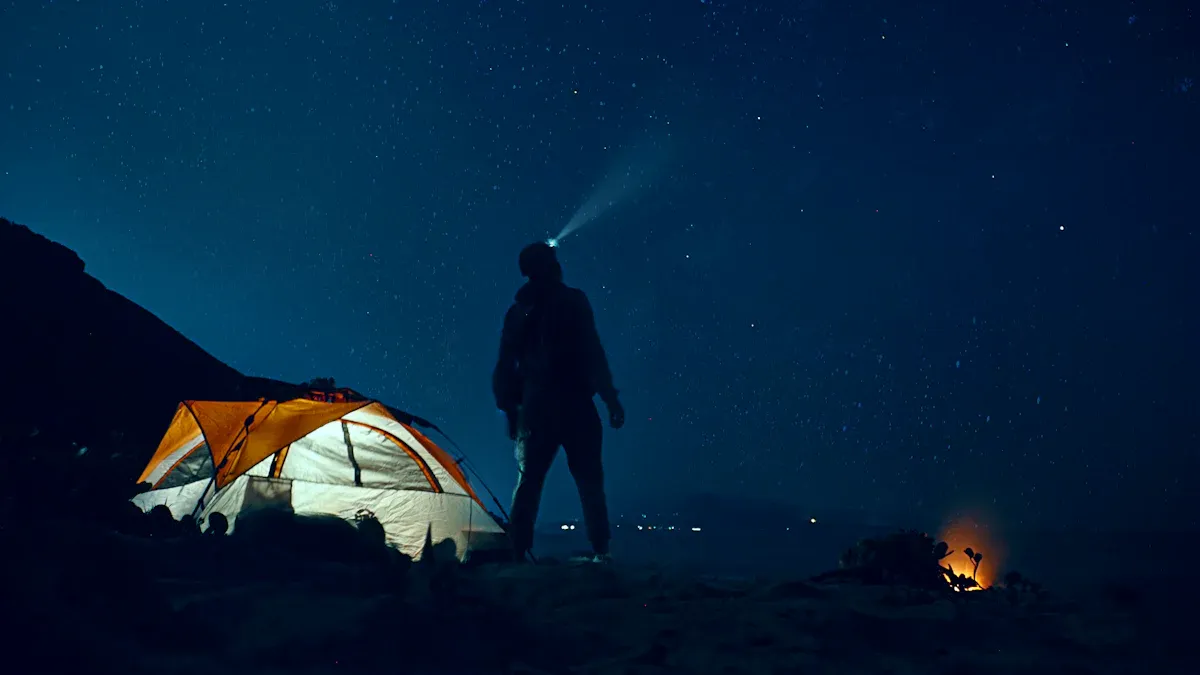
Selecting an appropriate camping headlamp ensures sufficient illumination for various tasks. Campers must use their camping headlamp considerately to prevent disturbing fellow outdoor enthusiasts. Adjustable brightness settings and a red light mode are crucial features for maintaining harmony within the campsite environment. These elements allow users to balance personal lighting needs with the comfort of others.
Key Takeaways
- Choose a headlamp with adjustable brightness and a red light mode. These features help you see without bothering others.
- Always use red light first when it is dark. Red light helps everyone keep their night vision.
- Point your headlamp beam away from other people’s faces. This prevents blinding them and keeps the campsite friendly.
- Use brighter settings only when you really need them. Lower settings are usually enough for tasks around the camp.
- Talk with your fellow campers about how to use lights. This helps everyone have a good time.
Why Campsite Etiquette Demands Mindful Camping Headlamp Brightness
The Glare and Discomfort of Overly Bright Headlamps
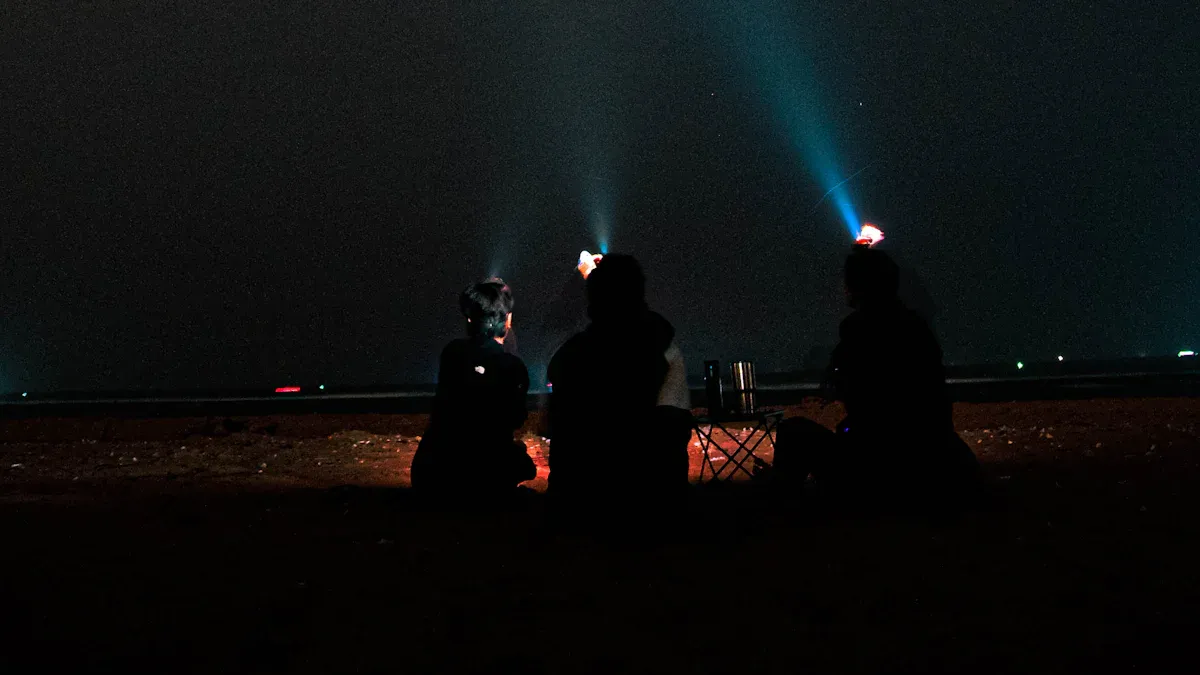
An overly bright headlamp can quickly disrupt the peaceful atmosphere of a campsite. When campers use high-lumen settings unnecessarily, they create significant glare. This intense light causes discomfort for others nearby. Campers frequently report issues with headlamp usage, citing instances of accidentally blinding others and struggling with unintuitive interfaces. These problems highlight the difficulty of using headlamps considerately in shared spaces. Such incidents can lead to frustration and diminish the overall enjoyment of the outdoor experience for everyone. A powerful beam, while useful in certain situations, becomes a nuisance when directed carelessly.
Preserving Night Vision for Yourself and Others
Night vision is a crucial adaptation for navigating in low-light conditions. The human eye adjusts to darkness over time, enhancing its ability to perceive objects without bright illumination. A sudden burst of light from a powerful camping headlamp instantly destroys this delicate adaptation. This applies not only to the person wearing the headlamp but also to anyone in its path. Losing night vision means individuals must wait for their eyes to readjust, which can take several minutes. This disruption impacts safety and convenience, especially when moving around camp or observing wildlife.
Balancing Personal Illumination with Group Harmony
Campers require adequate light for personal tasks like cooking, reading, or setting up gear. However, this personal need must balance with the collective harmony of the campsite. Thoughtful headlamp usage ensures everyone can enjoy the natural environment without unnecessary light pollution. Achieving this balance involves selecting a headlamp with appropriate features and practicing considerate aiming. When individuals prioritize group comfort, the entire camping experience becomes more enjoyable and respectful. This mindful approach fosters a positive atmosphere for all campers.
Essential Features for a Considerate Camping Headlamp
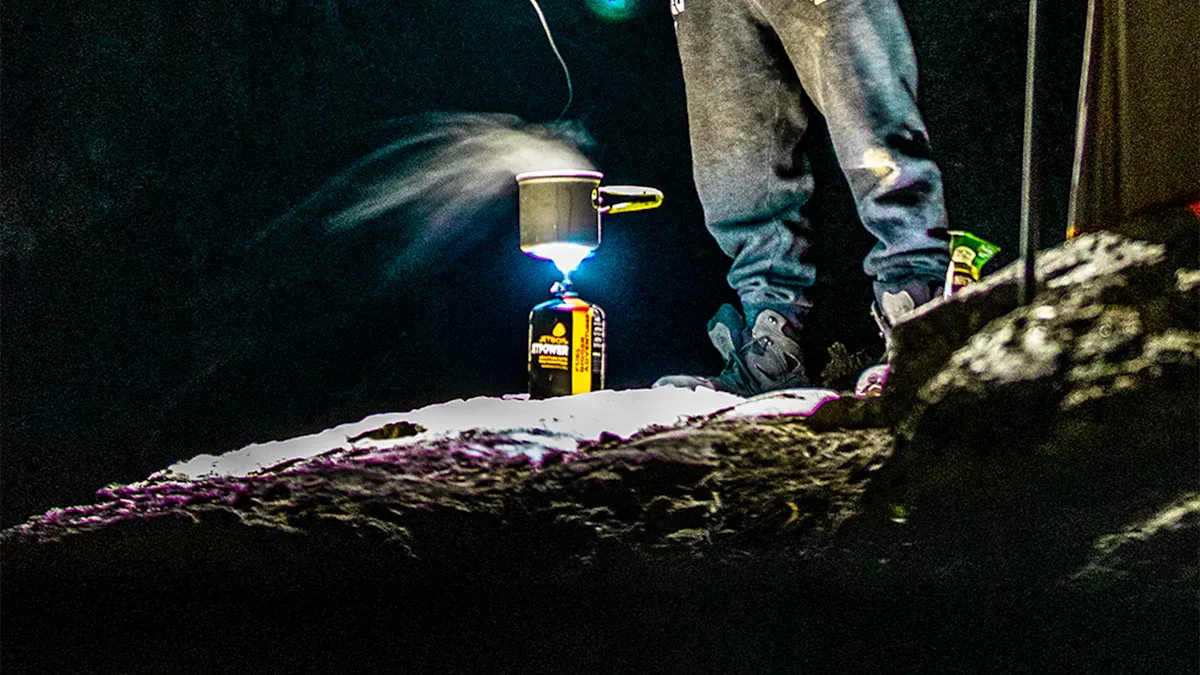
Selecting the right camping headlamp involves more than just raw power. Thoughtful features enhance both personal utility and campsite harmony. Campers should look for specific functionalities that allow for adaptable and respectful illumination.
Adjustable Brightness Settings for Every Task
A versatile camping headlamp offers multiple brightness levels. This allows users to select the exact amount of light needed for a specific activity. High lumen settings are often unnecessary and can disturb others. For close-up tasks like reading a map or preparing food, a lower setting is ideal. When navigating a trail, a brighter beam becomes more appropriate.
Consider these recommended lumen ranges for various camping tasks:
| Camping Task | Recommended Lumens |
|---|---|
| Campsite/Close-up | 25 – 150 |
| Seeing further on trail | > 200 |
| Running/Biking | >= 250 |
| Complete darkness/Cave | > 250 |
| Most scenarios | 250 – 350 |
These adjustable settings ensure campers conserve battery life and avoid over-lighting their surroundings.
The Indispensable Red Light Mode
The red light mode is a critical feature for any considerate camper. Red light preserves night vision much better than white light. It causes less pupil constriction, allowing eyes to remain adapted to darkness. This benefits both the user and nearby campers. When moving around camp at night, checking on children, or simply observing the stars, red light provides sufficient illumination without causing glare or disrupting others’ night vision. Many headlamps offer a dedicated red light setting, often accessible with a single button press. This feature is invaluable for maintaining a peaceful campsite atmosphere.
Understanding Flood vs. Spot Beam for Campsite Use
Headlamps typically offer two primary beam types: flood and spot. Each serves a different purpose and impacts campsite etiquette.
- Flood Beam: A flood beam provides a wide, diffused light that illuminates a broad area. This is excellent for general campsite tasks like cooking, setting up a tent, or socialising. It offers a softer, less intense light that is less likely to bother others. Floodlight beam angles are typically 45°+, often ranging from 90-120°, providing wide area coverage.
- Spot Beam: A spot beam produces a narrow, focused beam of light that travels a longer distance. This is useful for identifying objects far away, navigating trails, or searching for something specific. However, its intensity can be disruptive in close quarters. Spotlight beam angles are generally ≤30°, with typical ranges around ≤25°. A 15° beam creates a very narrow, intense spotlight, while a 30° beam is still considered spotlight territory for accent lighting.
Campers should choose a headlamp that offers both beam types or one that allows for easy switching between them. This versatility ensures appropriate lighting for any situation, promoting both personal utility and group consideration.
Battery Life and Power Management for Your Camping Headlamp
Reliable power is paramount for any camping headlamp. Campers depend on their headlamps to provide light throughout their outdoor adventures. Understanding battery life and practicing effective power management ensures continuous illumination when darkness falls. This knowledge prevents unexpected outages and enhances safety and convenience in the wilderness.
Battery life varies significantly based on several factors. The most impactful factor is the brightness setting. Higher lumen outputs consume battery power much faster than lower settings. Battery type, whether alkaline, lithium, or rechargeable, also plays a crucial role. Environmental conditions, such as cold temperatures, can further reduce battery performance.
Manufacturers provide run time specifications for their headlamps. These ratings typically indicate how long a headlamp will operate on different brightness levels. For example, a Zebralight H600w provides 3 hours on its high mode, which projects a 1201-meter beam. However, on its low mode, it can last an impressive 9.5 days with a 25-meter beam. Similarly, a Fenix headlamp offers approximately 2.8 hours on its high setting. In contrast, models like the Petzl Tikka and Tikkina exceed 200 hours when operating on their low modes. Even a Black Diamond Storm, while providing 5 hours on high, shines less than half as far as the Zebralight on its brightest setting. These examples highlight the vast differences in battery endurance across various models and settings.
Effective power management strategies extend a headlamp’s operational time. Campers should always use the lowest brightness setting adequate for their task. This conserves battery life significantly. Carrying spare batteries, especially for longer trips, is a wise practice. For rechargeable headlamps, a portable power bank ensures convenient recharging in the field. Many modern headlamps also feature battery indicators, which help users monitor remaining power and plan accordingly.
Tip: Consider rechargeable headlamps for their energy-saving and cost-effective benefits. They often feature built-in, long-lasting batteries, providing a convenient lighting solution for low-light environments.
Choosing a headlamp with efficient power consumption and implementing smart usage habits guarantees reliable light throughout the entire camping trip.
How to Use Your Camping Headlamp Respectfully
Mindful headlamp usage significantly contributes to a pleasant camping experience for everyone. Campers can easily avoid common disturbances by following simple guidelines. These practices ensure personal illumination does not infringe upon the comfort of others.
The “Red Light First” Rule
Adopting the “Red Light First” rule is a cornerstone of considerate campsite etiquette. Red light offers sufficient illumination for most close-range tasks without compromising night vision. When campers first activate their headlamps in the dark, they should always select the red light mode. This prevents a sudden burst of bright white light from startling others or destroying their dark adaptation. Red light allows individuals to move around camp, locate items, or read without causing glare. It also helps preserve the natural ambiance of the night.
Tip: Make red light your default setting. Only switch to white light when absolutely necessary for specific tasks requiring greater visibility.
Aiming Your Beam Away from Faces
Directing a headlamp beam into someone’s eyes causes immediate discomfort and temporary blindness. This common oversight can quickly create tension within a group. Campers must always be aware of their headlamp’s direction. When speaking to others, individuals should lower their gaze or temporarily turn off their headlamp. Aiming the beam towards the ground or a neutral surface prevents accidental glare. This simple act of consideration shows respect for fellow campers and maintains a harmonious environment.
When to Use Brighter Settings (and When Not To)
Understanding when to deploy higher brightness settings is crucial for responsible headlamp use. Brighter settings serve specific purposes but are often unnecessary around the campsite.
- When to Use Brighter Settings:
- Trail Navigation: A powerful beam helps campers safely navigate unfamiliar or challenging trails in complete darkness.
- Emergency Situations: High lumens are essential for signaling for help or identifying hazards during an emergency.
- Detailed Tasks: Some intricate tasks, like first aid or equipment repair, may require maximum illumination.
- Wildlife Spotting: A brief, focused beam can help identify distant animals, but campers should use it sparingly to avoid disturbing wildlife.
- When Not to Use Brighter Settings:
- Around the Campfire: The ambient light from a campfire usually provides enough illumination.
- Social Gatherings: Bright lights disrupt conversation and eye contact.
- Inside Tents: Low settings or red light are more than adequate for tasks within a tent.
- General Movement Around Camp: A low white light or red light typically suffices for walking between tents or to facilities.
A Camping Headlamp with easily accessible brightness controls allows users to quickly adapt their light output to the situation. This adaptability is key to being a considerate camper.
Communicating About Light Use with Fellow Campers
Open communication among campers prevents misunderstandings about light usage. Before or upon arrival at the campsite, groups establish clear expectations for headlamp use. This proactive approach ensures everyone understands the shared norms. Campers discuss specific scenarios. They determine when to use red light and when brighter white light is acceptable. This shared understanding helps maintain a peaceful environment.
Establishing guidelines for light usage creates a harmonious camping experience. For example, a “lights out” rule, similar to the one at Mile High Summer Camp, sets a general expectation for quietness and reduced activity after a certain time. This implicitly guides light use, encouraging campers to minimize bright lights during designated quiet hours. Such rules provide a framework for respectful behavior.
Campers also discuss how to handle situations where someone forgets the agreed-upon rules. A gentle reminder often resolves the issue without conflict. This respectful dialogue fosters a sense of community. It ensures personal illumination does not disturb others. Ultimately, clear communication about light use contributes significantly to a more enjoyable outdoor adventure for everyone.
Understanding Camping Headlamp Specifications
Understanding headlamp specifications helps campers make informed choices. These technical details guide users toward selecting the most suitable device for their needs. Evaluating lumens, beam distance, and run time ensures effective and considerate illumination.
Lumens: What They Mean for Campsite Brightness
Lumens represent a key specification for any light source. A lumen is the unit of measurement for the total amount of visible light a source emits. More lumens generally mean brighter light. This definition applies universally to all light sources, including headlamps. For campsite use, higher lumen counts do not always equate to better performance. Campers often need lower lumen settings to avoid disturbing others. Excessive brightness can disrupt the peaceful atmosphere of a campsite.
Beam Distance: How Far is Too Far
Beam distance indicates how far a headlamp projects useful light. The ANSI FL1 standard defines beam distance precisely. This standard measures the distance from a light source where the illuminance equals that of a full moon on a clear night. Specifically, the ANSI standard defines beam distance as the distance, in meters, where a light projects 0.25 lux. This 0.25 lux level approximates the light from a full moon in an open field. For campsite activities, an extremely long beam distance is rarely necessary. It can also cause unwanted light pollution.
Run Time: Ensuring Light Throughout Your Trip
Run time specifies how long a headlamp operates on a single charge or set of batteries. This specification is crucial for extended trips. Headlamps feature multiple brightness settings. Each setting has a corresponding burn time. For example, Petzl headlamps typically offer 2-3 hours of burn time at their maximum brightness. Other brands often claim 3-6 hours or more for their maximum brightness settings. Manufacturers sometimes highlight “max burn time” alongside “max brightness.” This can mislead consumers. The maximum burn time usually occurs at the lowest brightness setting. The maximum power setting results in the shortest burn time. Petzl aims to clearly state burn times for each brightness level. Campers should consider run time at various settings for practical use of their camping headlamp.
Top Camping Headlamp Recommendations for Discreet Use
Selecting the right headlamp significantly enhances the camping experience for everyone. Campers find models that balance personal illumination with campsite harmony. This section explores various headlamp categories, offering recommendations for different needs and budgets.
Budget-Friendly Options with Essential Features
Budget-friendly headlamps offer fundamental features crucial for considerate campsite use. These models typically include multiple brightness settings and a red light mode. Users can easily switch between low white light for close-up tasks and red light for preserving night vision. They provide reliable illumination for basic camp activities like cooking, reading, or navigating short distances. These headlamps prioritize functionality and affordability, making discreet use accessible to all campers.
Mid-Range Performers for Versatility
Mid-range headlamps provide enhanced versatility for various camping scenarios. These models often combine both flood and spot beams, allowing users to adapt their light to different tasks. The Petzl Actik Core features both beam types, making it suitable for diverse activities. The Petzl Tikkina offers ease of use and ample light for nighttime cooking and tent setup. Black Diamond Spot 400 provides comfort for a wide range of activities. Fenix HM50R V2.0 and BioLite HeadLamp 325 also offer flood and spot capabilities, enhancing their utility. The Fenix HM61R V2.0, known for its robust design, extends its versatility well to camping. These headlamps balance performance and features, supporting considerate use in varied environments.
Premium Choices for Advanced Users
Premium headlamps cater to advanced users seeking superior performance and sophisticated features. The ACTIV 1000 model exemplifies a high-end choice. It delivers 210-degree wide-angle illumination with 1000 lumens. This headlamp features an 1800 mAh rechargeable battery, providing up to 32 hours of runtime on its low setting. It offers five light modes: high, medium, low, red, and pulse. The ACTIV 1000 boasts an IPX4 weatherproof rating, ensuring durability. Its lightweight, flexible, and no-bounce design, along with an adjustable fit, provides comfort during extended use. These advanced features offer precise control, allowing experienced campers to manage their light output effectively and respectfully.
Advanced Tips for Mindful Camping Headlamp Use
Using Diffusers or Filters for Softer Light
Campers can enhance light quality and reduce glare by employing diffusers or filters on their headlamps. These accessories modify the beam, making it less intrusive. Colored filters, such as red, blue, or green, change the light’s hue for specific applications like hunting or tactical operations. White diffusers provide wider coverage and pleasant diffusion properties. They soften the light, creating a more ambient glow rather than a harsh, direct beam. This technique proves particularly useful when reading inside a tent or performing close-up tasks without disturbing others.
The Role of Handheld Lanterns for Area Lighting
Handheld lanterns serve a distinct purpose in campsite illumination, complementing headlamps effectively. They provide 360-degree ambient light for a general area. Campers place them on a picnic table, hang them inside a tent, or use them to light a main living space. Lanterns create a warm, diffused light for a pleasant and cozy atmosphere, unlike harsh headlamp beams. Modern LED lanterns offer incredible efficiency. Many models feature adjustable brightness and color temperature, allowing users to switch between bright, cool white light for tasks like cooking and dim, warm light for relaxation. A red light mode helps preserve night vision and is less disruptive to others. Some lanterns even offer power bank functionality, enabling the charging of phones and other small devices using the lantern’s large battery.
Teaching Kids Campsite Lighting Etiquette
Educating children about proper lighting etiquette ensures a harmonious camping experience for everyone. Parents teach kids to use their lights responsibly. They explain why bright lights disturb others and disrupt night vision. Children learn to use red light first and aim their beams away from people’s faces. Practical demonstrations help reinforce these lessons. Encouraging kids to observe the natural darkness fosters an appreciation for minimal light use. This early training instills good habits, promoting respectful behavior in shared outdoor spaces.
Thoughtful headlamp selection and usage significantly enhance the camping experience for everyone. Campers prioritize adjustable brightness and red light modes. These features create peaceful campsites. Practicing considerate aiming ensures an enjoyable outdoor adventure for all participants. Ultimately, responsible headlamp use fosters harmony and respect within the natural environment.
Remember: A well-chosen headlamp, used mindfully, illuminates your path without dimming the experience for others.
FAQ
Why is red light important on a camping headlamp?
Red light preserves night vision. It causes less pupil constriction than white light. This allows eyes to remain adapted to darkness. Campers use red light to move around camp without disturbing others. It helps maintain a peaceful campsite atmosphere.
How do lumens affect campsite brightness?
Lumens measure a light source’s total visible light. More lumens mean brighter light. For campsite use, higher lumens are not always better. Excessive brightness can disrupt the peaceful atmosphere. Campers often need lower lumen settings to avoid disturbing others.
Should I use a flood or spot beam at the campsite?
Use a flood beam for general campsite tasks. It provides wide, diffused light. This is less likely to bother others. Use a spot beam for specific tasks like navigating trails. Its narrow, focused light travels longer distances.
How can I avoid disturbing other campers with my headlamp?
Always use the “Red Light First” rule. Aim your beam away from faces. Use brighter settings only when necessary. Communicate about light use with fellow campers. These practices ensure personal illumination does not infringe upon others’ comfort.
Post time: Dec-16-2025


