 fannie@nbtorch.com
 +0086-0574-28909873



Outdoor lighting is no longer just a functional utility to brighten streets, yards, and public spaces after dark. It has evolved into a comprehensive urban solution that balances urban aesthetics, ecological environmental protection, human physical and mental health, and long-term energy sustainability. As global urbanization accelerates, environmental protection and energy-saving regulations grow increasingly stringent, and digital smart technology achieves rapid iterative upgrades, the traditional outdoor lighting industry is undergoing a comprehensive and profound transformation. Conventional outdoor lighting products, which feature single fixed functions, high overall energy consumption, outdated light distribution design, and rigid manual timing control modes, can no longer satisfy the diverse, refined, and intelligent demands of modern smart cities, commercial scenic areas, high-end residential communities, and personalized outdoor leisure scenarios. For professional lighting manufacturers and professional R&D teams, accurately grasping the latest mainstream product development directions has become the core key to breaking homogeneous market competition and gaining long-term market competitiveness in 2026 and the coming decade. This blog will systematically elaborate on five core innovation directions of contemporary outdoor lighting new product development, covering intelligent autonomous iteration, full-scenario green energy conservation, human-centric healthy lighting, integrated landscape aesthetics, and refined scenario-based customization, to provide clear industry insights for product innovation and market layout.
The first and most transformative development direction is AI-powered autonomous adaptive intelligent lighting, which has become the core breakthrough point of new product iteration in the smart lighting era. In the past few years, the so-called smart outdoor lighting on the market was extremely limited in functionality, merely relying on simple mobile app remote control and fixed timing switch settings, with low intelligent recognition ability and poor real-time environmental adaptability. Most products cannot actively perceive external changes, resulting in low intelligent utilization rate and still causing serious invalid energy waste. In 2026, the mainstream R&D focus of new outdoor lighting products has completely shifted to fully autonomous AI-driven lighting ecosystems with real-time environmental perception, data analysis, and active decision-making capabilities. The new generation of intelligent outdoor lighting products is embedded with multi-dimensional high-precision sensors, which can real-time monitor ambient light intensity, road pedestrian and vehicle flow density, temperature and humidity changes, and extreme weather conditions in the surrounding environment.
Combined with edge computing terminals and big data operation algorithms, these smart lights can independently adjust working parameters such as brightness, color temperature, and working modes in real time without any manual intervention or remote operation. For urban road lighting scenarios that account for the largest market share, AI adaptive street lights can intelligently dim to 30% of the rated brightness during low-traffic late-night periods to ensure basic safety lighting, and instantly restore full standard brightness when vehicles or pedestrians pass by, effectively reducing invalid energy consumption by 30% to 50% compared with traditional ordinary LED lights. Beyond basic traffic flow adaptation, cutting-edge new products can also accumulate and analyze historical lighting and weather data, realize predictive lighting demand judgment, and complete pre-adjustment of lighting status in advance under extreme weather such as heavy rain, dense fog, blizzard, and strong wind, greatly improving road travel safety. In addition, new intelligent products completely abandon the closed private control protocols of traditional smart lights, and adopt open and compatible IoT ecosystem architecture, enabling seamless docking and interconnection with urban smart management platforms, building automatic control systems, and community smart service terminals. This cross-scenario interconnection turns scattered independent outdoor lighting fixtures into a unified urban smart perception network, successfully expanding the functional boundary of outdoor lighting from a single lighting tool to an important urban public service and data collection terminal.
The second core R&D direction is full-scenario green and low-carbon energy optimization driven by dual upgrades of energy efficiency optimization and new energy integration. With the global promotion of carbon neutrality goals and the continuous tightening of international and domestic light pollution control and energy efficiency access regulations, green low-carbon and high-efficiency energy saving have no longer been optional advantages but have become the basic threshold for new outdoor lighting products to enter the mainstream market. Traditional solar outdoor lighting products, which have prevailed in the market for many years, have long been criticized by users and industries for multiple pain points including low photovoltaic power conversion efficiency, unstable power supply in rainy and cloudy days, and short overall battery service life. To solve these industry bottlenecks, the new generation of green outdoor lighting products has achieved comprehensive breakthroughs and upgrades in core components and energy supply systems. High-efficiency monocrystalline silicon solar panels with a power conversion rate of over 20% have become standard core configurations, ensuring stable and efficient solar power generation even in harsh environments such as cloudy, rainy, and partially shaded conditions, greatly improving the environmental adaptability of solar lighting products.
In terms of energy storage systems that determine product stability and service life, high-safety lithium iron phosphate (LiFePO4) batteries have completely replaced traditional ordinary lithium-ion batteries in new product R&D and mass production. Featuring 2 to 3 times longer cycle charging and discharging life, excellent high and low temperature thermal stability, and ultra-high safety performance, these batteries effectively solve the common pain points of traditional products such as short service life, easy failure, and frequent damage in extreme outdoor high-temperature and low-temperature environments. Moreover, the innovative integrated design of “solar power generation + intelligent energy storage” realizes completely off-grid independent power supply, which is no longer restricted by wired power supply lines and complex wiring construction, greatly reducing the installation cycle, construction cost, and later operation and maintenance cost of outdoor lighting equipment. In addition to the innovation of energy supply structure, new green products also focus on ecological protection and dark-sky environmental optimization in design. Equipped with professional anti-glare light distribution technology and precise beam control modules, the products can effectively avoid stray light overflow and light scattering, significantly reduce urban artificial light pollution, and fully comply with international dark-sky association lighting standards, realizing the harmonious coexistence of lighting functionality and ecological environmental protection.
Third, human-centric circadian health lighting has become a new high-growth track for high-end outdoor lighting product iteration and differentiated competition. For a long time, the R&D and design of outdoor lighting products overly focused on core indicators such as brightness, illumination uniformity, and energy-saving efficiency, but ignored the subtle and long-term impact of artificial light on human biological rhythms, visual health, and physical and mental comfort. With the continuous improvement of public health awareness and the upgrading of consumer demand for high-quality outdoor living environments, human-centric lighting technology, which was previously only widely applied in indoor home and office scenarios, has been fully migrated and innovated in outdoor product development in 2026. The newly developed outdoor health lighting products are equipped with intelligent full-spectrum spectral tuning systems, which can automatically adjust the color temperature, light intensity, and spectral ratio of light sources in real time according to natural time changes and human outdoor activity rules.
For daily outdoor scenarios such as residential courtyards, urban park trails, and leisure fitness plazas, the products will output soft and warm 2700K warm white light in the evening. This mild light source can effectively avoid inhibiting the secretion of human melatonin, protect the normal sleep circadian rhythm of residents, and reduce the insomnia and physical fatigue problems caused by long-term exposure to high-color-temperature cold light at night. In the early morning when citizens start outdoor exercise and work activities, the lights will automatically switch to 4000K mild neutral white light, which fits human visual adaptation and waking activity needs. Different from traditional outdoor lights with fixed single color temperature and light quality, the new tunable spectral health products realize dynamic adaptive adjustment of outdoor light environment, perfectly balancing lighting practicability and human health protection. Meanwhile, all new health lighting products adopt optimized low-blue-light optical design, which greatly reduces high-energy blue-light radiation, not only protecting human eye health and avoiding visual fatigue, but also reducing the interference of artificial light on nocturnal insects and birds, building a healthy, comfortable and eco-friendly outdoor night light environment. This humanized and health-oriented design greatly improves the comfort experience of users’ outdoor activities and has become a core differentiated selling point for high-end outdoor lighting products to seize the market.
Fourth, invisible integrated aesthetic design completely reshapes the traditional morphological design logic and scene matching mode of outdoor lighting products. Most traditional outdoor lighting fixtures have bulky, rigid and single-shaped lamp bodies, which are highly recognizable in the daytime but easy to form visual clutter, and often conflict with the architectural style of urban buildings and the natural texture of landscape greening, destroying the overall aesthetic sense of urban space. In response to the aesthetic upgrading needs of urban renewal, landscape renovation and high-end real estate supporting construction, the latest outdoor lighting product development trend adheres to the design concept of “lighting integration and hidden installation”. R&D designers integrate light sources, drive power supplies, line structures and other core electrical components into urban architectural structures, landscape facilities, public leisure furniture and other carriers, realizing the perfect integration of lighting equipment and space.
A large number of new embedded, concealed and integrated fixtures have abandoned the traditional exposed lamp body structure, realizing the advanced lighting effect of “seeing the light but not the lamp”. In urban landscape lighting scenarios, innovative products such as buried hidden lights, edge embedded contour lights, and landscape integrated light strips have been widely developed and applied. These products can be perfectly embedded in urban green belts, leisure corridors, water landscape platforms and building outlines, effectively highlighting the hierarchical sense and artistic sense of urban night scenery without damaging the integrity and simplicity of the daytime landscape space. In urban public road and square scenarios, new products adopt minimalist and lightweight body design, and are equipped with high-strength weather-resistant, anti-corrosion and anti-ultraviolet new materials, which can stably adapt to complex outdoor environments such as wind and rain erosion, high-temperature exposure and low-temperature freezing. The deep integration of functional practicability and spatial aesthetics enables outdoor lighting products to complete the transformation from simple auxiliary lighting tools to important constituent elements of urban night scene art and spatial aesthetics, fully meeting the high-standard aesthetic construction needs of modern smart cities and high-end commercial and residential supporting facilities.
The fifth key development direction is scenario-based customized refined R&D, which is the fundamental way for products to get rid of homogeneous low-price competition. The era of universal single-standard outdoor lighting products that adapt to all scenarios has completely ended. With the continuous refinement of market demand, segmented scenario customization and precise functional iteration have become the core logic of new product upgrading. Different outdoor application scenarios have completely differentiated requirements for product performance, functions, styles and parameters, which prompts R&D teams to carry out targeted refined development according to scenario characteristics. For urban traffic road scenarios, new products focus on improving brightness uniformity, long-distance effective illumination and intelligent traffic signal linkage function, ensuring road safety and smoothness; for high-end residential outdoor courtyards and community scenarios, products prioritize health and environmental protection, silent operation, anti-glare performance and low energy consumption, focusing on creating a quiet and comfortable living atmosphere; for commercial streets, tourist scenic spots and night economic scenarios, products focus on dynamic color adjustment, diversified scene switching and artistic lighting presentation to drive night economy development; for rural remote areas and infrastructure-lagging scenarios, products take off-grid solar power supply, ultra-high durability and zero-maintenance design as the core R&D goals to adapt to harsh construction conditions.
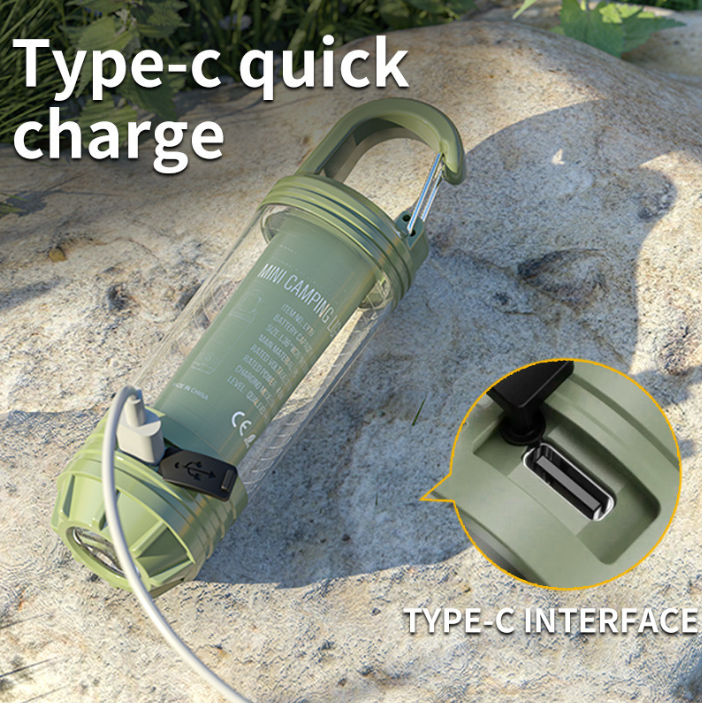
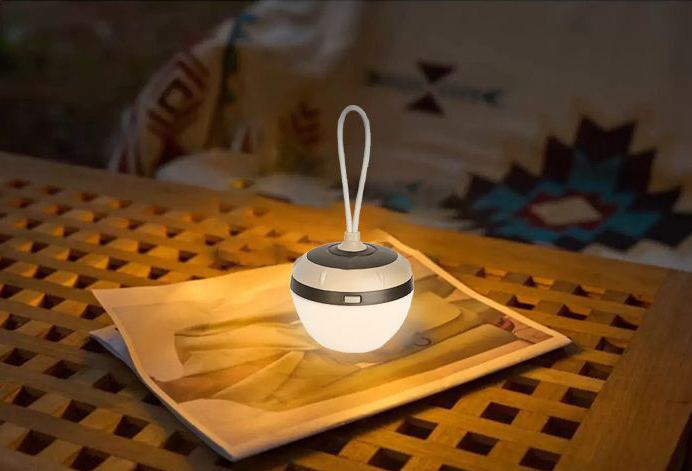
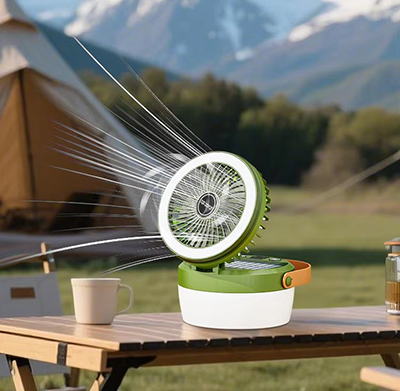
In addition, driven by the rapid rise of the national outdoor camping economy and personalized outdoor leisure consumption, portable, foldable, waterproof and multi-functional outdoor lighting products have become a new emerging R&D hotspot in the industry. Such innovative products integrate emergency lighting, mobile power supply, atmosphere light creation, waterproof and drop-proof functions, which can meet the diversified personalized needs of outdoor enthusiasts for camping, hiking, night fishing and other scenarios. The refined scenario-based customized R&D mode enables enterprises to accurately capture segmented market demand, avoid ineffective homogeneous R&D investment, greatly improve the market adaptability and added value of products, and form stable competitive advantages in segmented tracks.
In conclusion, the new product development of outdoor lighting in 2026 and beyond has bid farewell to the single functional innovation mode of the past, and shifted to multi-dimensional integrated innovation covering intelligent autonomy, green low carbon, human health, spatial aesthetics and scenario refinement. AI-driven autonomous intelligence solves the pain points of inefficient operation and high energy consumption of traditional lighting systems; new energy green technology realizes sustainable and clean energy utilization of outdoor lighting; human-centric spectral optimization greatly improves user outdoor experience and health protection; integrated aesthetic design fits the high-quality development trend of modern urban space; and scenario-based refined customization accurately meets the diversified and personalized market demands. For the global outdoor lighting industry, only by closely following these innovative development directions, continuously increasing investment in core technology R&D and product iterative optimization, can manufacturing enterprises break through industry development bottlenecks, actively adapt to increasingly strict industry regulatory standards and continuous consumer demand upgrades, and occupy a leading position in the fiercely competitive global lighting market. In the future, outdoor lighting products will continue to evolve towards smarter operation, greener energy consumption, healthier light quality and more artistic presentation, creating a safer, more comfortable, eco-friendlier and higher-quality night space for urban construction and human outdoor life.
Post time: Oct-10-2026


