 fannie@nbtorch.com
 +0086-0574-28909873



Selecting the appropriate outdoor headlamps significantly enhances family adventures. Prioritizing safety and reliability remains crucial for all family outdoor gear. Headlamps actively prevent accidents by clearly illuminating pathways and potentially hazardous areas, particularly in low-light conditions. Experts list them as essential items for outdoor adventure safety. Furthermore, ensuring comfort and ease of use for every family member guarantees a more enjoyable and secure experience for everyone.
Key Takeaways
- Good headlamps keep families safe outdoors. They light up paths and prevent accidents in the dark.
- Look for headlamps with different brightness levels. This helps with various activities, from reading to night hiking.
- Rechargeable batteries save money and are better for the environment. They also work well in cold weather.
- Headlamps must fit well and feel comfortable. Adjustable straps and light designs are important for all ages.
- Check the IPX rating for water resistance. This ensures the headlamp works in rain and wet conditions.
Why Trust Our Outdoor Headlamp Recommendations
Our Rigorous Testing Methodology for Outdoor Headlamps
We ensure our recommendations for outdoor headlamps come from thorough and objective evaluations. Our team employs a rigorous testing methodology to assess each product’s performance and durability. For instance, we precisely measure battery life using a specialized testing rig called the “Light Coffin.” This calibrated data logging light meter, housed inside a light-proof box, measures beam brightness over time. This process allows us to collect data and chart how beam distance degrades as the battery power drains, providing factual insights into battery performance. We also conduct extreme durability tests. Headlamps are thrown from a 20-foot ladder stand onto a 1/4-inch plywood panel to test impact resistance. A headlamp must survive this fall without significant housing damage to pass. For weather and cold resistance, headlamps are placed in a chest freezer for one hour and then sprayed with a garden hose. Survival of both conditions is required for a successful rating.
Expert Insights and Family Feedback on Outdoor Headlamps
Our recommendations combine scientific testing with practical, real-world experience. We gather expert insights from seasoned outdoor enthusiasts, survival instructors, and gear specialists. These experts provide valuable perspectives on functionality, design, and overall utility in various outdoor scenarios. Furthermore, we actively solicit feedback from families who use these outdoor headlamps in their daily adventures. This includes parents, children, and grandparents, ensuring the gear meets the diverse needs of all age groups. Their experiences highlight aspects like comfort, ease of use for small hands, and reliability during family camping trips or evening strolls. This dual approach of expert opinion and direct family feedback ensures our recommendations are comprehensive, trustworthy, and truly beneficial for your family’s outdoor pursuits.
Key Considerations for Family Outdoor Headlamps
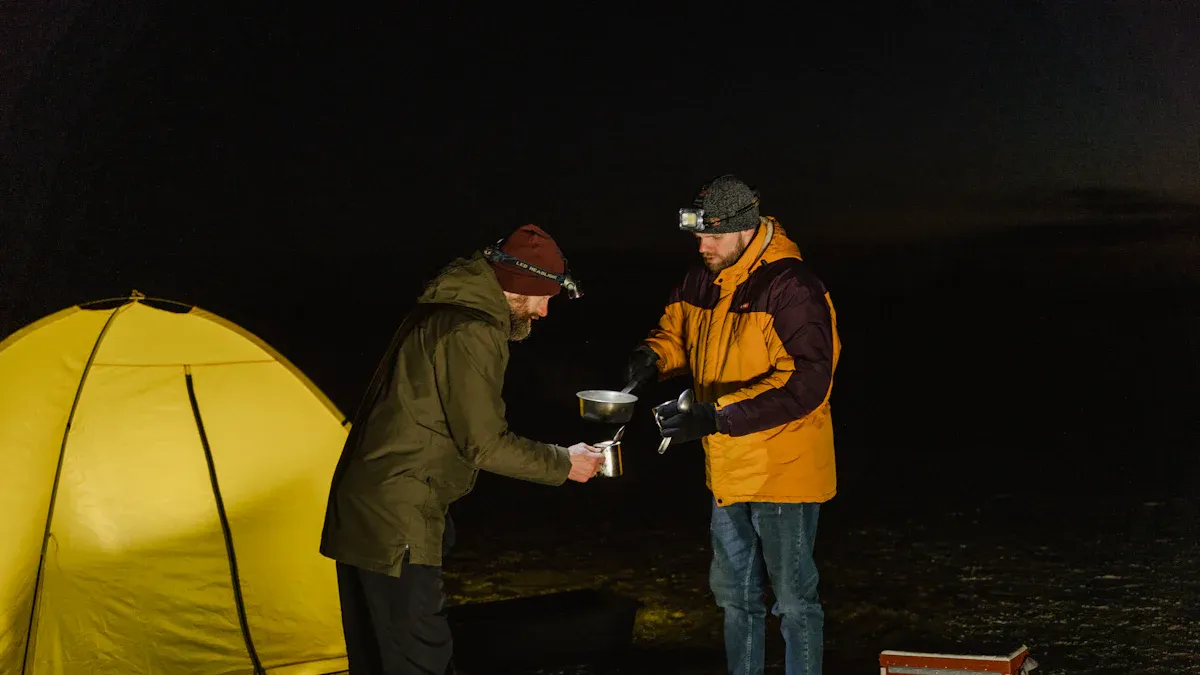
Brightness Levels for Different Activities
Selecting appropriate brightness levels ensures optimal visibility for various family activities. Low lumen settings, typically 5-20 lumens, provide sufficient light for reading inside a tent or navigating around a campsite without disturbing others. For general walking on established trails or performing camp chores, a medium brightness of 50-150 lumens offers a good balance of illumination and battery conservation. More demanding activities, such as night hiking, exploring unfamiliar terrain, or spotting distant objects, require higher lumen outputs, often exceeding 200 lumens. Families benefit from headlamps offering multiple brightness modes, allowing users to adjust the light output according to specific needs and conserve battery power effectively.
Battery Life and Power Options for Outdoor Headlamps
Reliable battery life is paramount for family safety during outdoor excursions. Rechargeable batteries offer significant advantages for Outdoor Headlamps. They provide a powerful and consistent light source.
- High Lumen Output: Rechargeable headlamps often utilize batteries that deliver high power, resulting in bright illumination.
- Cost-Effective: While the initial purchase cost might be higher, rechargeable options become more economical over time. Lithium-ion batteries can endure 500 charge cycles, potentially lasting a decade with average use.
- Eco-Friendly: These batteries reduce waste significantly, eliminating the need for frequent purchases and disposal of single-use batteries.
- Convenience & Versatility: Many rechargeable headlamps include a battery indicator, providing clear information about remaining power. Some models even recharge on the go or function as power banks for other devices.
- Reliable Under Extreme Conditions: Lithium-ion batteries feature built-in protections against bursting and leaking in cold weather. They perform better in high-drain devices and withstand temperature drops more effectively than alkaline batteries. Many are also weather-resistant, dustproof, and waterproof.
Comfort and Adjustable Fit for All Ages
Comfort ensures every family member will willingly wear their headlamp for extended periods. Headlamps must feature adjustable straps to accommodate various head sizes, from small children to adults. Lightweight designs prevent neck strain, a crucial factor for younger users. Ergonomic designs distribute the headlamp’s weight evenly across the forehead, enhancing comfort. Soft, breathable materials for the headband also prevent irritation and sweating, making the headlamp pleasant to wear during active pursuits.
Durability and Water Resistance Ratings
Durability and water resistance are critical factors for any family outdoor gear, especially for Outdoor Headlamps. These features ensure the equipment withstands the rigors of outdoor adventures and unpredictable weather conditions. Headlamps often encounter drops, bumps, and exposure to moisture. A robust construction prevents damage from accidental impacts, extending the product’s lifespan.
Water resistance is measured by an Ingress Protection (IPX) rating. This rating indicates a device’s ability to resist water penetration. For occasional use in light rain, an IPX4 rating offers minimal protection against splashing water. However, it proves unsuitable for prolonged use in heavy rain. An IPX5 rating provides a slightly higher level of protection, allowing use in rain from time to time. This meets the minimum requirements for campers or hikers, though prolonged exposure to heavy rain or immersion should be avoided. For superior protection, especially in very wet conditions, an IP68 rating is ideal. Products with an IP68 rating can withstand not only rain and splashes but also significant periods of submersion, indicating a very high level of water resistance suitable for all rainy conditions. Manufacturers like Fenix typically feature an IP68 rating on their flashlights, demonstrating this high standard.
Child-Specific Features and Safety for Outdoor Headlamps
When selecting headlamps for children, specific features enhance safety and usability. Lower lumen settings are crucial to protect young eyes from excessive brightness. Many child-specific models offer a maximum output of 50-100 lumens, which is sufficient for most children’s activities without being overpowering. Easy-to-operate buttons and simple interfaces allow children to manage their light independently. Look for designs with secure battery compartments, often requiring a tool to open, preventing accidental access to batteries. Lightweight construction and soft, adjustable straps ensure comfort and a secure fit on smaller heads. Furthermore, some headlamps incorporate fun colors or glow-in-the-dark elements, making them more appealing to younger users. Always prioritize non-toxic materials in children’s gear. Parental supervision remains essential, even with child-friendly headlamps, to teach proper usage and safety protocols.
Top Picks for Family Outdoor Headlamps
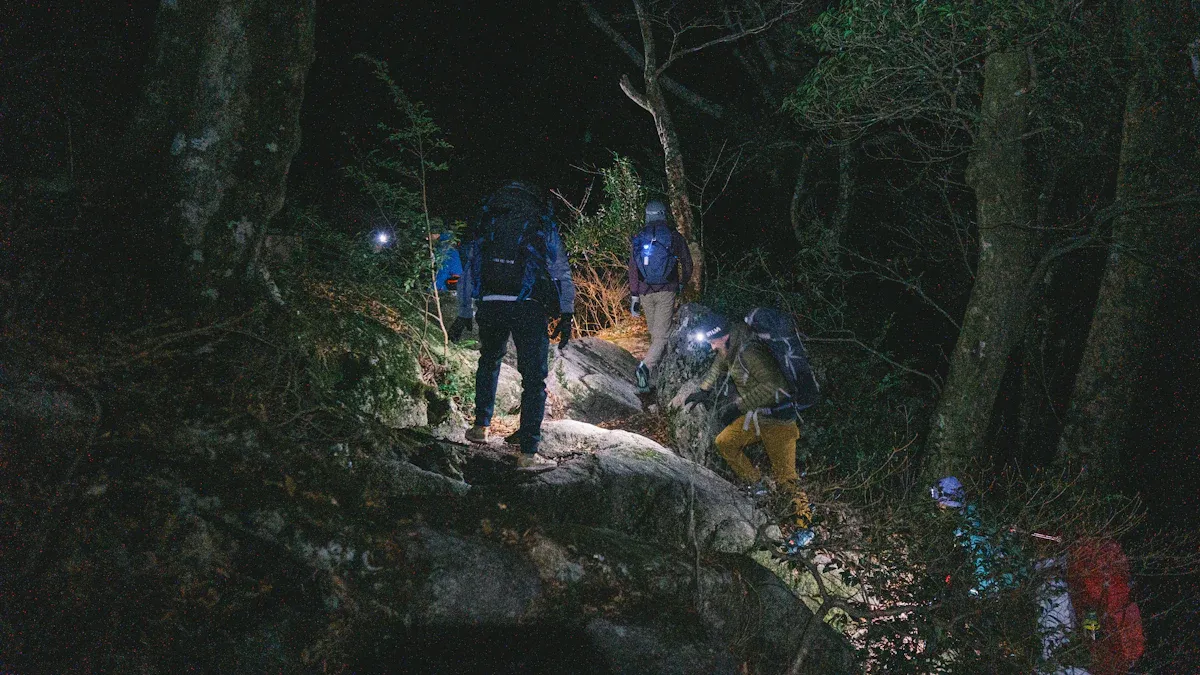
Choosing the right headlamp for each family member ensures safety and enjoyment during any outdoor activity. This section highlights top recommendations, catering to different needs and budgets, while emphasizing features crucial for family use.
Best Overall Family Outdoor Headlamp
The best overall family outdoor headlamp balances versatility, durability, and user-friendliness for all ages. It typically offers multiple brightness settings, including a low red light mode to preserve night vision and avoid disturbing others. A comfortable, adjustable headband accommodates various head sizes, from children to adults. Excellent battery life, preferably with rechargeable options, ensures reliability on longer trips. Furthermore, a high IPX rating for water resistance guarantees performance in diverse weather conditions. While no single headlamp perfectly fits every family’s unique needs, models that excel in these areas provide a robust and adaptable lighting solution for a wide range of adventures.
Best Budget-Friendly Outdoor Headlamp Option
Families often seek reliable performance without a high price tag. Several budget-friendly headlamp options deliver excellent value.
- Nitecore NU25 UL: This model receives praise for its impressive burn time, ranging from 61 to 110 hours depending on the brightness setting. Its ultralight design and affordable price make it an excellent choice for reliable performance over extended periods.
- Petzl Tikkina: This headlamp offers sufficient lighting for many everyday outdoor enthusiasts. It provides a straightforward 150-lumen output with decent battery life. A key feature is its compatibility with Petzl’s rechargeable Core battery, sold separately, which offers an upgrade path.
- Black Diamond Astro ($15 and up): This headlamp stands out for its feature-rich design, excellent optics, and an impressive 20-hour battery life on its brightest setting. It is compact, offers 150 lumens, includes dimmable functionality, a strobe function, and a lock mode. Its simple operation and superior beam composition for the price range make it a top recommendation, though it lacks a red light.
These options demonstrate that families can find capable Outdoor Headlamps without compromising on essential features or reliability.
Best Outdoor Headlamp for Kids
Children require headlamps specifically designed for their safety and ease of use. The Petzl TIKKID® exemplifies an ideal headlamp for young adventurers. This compact headlamp is suitable for children aged 3 years and older. It features 20 lumens of power in high mode, which limits photo-biological risk and protects sensitive young eyes. Safety features include an adjustable headband that releases under tension, preventing entanglement. Access to the battery pack is protected by a flat-head screw, preventing accidental battery removal. The TIKKID® also includes an automatic shut-off after one hour, conserving battery life, and a useful phosphorescent reflector for locating the lamp in the dark. It offers three lighting levels: a low mode for reading, a high mode for playing, and a white strobe for increased visibility.
Best Outdoor Headlamps for Hiking and Camping
Reliable illumination significantly enhances safety and enjoyment during hiking and camping trips. Michael Lanza, a former lead gear reviewer for Backpacker magazine with over 25 years of field-testing experience, has extensively evaluated dozens of headlamps for backcountry use. His rigorous testing during backpacking, camping, long dayhikes, climbing, and backcountry skiing ensures that recommended models meet high performance standards.
For general camping and hiking, several models stand out for their balance of features and durability. The Black Diamond Cosmo 300 Headlamp offers 300 lumens in a compact, watertight body. This makes it ideal for both urban adventures and overnighters in the woods. It features an ergonomic design, an updated user interface with a second switch for lens selection, and improved optical efficiency. This design provides brighter light and saves battery power. Its water-resistant construction ensures performance even in rain or unexpected downpours. The BioLite Headlamp 750 also comes highly recommended for various adventures.
Many excellent options exist, catering to different preferences and budgets. The following table provides a comparison of popular models suitable for hiking and camping:
| Model | Price | Weight | Max Power | Rechargeable |
|---|---|---|---|---|
| BioLite Headlamp 325 | $60 | 1.8 oz./51g | 325 lumens | Yes |
| Knog Bandicoot 250 | $50 | 2.1 oz./59.5g | 250 lumens | Yes |
| Black Diamond Spot 400 | $55 | 2.5 oz./70.9g | 400 lumens | No |
| Black Diamond Spot 400-R | $70 | 2.6 oz./73.7g | 400 lumens | Yes |
| Petzl IKO Core | $105 | 2.8 oz./79.4g | 500 lumens | Yes |
| Petzl Actik Core | $85 | 3 oz./85g | 350 lumens | Yes |
| BioLite Headlamp 800 Pro | $120 | 5.3 oz./150g | 800 lumens | Yes |
| Black Diamond Distance 1500 | $220 | 7.5 oz./213g | 1,500 lumens | Yes |
For backpackers prioritizing weight and performance, the Petzl Tikka XP2 remains a favorite, often chosen for thru-hikes. The Black Diamond Spot also receives excellent reviews for its overall performance. These Outdoor Headlamps provide reliable light for navigating trails and setting up camp after dark.
Best Outdoor Headlamps for Trail Running and Backpacking
Trail running and backpacking demand specific headlamp features due to their dynamic nature and extended durations. Runners and backpackers require lighting that offers both powerful illumination and comfortable wear.
Key features for trail running headlamps include:
- Lumens and Beam Distance: A headlamp of at least 200-400 lumens is recommended for dark trails. More sophisticated models offer up to 1,000 lumens for extended illumination on rough surfaces. This brightness reduces visual and mental fatigue.
- Beam Type/Shape: The way light directs is crucial. A wider beam covers a broader area but offers less intensity. A narrower beam provides greater visibility in a focused field. Ultrarunners often benefit from at least 500 lumens with both dispersed and focused beam patterns.
- Fit and Weight: The headlamp must be light and stable to prevent jostling and ensure comfort during runs. Lighter options, around 20g, generally offer more comfort. Heavier models, up to 150g, may use two-part headbands for stability and battery placement at the back. Features like 3D Slimfit construction and moisture-wicking fabrics improve comfort and stability.
- Battery Life and Rechargeability: Long runs and extended trips require long-lasting power. Ultralight models offer 2-4 hours, while more powerful ones can last 6-12 hours. Rechargeable lithium-ion batteries are common. Some models accommodate both rechargeable and single-use batteries, offering versatility. A minimum of 4-6 hours run time on medium settings is advisable. Features like Pass-Thru charging, which allows use while charging, can alleviate battery anxiety.
- Water Resistance: An IPX4 rating or better is necessary to protect against rain and sweat. This prevents the headlamp from failing due to moisture.
- Functionality and Ease of Use: Controls for beam pattern and brightness should be simple and tactile. This allows for easy adjustment even with gloves or in challenging conditions. The headlamp should be easy to put on, adjust, and remove with one hand.
- Reflective Detailing: This feature increases visibility to others, such as drivers and cyclists, even when the headlamp’s light is off or dimmed.
For backpackers, weight remains a primary concern. The Petzl Zipka Plus 2 is a popular lightweight option. Other favored models for their balance of weight and performance include the Petzl Tikka XP2 and the Black Diamond Spot. These headlamps provide the necessary illumination without adding significant bulk to a pack.
Understanding Outdoor Headlamp Specifications
Understanding headlamp specifications helps families choose the right lighting for their adventures. Key terms like lumens, beam patterns, and IPX ratings describe a headlamp’s performance and durability. Knowing these details ensures users select a device that meets their specific needs.
Lumens Explained for Outdoor Headlamps
Lumens measure the total amount of visible light a source emits. A higher lumen count indicates a brighter light. High lumens provide better visibility, especially in low-light conditions. This is crucial for safety and efficiency in various outdoor activities. For example, 5-10 lumens are suitable for camping, while fast running off-road requires 200-400 lumens. Night orienteering races may demand 800-1600 lumens. The ‘range’ of a headlamp defines the distance where illumination drops to 0.25 lux, similar to a full moon. The usable range is typically less than this defined distance.
| Headlamp Model | Range (meters) |
|---|---|
| Lucifer Z1, 20° | 125m |
Beam Patterns and Their Uses in Outdoor Headlamps
Headlamps feature different beam patterns, each suited for specific tasks. A spot beam is narrow and concentrated, projecting light far for distance viewing. It helps with high-speed activities or spotting obstacles from afar. A flood beam is wide and spread out, covering close to mid-range areas. It illuminates general surroundings, making it ideal for campsite lighting or slow technical trails. Many headlamps offer both spot and flood beams for comprehensive visibility.
| Feature | Spot Beam | Flood Beam |
|---|---|---|
| Light Pattern | Narrow, concentrated | Wide, spread out |
| Reach | Projects far, ideal for distance | Covers close to mid-range |
| Purpose | High-speed driving, long trails, obstacle spotting at a distance | Slow technical driving, illuminating general areas, worksite/camp lighting, foggy/dusty conditions |
| Analogy | Long-range flashlight | Lantern |
A wide beam pattern is most beneficial for several scenarios:
- Walking through dark places like forests or caves. It illuminates the path ahead for safe travel.
- Providing illumination over a large area. This helps identify and avoid obstacles or hazards.
- Close to mid-range scenarios.
- Campsite or worksite lighting. It illuminates the entire area.
- Foggy or dusty conditions. Its shorter, wider throw reduces glare.
IPX Ratings for Water Resistance in Outdoor Headlamps
IPX ratings indicate a device’s protection level against water ingress. This rating is crucial for outdoor gear, as it ensures performance in wet conditions.
| IPX Rating | Water Resistance Significance |
|---|---|
| IPX0 | No protection from water. |
| IPX1 | Protection against vertically dripping water for at least 10 minutes. |
| IPX2 | Protection against dripping water when tilted at a 15-degree angle. |
| IPX3 | Protection against spraying water at any angle up to 60 degrees. |
| IPX4 | Protection against splashing water from any direction. |
| IPX5 | Protection against sustained, low-pressure water jets from any direction. |
| IPX6 | Protection against powerful water jets. |
| IPX7 | Protection against immersion in up to 1 meter of water for 30 minutes. |
| IPX8 | Protection against immersion beyond 1 meter, with specific depth and duration defined by the manufacturer. |
| IPX9K | Protection against powerful, high-temperature water jets at close range. |
An IPX4 rating protects against splashes, suitable for light rain. An IPX7 rating allows immersion in water up to 1 meter for 30 minutes. An IPX8 rating offers even greater protection for deeper or longer submersion.
Rechargeable vs. Disposable Batteries for Outdoor Headlamps
Choosing between rechargeable and disposable batteries for outdoor headlamps involves considering convenience, cost, and environmental impact. Each type presents distinct advantages and disadvantages for families.
Rechargeable batteries offer long-term cost savings and reduce waste over their lifespan. However, their environmental footprint is complex. These batteries contain toxic heavy metals like cadmium, cobalt, and lead. These elements pose potential risks as soil and air pollutants if not handled properly. The production of a 30 kWh rechargeable battery can generate around 5 tonnes of CO2. Manufacturing processes, often in regions reliant on fossil fuels, significantly contribute to their carbon footprint. Lithium mining for these batteries also consumes substantial amounts of water. Reports indicate 65% water consumption in some mining regions.
Disposable alkaline batteries, conversely, use less problematic materials such as zinc, magnesium dioxide, and potassium hydroxide. These are common minerals. They are generally considered safer due to less handling and a reduced risk of damage or leakage. However, their constant disposal contributes to waste. While rechargeable batteries can be recycled, many facilities lack the equipment to process all their components. Disposable, recyclable batteries, especially those with carbon offsetting, offer an eco-friendly option. Their design prevents toxic elements from releasing into the environment. Their recycling model ensures sustainable power sources.
The environmental impact of both battery types varies significantly:
| Environmental Aspect | Rechargeable Batteries | Disposable Batteries |
|---|---|---|
| Resource Depletion | High (due to mining) | Moderate |
| Energy Consumption | High (manufacturing) | Lower |
| Pollution | Moderate (if recycled) | High (toxic waste) |
| Water Resources | Lower over lifecycle | Higher |
| Sustainability | High (with proper use) | Low |
Disposing of rechargeable batteries in landfills can release toxins into soil and groundwater. A study found 98.3% of lithium-ion batteries end up in landfills, increasing the risk of landfill fires. The environmental impact also depends on usage. A rechargeable battery used only a few times can have a worse impact than a disposable one. However, over their entire lifecycle, rechargeable batteries can be more sustainable. They offer reusability and recycling potential, replacing hundreds or thousands of disposable batteries.
Choosing the right family outdoor headlamps involves considering brightness, battery life, comfort, durability, and child-specific features. Investing in quality headlamps provides lasting value, ensuring safety and reliability for every adventure. These essential tools empower families to explore confidently, creating enjoyable and secure outdoor experiences together. Prioritizing these factors guarantees well-lit paths and peace of mind for all.
FAQ
What is the most important feature for a family outdoor headlamp?
Versatility, durability, and user-friendliness are crucial. Families should look for multiple brightness settings, a comfortable adjustable headband, reliable battery life, and a high IPX rating. These features ensure adaptability for various family activities and diverse weather conditions.
Should families choose rechargeable or disposable headlamp batteries?
Rechargeable batteries offer long-term cost savings and reduce waste. They provide consistent power. Disposable batteries are convenient for immediate use but contribute to more waste over time. Families consider usage frequency and environmental impact when making this choice.
What safety features are important for children’s headlamps?
Child-specific headlamps should have lower lumen settings (50-100 lumens) to protect young eyes. Look for secure battery compartments, easy-to-operate buttons, and adjustable, comfortable straps. Non-toxic materials are also essential for children’s gear.
What does an IPX rating mean for a headlamp?
An IPX rating indicates a headlamp’s water resistance. For example, IPX4 protects against splashes, suitable for light rain. IPX7 allows immersion up to 1 meter for 30 minutes. Higher ratings mean better protection against water ingress, ensuring reliability in wet conditions.
Post time: Jul-14-2026


