 fannie@nbtorch.com
 +0086-0574-28909873



When I think about choosing the best high lumen rechargeable headlamp for industrial tasks, a few key factors stand out. Brightness and battery life are crucial. I’ve seen how rechargeable headlamps eliminate downtime from changing batteries and provide consistent illumination, boosting productivity by up to 8% in some cases.
Durability and comfort also matter, especially during long shifts. A powerful headlamp that is also a rugged headlamp can make all the difference. Additionally, an adjustable beam headlamp allows for versatility in various work environments. It’s essential to match the features of the headlamp to the specific needs of your work environment, ensuring you have the right industrial headlamp for the job.
Key Takeaways
- Prioritize brightness: Look for headlamps with at least 500 lumens for optimal visibility in industrial settings.
- Consider battery life: Choose headlamps with lithium-ion batteries for longer runtimes and quick charging capabilities.
- Focus on durability: Select headlamps with high-grade materials and IP ratings of at least IP66 for water and dust resistance.
- Ensure comfort: Opt for headlamps with adjustable straps and lightweight designs to reduce fatigue during long shifts.
- Evaluate beam patterns: A combination of flood and spot beams offers versatility for various tasks and environments.
- Check for smart features: Programmable settings and battery indicators enhance usability and efficiency.
- Look for warranties: A solid warranty provides peace of mind and protection against defects in your investment.
- Match features to tasks: Align your headlamp choice with specific industrial needs, such as high brightness for construction or focused beams for electrical work.
Key Features of a Rechargeable Headlamp for Industrial Use
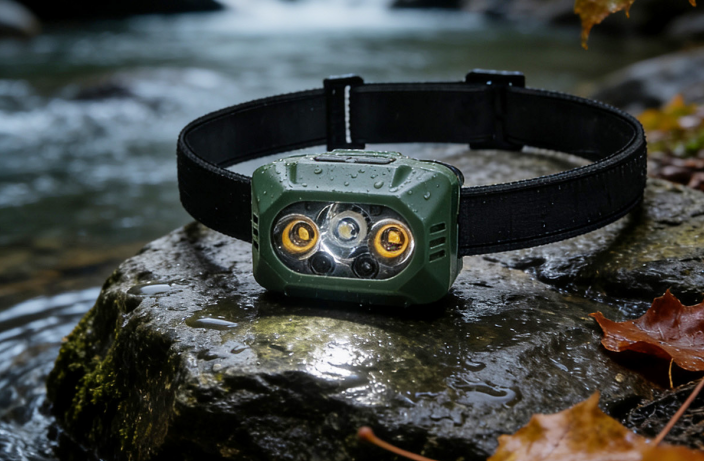
When selecting a rechargeable headlamp for industrial use, understanding key features can significantly impact your choice. Let’s dive into the essential aspects that make a headlamp suitable for demanding environments.
Brightness and Beam Distance
Understanding Lumens and Their Impact
Brightness is measured in lumens, and it plays a crucial role in how effectively a headlamp illuminates your workspace. For industrial tasks, I recommend looking for headlamps with at least 500 lumens. However, many professionals prefer models that exceed 1000 lumens for optimal visibility.
Here’s a quick reference table to illustrate the brightness levels and their corresponding beam distances:
| Brightness Level | Beam Distance |
|---|---|
| 500+ lumens | Not specified |
| 1000+ lumens | Over 200 meters |
Flood vs. Spot Beam Patterns
The beam pattern is just as important as brightness. Flood beams provide wide illumination, making them ideal for general tasks. Spot beams, on the other hand, focus light over longer distances, which is essential for tasks requiring precision. I often find that a combination of both patterns offers the best versatility in various industrial settings.
Durability and Build Quality
Impact Resistance and Materials
Durability is non-negotiable in industrial environments. I’ve seen headlamps made from high-grade aluminum and reinforced plastics that withstand wear and tear exceptionally well. These materials not only enhance impact resistance but also ensure longevity. Many models comply with military-grade standards, which adds an extra layer of reliability.
- High-grade aluminum and reinforced plastics provide superior resistance to wear and tear.
- Shock-absorbing designs enhance impact resistance, making headlamps reliable in construction settings.
- Models made from high impact non-corroding ABS plastic resist chemical erosion, crucial for hazardous environments.
Water and Dust Protection (IP Ratings)
Another critical aspect is the headlamp’s protection against water and dust. Look for models with IP ratings of at least IP66 or IP68. These ratings indicate that the headlamp can withstand harsh environmental conditions, ensuring reliability and safety during use.
- Typical IP ratings for industrial-grade headlamps include IP66 and IP68.
- These ratings indicate protection against dust and water ingress.
Comfort and Fit for Extended Wear
When I wear a headlamp for long hours, comfort becomes just as important as brightness or battery life. A headlamp that feels heavy or pinches your head can quickly become a distraction. I’ve learned that two main factors make a big difference: adjustable straps and the overall weight of the headlamp.
Adjustable Straps and Weight
A good headlamp comes with straps that you can adjust easily. I look for padded contact zones at the crown and back of the head. These pads help reduce pressure points that cause headaches or soreness after hours of use. Wider straps spread the weight evenly across your head, so no single spot feels too tight or heavy. This even weight distribution also helps reduce neck strain, especially when the headlamp is front-heavy.
Here’s what I’ve found makes a headlamp comfortable during extended wear:
- Padded and adjustable straps keep the fit secure without squeezing too hard.
- Wider straps distribute weight evenly, reducing pressure on your forehead.
- Balanced strap systems prevent neck strain by keeping the headlamp stable.
- Breathable materials in the straps help manage sweat and keep your head cool.
I also want to share a quick table that shows the ergonomic features industrial workers value most for comfort and fit:
| Ergonomic Feature | Description |
|---|---|
| Even weight distribution | Reduces neck strain |
| Improved stability during physical activity | Enhances safety and usability during movement |
| Comfortable for long-duration use | Designed for extended wear without discomfort |
| Compatibility with hard hats and helmets | Ensures usability in various industrial settings |
| Padded and adjustable headbands | Provides a secure and comfortable fit |
| Lightweight construction (<200g) | Minimizes fatigue during long shifts |
| Anti-slip headbands | Ensures stability during climbing or crouching |
This table sums up what I look for when choosing a rechargeable headlamp for long shifts. If the headlamp weighs less than 200 grams, it feels much easier to wear all day. Plus, anti-slip bands keep it from sliding around when I move or bend down.
Sweat Resistance and Breathability
No one likes a sweaty head, especially when working in hot or humid conditions. I always check if the headlamp straps use breathable, moisture-wicking materials. These fabrics pull sweat away from your skin and let air flow through, which keeps you cooler and more comfortable.
Sweat resistance matters because it prevents irritation and keeps the headlamp from slipping. When straps soak up sweat, they can become uncomfortable and cause distractions. Breathable straps also dry faster, so you don’t have to deal with dampness during your next shift.
In my experience, headlamps with sweat-resistant straps make a huge difference in comfort. They help me stay focused on the job without constantly adjusting my gear. If you work in warm environments or do physically demanding tasks, this feature is a must-have.
Tip: Look for headlamps with mesh or perforated straps. These designs improve airflow and reduce sweat buildup, making your workday much more pleasant.
To wrap up, comfort and fit are not just about feeling good. They directly affect your safety and efficiency on the job. A well-designed rechargeable headlamp that balances weight, offers adjustable padded straps, and manages sweat will keep you working longer and better.
Types of High-Lumen Rechargeable Headlamps
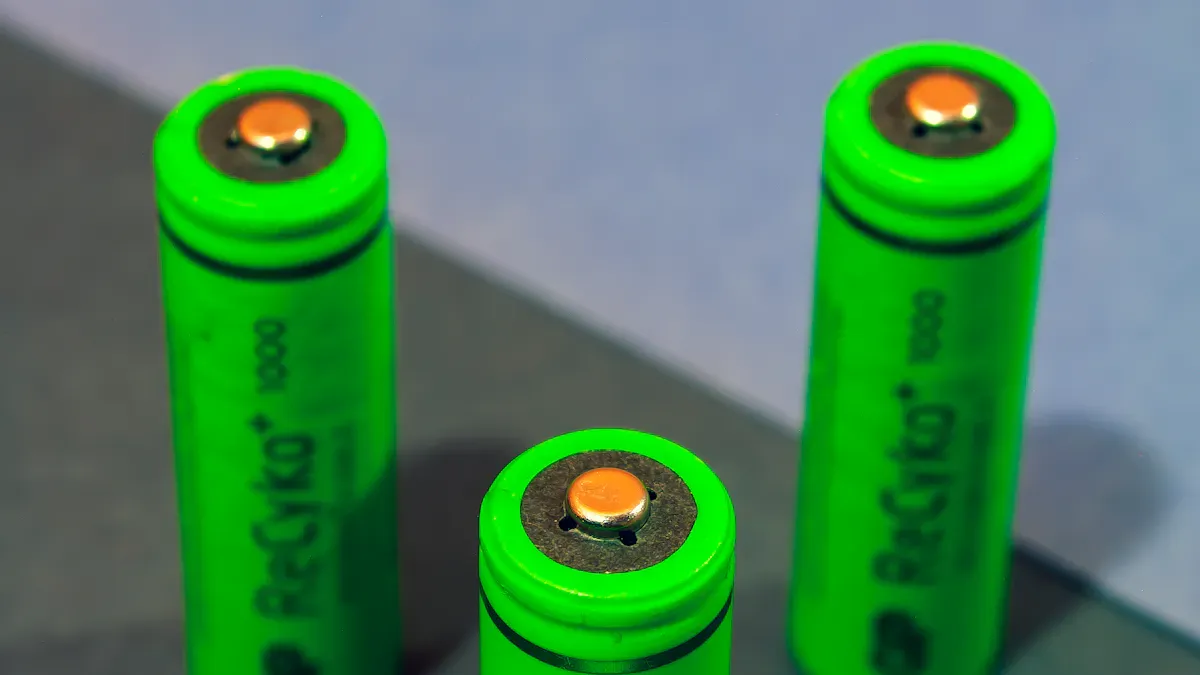
When it comes to high-lumen rechargeable headlamps, I’ve found that the type of technology used can significantly affect performance. Let’s explore the three main types: LED, COB, and hybrid headlamps.
LED Rechargeable Headlamps
Advantages of LED Technology
LED technology has become the go-to choice for many industrial applications. I’ve noticed that around 80% of industrial headlamps utilize LEDs. This shift is largely due to their energy efficiency and long lifespan. Here are some key advantages I appreciate:
- Longevity: LEDs last between 25,000 to 50,000 hours, which means fewer replacements and lower maintenance costs.
- Energy Efficiency: They consume less power, making them ideal for extended use without draining batteries quickly.
- Safety Compliance: Many industries are moving towards LED technology to meet energy efficiency targets and comply with government initiatives promoting sustainable lighting.
Energy Efficiency and Brightness Control
One of the standout features of LED headlamps is their ability to provide bright light while conserving energy. I often find that they offer excellent brightness control, allowing me to adjust the intensity based on my needs. This flexibility is crucial in industrial settings where lighting requirements can vary significantly.
COB Rechargeable Headlamps
Uniform Light Distribution
COB (Chip on Board) technology is another fantastic option for industrial headlamps. I’ve seen that these models provide uniform light distribution, which is essential for tasks requiring clear visibility. The light output can reach up to 100 lumens per watt, significantly outperforming traditional LED models, which typically range from 20 to 50 lumens per watt.
Industrial Use Cases
COB headlamps excel in environments where even lighting is critical. For instance, I’ve used them in assembly lines and maintenance work, where shadows can create hazards. Their design minimizes glare and ensures that I can see every detail clearly, enhancing safety and efficiency.
Hybrid Rechargeable Headlamps
Combining LED and COB Features
Hybrid headlamps combine the best of both worlds. They offer the focused beam of LEDs and the wide illumination of COB technology. I’ve found this versatility invaluable, especially when I need to switch between tasks that require different lighting styles.
Versatility for Multiple Tasks
For example, models like the ACTIK & ACTIK CORE provide up to 600 lumens with a wide beam for close-range visibility and a mixed beam for distance. This adaptability makes them perfect for various industrial applications, from construction sites to emergency response scenarios.
Tip: When selecting a hybrid headlamp, consider your specific needs. Look for features that allow you to easily transition between focused and wide-area illumination.
Power Sources in Rechargeable Headlamps
Built-in Rechargeable Batteries
Convenience and Portability
I really appreciate headlamps with built-in rechargeable batteries because they offer great convenience. You don’t have to worry about carrying extra batteries or swapping them out during work. These headlamps are usually lighter and more compact, which makes them easy to wear for long hours. When I’m on the move or working in tight spaces, having a rechargeable headlamp with a built-in battery feels hassle-free and portable.
Replacement and Lifespan Considerations
That said, built-in batteries do have a lifespan. Typically, lithium-ion batteries last about 3 to 5 years before you might need a replacement. Replacing these batteries can cost between $30 and $80. So, while you save time by not changing batteries daily, you should plan for eventual replacement costs. Also, if the battery fails in the field and you can’t swap it out, it might cause downtime. For this reason, I usually recommend built-in batteries when charging options are reliable and downtime is less of a concern.
Removable Rechargeable Batteries
Flexibility and Extended Use
Removable batteries offer a different kind of freedom. I’ve noticed that many HVAC-R technicians prefer headlamps with removable 18650 batteries because they can carry spares and swap them quickly during long shifts. This flexibility reduces downtime since you don’t have to stop and wait for a recharge. If you work in remote areas or places without easy access to power, removable batteries can keep you going longer without interruptions.
Maintenance and Cost Factors
On the flip side, removable batteries require more maintenance. You have to keep track of spare batteries, charge them regularly, and replace them when they wear out. The upfront cost might be higher, but the ability to extend your work time often outweighs this. Just remember that if you lose or damage a battery, replacing it adds to your expenses. Still, for many industrial workers, the trade-off is worth it.
USB Charging vs. Docking Stations
Charging Convenience On-the-Go
USB charging has become my favorite way to power up a rechargeable headlamp. It’s simple and works with power banks, laptops, or car chargers. This means I can recharge my headlamp almost anywhere, which is perfect for jobs that take me offsite or on the road. USB charging also tends to be faster than older methods, so I spend less time waiting and more time working.
Suitability for Industrial Environments
Docking stations, on the other hand, offer a neat and organized way to charge multiple headlamps at once. They work well in workshops or facilities where workers return regularly. Docking stations help keep gear ready and reduce the chance of losing chargers. However, they are less flexible if you need to charge on the go. For industrial environments, I think the choice depends on your workflow. If you move around a lot, USB charging wins. If you stay mostly in one place, docking stations keep things tidy and efficient.
Here’s a quick look at how different power sources affect costs over time:
| Power Source Type | Cost Implications |
|---|---|
| Lithium-ion Batteries | Replacement costs every 3-5 years ($30-$80) |
| Corded Work Lights | Minimal operational costs beyond electricity usage |
| Improved Battery Technology | Extended replacement intervals, reduced long-term costs |
Choosing the right power source can save money and boost productivity. I’ve seen how a rechargeable headlamp with the right battery setup keeps work flowing smoothly and cuts down on frustrating downtime.
Selecting Rechargeable Headlamps for Specific Industrial Applications
When it comes to choosing the right rechargeable headlamp for specific industrial applications, I’ve learned that each field has its unique requirements. Let’s break down what to look for in headlamps for construction, electrical work, and mining operations.
Construction and Heavy Machinery
High Brightness and Impact Resistance
In construction, I often find myself in environments where visibility is crucial. High brightness is a must. I recommend looking for headlamps that offer at least 1000 lumens. This level of brightness ensures I can see clearly, even in dimly lit areas.
Impact resistance is equally important. I’ve seen headlamps that meet IP68 ratings, which means they can withstand dust and water. This durability is essential when working around heavy machinery and in unpredictable weather conditions. Here’s a quick reference table summarizing the key features I look for:
| Feature | Description |
|---|---|
| Durability | Headlamps should have an IP68 rating for dust and water resistance, crucial for tough conditions. |
| Brightness | High lumens for spotlights are essential for long-range visibility, while floodlights are better for close-range tasks. |
| Versatility | Multi-mode options allow switching between flood and spotlight, catering to various job site needs. |
Long Battery Life for Extended Shifts
Long shifts are common in construction, so I always prioritize battery life. A headlamp that lasts through an entire workday without needing a recharge is invaluable. I’ve found that models with lithium-ion batteries often provide the best performance, lasting anywhere from 5 to 10 hours on high settings. This reliability means I can focus on my tasks without worrying about my light failing.
Electrical and Maintenance Work
Focused Beam and Adjustable Brightness
In electrical and maintenance work, I need precision. A focused beam is essential for illuminating tight spaces and intricate details. I prefer headlamps that allow me to adjust brightness levels. This feature helps me conserve battery life when I don’t need maximum brightness.
Regular inspections of rechargeable headlamps are vital for ensuring technician safety and operational efficiency. These inspections help identify potential issues before they lead to failures during critical tasks. Properly maintained headlamps ensure visibility in dark spaces and provide reliable emergency lighting.
Gear is the most important contributor to safety. Having the appropriate tools and equipment enhances efficiency and significantly improves your team’s safety.
Safety Certifications and Insulation
Safety certifications are non-negotiable in this field. I always check for headlamps that meet industry standards for electrical safety. Insulation is also crucial, especially when working near live wires. A headlamp with proper insulation protects me from electrical hazards, allowing me to work confidently.
Mining and Underground Operations
Maximum Lumens and Wide Beam Spread
Mining operations present unique challenges. I’ve learned that high-lumen headlamps are essential here, often delivering between 10,000 to 120,000 lumens. This brightness is necessary for navigating dark tunnels and ensuring safety. A wide beam spread is also crucial, as it allows me to see my surroundings clearly, reducing the risk of accidents.
Here’s a table summarizing the unique lighting requirements for mining:
| Lighting Requirement / Feature | Explanation / How High-Lumen Headlamps Address It |
|---|---|
| Durability | Equipment designed with high resistance to dust, water, vibration (e.g., IP69 and IK10 ratings) ensures reliable operation in harsh mining environments. |
| Safety | High Color Rendering Index (CRI) above Ra75 improves color perception for hazard identification and signage reading. |
| Energy Efficiency | Options include hybrid or solar power sources reducing refueling needs and downtime, supporting continuous operation. |
| Adequate Illumination | Headlamps deliver adjustable beam angles from 60° spot to 140° flood, enabling both long-distance tunnel navigation and close-proximity work. |
| Adaptability to Task Requirements | Multi-function designs allow switching beam patterns on the fly, supporting varied mining tasks from detailed inspections to broad area lighting. |
Ruggedness and Water Resistance
Ruggedness is a must in mining. I look for headlamps that can withstand harsh conditions, including dust and moisture. Models with sealed electrical components and anti-corrosion protection are ideal. This durability ensures that my headlamp remains operational, even in the toughest environments.
Manufacturing and Assembly Lines
In manufacturing and assembly lines, I’ve found that lightweight and comfortable designs are essential. When I’m working on tasks that require precision and focus, I want a headlamp that doesn’t weigh me down. A headlamp that feels heavy can lead to fatigue, especially during long shifts.
Lightweight and Comfortable Designs
I always look for headlamps that weigh less than 200 grams. This weight makes a significant difference when I wear it for hours. A comfortable fit is crucial, so I prefer models with adjustable straps and padded contact points. These features help distribute the weight evenly across my head, reducing pressure and allowing me to concentrate on my work without distractions.
Here’s a quick reference table summarizing the key features I value in headlamps for manufacturing:
| Feature | Description |
|---|---|
| Weight | Lightweight designs reduce fatigue |
| Adjustable Straps | Ensure a secure and comfortable fit |
| Padded Contact Points | Minimize pressure on the forehead |
Adjustable Lighting Modes for Precision
Adjustable lighting modes are another feature I can’t overlook. In assembly lines, I often need to switch between different lighting intensities. A headlamp that offers multiple brightness settings allows me to adapt to various tasks, whether I’m working on intricate details or illuminating a larger area.
For instance, I might use a lower brightness setting for close-up work to avoid glare, while switching to a higher setting when I need to see further away. This flexibility not only enhances my efficiency but also helps conserve battery life, which is always a plus.
Emergency and Safety Personnel
When it comes to emergency and safety personnel, I know that quick recharge and multiple light modes are critical. In high-pressure situations, having a reliable headlamp can make all the difference.
Quick Recharge and Multiple Light Modes
I’ve learned that headlamps designed for emergency use often feature quick recharge capabilities. This means I can get back to work faster without worrying about downtime. Multiple light modes are also essential. I prefer headlamps that offer a variety of settings, such as high, low, and strobe modes. This versatility allows me to adapt to different scenarios, whether I need steady illumination or a flashing signal for visibility.
Here’s a table that outlines the most critical features for emergency personnel when selecting rechargeable headlamps:
| Feature | Description | Importance |
|---|---|---|
| Brightness (Lumens) | Determines the intensity of the light | Ensures visibility |
| Beam Distance | Distance the light can reach | Affects navigation and spotting capabilities |
| Battery Life | Duration of use on a single charge | Critical for extended use |
| Weight and Comfort | Overall ease of use and wear | Reduces fatigue during long-term use |
| Durability | Ability to withstand tough conditions | Essential for harsh environments |
| Water Resistance | Resistance to water exposure | Crucial for wet conditions |
Visibility and Signaling Features
Visibility is paramount in emergency situations. I always look for headlamps that provide excellent beam distance and brightness. A headlamp with a high lumen output ensures that I can see clearly and be seen by others. Additionally, signaling features like strobe modes can alert others to my presence, which is vital in emergencies.
In my experience, ease of use is crucial, especially in emergencies. Intuitive controls allow me to switch settings quickly without fumbling around. Battery life indicators are also important; I want to know how much power I have left, so I’m never caught off guard.
Tip: When selecting a tactical headlamp, consider the intended use, environmental conditions, battery type, and adjustability of brightness and beam patterns. These factors ensure that the headlamp meets specific operational needs and performs effectively in various situations.
Additional Features to Enhance Industrial Rechargeable Headlamp Performance
When I look for a rechargeable headlamp, I always consider additional features that can enhance its performance. These features can make a significant difference in usability and efficiency, especially in demanding industrial environments.
Smart Controls and Programmable Settings
Smart controls and programmable settings have become game-changers for me. They allow me to customize my headlamp for different tasks and environments. For instance, I appreciate the ability to set programmable profiles. This feature lets me switch between different brightness levels and modes based on what I need at the moment.
Here’s a quick look at some benefits of these smart features:
| Feature | Benefit |
|---|---|
| Programmable profiles | Allows users to customize settings for different tasks and environments. |
| Battery level indicators | Provides real-time information on battery status, enhancing usability. |
| Automatic mode selection | Adjusts settings based on the environment, improving efficiency. |
I’ve found that adjustable brightness levels and motion sensors enhance convenience. The headlamp can automatically adjust its output based on my surroundings, which significantly improves my situational awareness.
Red Light and Night Vision Modes
Red light modes are another feature I find incredibly useful. They help preserve my night vision, which is crucial when working in low-light conditions. I learned that red light minimizes interference with the eye’s dark adaptation process. This means I can perform tasks without losing my ability to see in the dark.
Red light mode in headlamps offers key physiological benefits for preserving night vision by minimizing interference with the eye’s dark adaptation process. The human eye’s rods, responsible for scotopic vision in low light, rely on the photopigment rhodopsin to function effectively; exposure to bright white light rapidly decays this pigment, effectively resetting dark adaptation and requiring 20 to 40 minutes for full recovery in complete darkness. In contrast, dim red light does not trigger significant rhodopsin decay because rods are relatively insensitive to wavelengths longer than approximately 600 nm, allowing users to perform tasks under illumination while retaining much of their adapted night vision.
While red light may appear dimmer than white light, it enhances my peripheral awareness and reduces glare. However, I keep in mind that it can distort colors, making it unsuitable for tasks requiring color differentiation.
Heat Dissipation and Overheat Protection
Heat dissipation technology is vital for the longevity and safety of my headlamp. I’ve noticed that headlamps equipped with heat sinks prevent overheating, which enhances both LED lifespan and battery life.
Here’s how different features impact longevity and safety:
| Feature | Impact on Longevity and Safety |
|---|---|
| Heat sinks | Prevent overheating, enhancing LED lifespan and battery life. |
| Ventilation grooves | Allow for better airflow, reducing heat buildup. |
| Passive cooling fins | Help dissipate heat effectively, maintaining consistent brightness. |
| Dynamic power regulation | Automatically reduces output to prevent overheating. |
These features ensure that my headlamp remains reliable, even during extended use. I can focus on my tasks without worrying about my light failing due to overheating.
Warranty and Customer Support
When I invest in a high-lumen rechargeable headlamp for industrial use, I always consider the warranty and customer support options. These factors can make a big difference in my overall satisfaction with the product. A solid warranty gives me peace of mind, knowing that I’m covered if something goes wrong.
I’ve found that many reputable brands offer a Limited Lifetime Warranty on their headlamps. This typically means they’ll repair, replace, or refund the product if it has defects, excluding issues like normal wear and tear or damage from misuse. Here’s a quick look at the warranty details I often see:
| Warranty Type | Duration | Coverage Details |
|---|---|---|
| Limited Lifetime Warranty | Lifetime | Free of defects except for batteries, bulbs, abuse, and normal wear. Repair, replace, or refund. |
| Rechargeable Batteries and Chargers | 2 years | Coverage with proof of purchase. |
| Customer Support Options | N/A | Online service requests, authorized service centers, and contact for inquiries. |
I appreciate that many brands also provide a warranty for rechargeable batteries and chargers, usually lasting around two years. This coverage is essential since these components can wear out over time. Having that extra layer of protection means I can focus on my work without worrying about unexpected costs.
Customer support is another aspect I value. I want to know that help is available if I encounter issues. Most companies offer various support options, including online service requests and access to authorized service centers. I’ve found that being able to reach out for assistance quickly can save me a lot of headaches down the line.
Tip: Always keep your proof of purchase handy. It’s crucial for warranty claims and customer support inquiries.
In my experience, a good warranty and responsive customer support can enhance my overall experience with a headlamp. I feel more confident in my purchase when I know I have support if I need it. So, before making a decision, I recommend checking the warranty terms and customer support options. This way, I can ensure I’m making a wise investment in my industrial lighting needs.
Selecting the right high-lumen rechargeable headlamp involves considering several essential features. I always prioritize brightness, battery life, and durability. A good headlamp should balance these aspects while ensuring comfort for extended wear.
When choosing a headlamp, align your selection with your specific industrial tasks. For example, if you work in construction, look for models with high brightness and impact resistance.
Here are some final tips for making an informed purchase decision:
- Focus on quality and reliability.
- Research market demand to align your choices.
- Consider pricing strategies for better value.
- Ensure strong customer service from suppliers.
By keeping these factors in mind, you can find a reliable rechargeable headlamp that meets your needs.
Remember, investing in a quality headlamp enhances safety and efficiency on the job.
FAQ
What are lumens, and why are they important for headlamps?
Lumens measure brightness. For industrial tasks, I recommend headlamps with at least 500 lumens. Higher lumens ensure better visibility in dark or dimly lit environments.
How long do rechargeable headlamp batteries last?
Battery life varies by model. Most high-quality headlamps last between 2.8 to 10 hours on high settings. Always check the specifications for runtime details.
Can I use my headlamp in wet conditions?
Absolutely! Look for headlamps with an IP rating of at least IP66 or IP68. These ratings indicate water and dust resistance, making them suitable for harsh environments.
Are there headlamps with adjustable brightness?
Yes! Many headlamps offer adjustable brightness settings. This feature allows me to conserve battery life and adapt the light intensity based on my specific needs.
How do I charge my rechargeable headlamp?
Most headlamps come with USB charging options. I can charge them using power banks, laptops, or car chargers, making it convenient for on-the-go use.
What should I consider for comfort during long shifts?
I prioritize headlamps with adjustable straps, padded contact points, and lightweight designs. These features help reduce fatigue and ensure a comfortable fit throughout my workday.
Do I need to replace the batteries in built-in headlamps?
Yes, built-in batteries typically last 3 to 5 years. When they wear out, I may need to replace the entire headlamp, so it’s essential to consider this when purchasing.
What warranty options should I look for?
I recommend checking for a limited lifetime warranty. This coverage usually protects against defects, giving me peace of mind with my investment in a quality headlamp.
Post time: Mar-25-2026


