 fannie@nbtorch.com
 +0086-0574-28909873



Efficient purchasing of rechargeable headlamps provides significant advantages for both consumers and businesses. By opting for wholesale LED headlamp solutions, organizations can enjoy deeper discounts, increased profit margins, and reduced shipping costs. These benefits enhance overall cost savings while ensuring access to high-quality products. Furthermore, rechargeable LED headlamps promote sustainability and superior performance, making them ideal for outdoor lighting applications. Investing in OEM LED headlamps not only supports environmental initiatives but also meets the increasing demand for reliable lighting solutions.
Key Takeaways
- Rechargeable headlamps save money over time by eliminating the need for frequent battery replacements.
- Switching to rechargeable models reduces battery waste, helping the environment by preventing millions of batteries from being disposed of each year.
- Convenience is key; rechargeable headlamps can be easily charged via USB, making them ideal for outdoor activities.
- Look for headlamps with high brightness levels (measured in lumens) to ensure they meet your specific lighting needs.
- Durability matters; choose headlamps with waterproof ratings to withstand harsh conditions during outdoor use.
- When buying in bulk, negotiate pricing with suppliers to maximize savings and ensure quality products.
- Evaluate suppliers based on their warranty offerings and customer support to ensure reliable service.
- Consider the long-term benefits of investing in high-quality rechargeable headlamps for both personal and professional use.
Benefits of Rechargeable Headlamps
Cost-Effectiveness
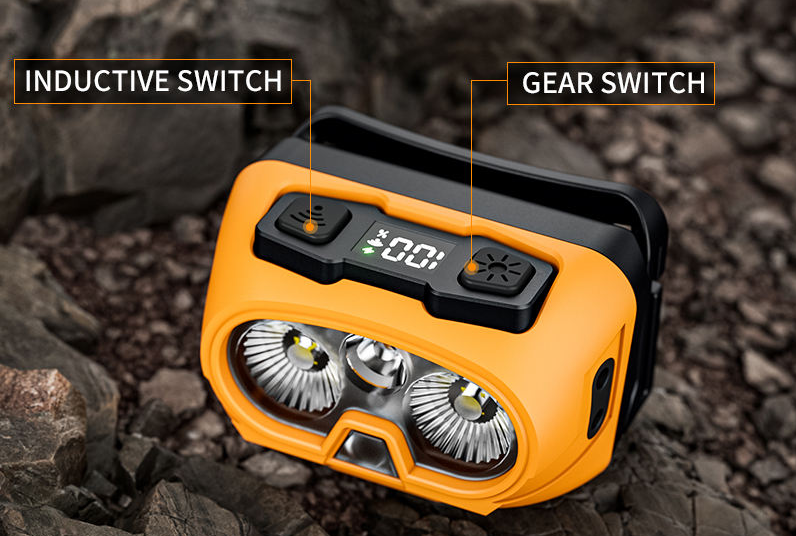
Rechargeable headlamps offer significant cost savings over time. Although the initial purchase price may be higher than that of disposable battery headlamps, the long-term financial benefits are substantial. For instance, a disposable battery headlamp costs approximately $71.99 initially, with an annual battery replacement cost of around $109.20. In contrast, a rechargeable headlamp, priced at $109.99, incurs only about $52.00 in charging costs annually. This results in a total cost of $161.99 for the disposable option compared to $161.99 for the rechargeable option over one year.
| Type of Headlamp | Initial Cost | Annual Battery Cost | Total Cost Over 1 Year |
|---|---|---|---|
| Disposable Battery Headlamp | $71.99 | $109.20 | $181.19 |
| Rechargeable Headlamp | $109.99 | $52.00 | $161.99 |
The savings from not needing to purchase disposable batteries frequently make rechargeable headlamps a more economical choice. Users can expect to save significantly, especially if they use their headlamps regularly.
Environmental Impact
The environmental benefits of rechargeable headlamps are noteworthy. By switching to these models, users can help reduce battery waste significantly. In the United States alone, transitioning to rechargeable batteries can prevent the disposal of approximately 1.5 billion batteries each year. This reduction highlights the positive impact of rechargeable LED headlamps on the environment.
Rechargeable headlamps also contribute to less pollution. They contain fewer toxic materials compared to disposable batteries, which minimizes soil and water contamination. Additionally, recharging these headlamps requires less energy than producing new batteries, leading to lower carbon emissions.
| Advantage | Description |
|---|---|
| Reduced waste | Rechargeable headlamps generate less waste compared to disposable ones. |
| Less pollution | They contain fewer toxic materials, minimizing soil and water pollution. |
| Energy efficiency | Recharging requires less energy than producing new batteries, lowering carbon emissions. |
Convenience and Usability
Rechargeable headlamps excel in convenience and usability, making them ideal for frequent users. They eliminate the need for spare batteries, allowing for easy recharging via USB or power bank. This feature is particularly beneficial for outdoor enthusiasts who may not have access to traditional power sources.
Moreover, rechargeable headlamps provide consistent performance throughout their charge cycle. Unlike alkaline batteries, which diminish in brightness over time, rechargeable models maintain stable illumination. This reliability is crucial in emergency situations where dependable lighting is essential.
Rechargeable headlamps are also designed with user comfort in mind. They are lightweight and feature adjustable straps, ensuring comfort during prolonged use. This design makes them suitable for various applications, from outdoor adventures to emergency preparedness.
Rechargeable LED headlamps, such as the HM61R V2.0, demonstrate these advantages well. With a maximum output of 1600 lumens and multiple lighting modes, they cater to both outdoor enthusiasts and emergency responders. Their long-lasting rechargeable battery can provide illumination for up to 300 hours on Eco mode, making them a reliable choice for diverse lighting needs.
Key Features of Rechargeable Headlamps
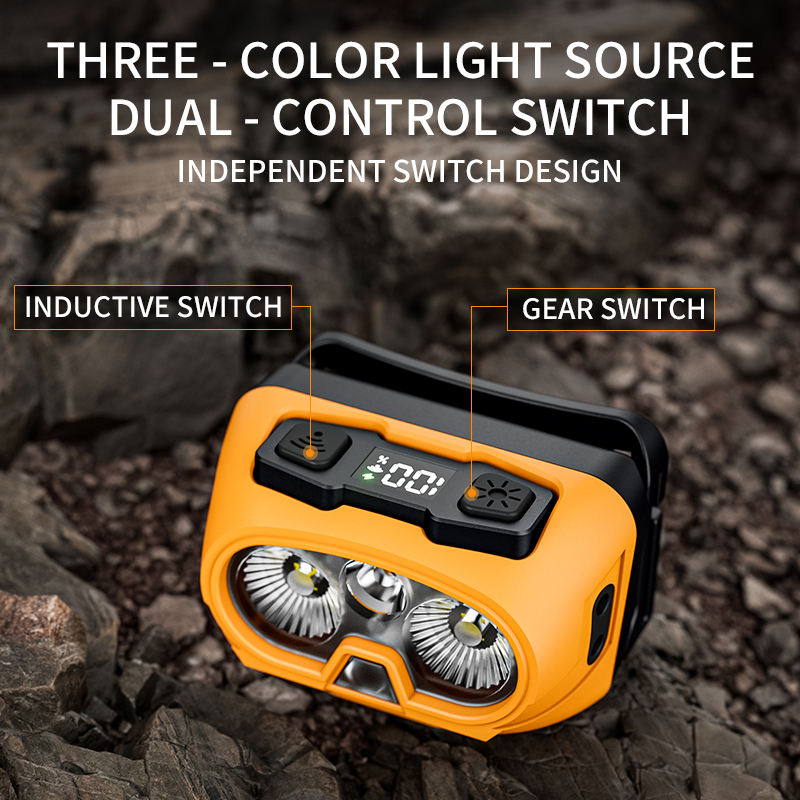
Battery Life
Charging Time
The charging time of a rechargeable headlamp significantly impacts its usability. Most modern models feature rapid charging capabilities, allowing users to recharge their headlamps in a matter of hours. For instance, USB-C rechargeable headlamps can fully charge in as little as 2 to 4 hours. This quick turnaround is particularly beneficial for bulk buyers in industries like mining and construction, where headlamps must endure harsh conditions and extended use. The preference for these models stems from their ability to maintain operational efficiency in demanding environments.
Lifespan
The lifespan of a rechargeable headlamp’s battery is another critical factor. High-quality lithium-ion batteries typically last for several hundred charge cycles, ensuring long-term reliability. Users can expect a lifespan of 2 to 5 years, depending on usage patterns and care. This longevity not only enhances the overall value proposition for bulk buyers but also reduces the frequency of replacements, contributing to cost savings.
Brightness and Lumens
Brightness is a key feature that determines the effectiveness of a rechargeable headlamp. Measured in lumens, the brightness level influences the suitability of headlamps for various applications. Here is a comparison of some popular models and their brightness levels:
| Model Name | Brightness (Lumens) |
|---|---|
| SUPERFIRE HL08 High Brightness | 1900 |
| SUPERFIRE HL107 Sensor Headlamp | 1500 |
| SUPERFIRE HL31 High Brightness | 2300 |
Different brightness levels cater to specific needs. For example, headlamps with 100–300 lumens are ideal for close-range tasks like reading or indoor repairs. In contrast, those with 1000+ lumens are suitable for search and rescue operations or industrial inspections.
| Brightness Level | Suitable Applications |
|---|---|
| 100–300 lumens | Close-range tasks like reading, camping, or indoor repairs |
| 500–1000 lumens | Outdoor activities, security patrols, and general fieldwork |
| 1000+ lumens | Search and rescue, industrial inspections, or long-distance spotlighting |
Durability and Build Quality
Durability is paramount for rechargeable headlamps, especially in rugged environments. Manufacturers use high-quality materials to enhance durability, ensuring that headlamps can withstand falls and rough usage. Key features include:
- Waterproofing to protect against the elements.
- Robust design elements to endure harsh conditions.
- High demand for reliable performance across various applications.
The durability ratings of rechargeable LED headlamps vary among leading brands. Common waterproof ratings include IPX6 and IPX7, which are essential for outdoor use. Additionally, models with a lumen output of 2000 or higher are preferred for their brightness and reliability.
| Feature | Description |
|---|---|
| Waterproof Rating | Common ratings include IPX6 and IPX7, essential for outdoor use. |
| Lumen Output | Models with 2000 lumens or higher are preferred for brightness. |
| Durability Focus | High demand for reliable performance in various conditions. |
Investing in a durable rechargeable headlamp ensures that users receive a product capable of withstanding the rigors of outdoor adventures or professional use.
Comparing Top Wholesale Suppliers
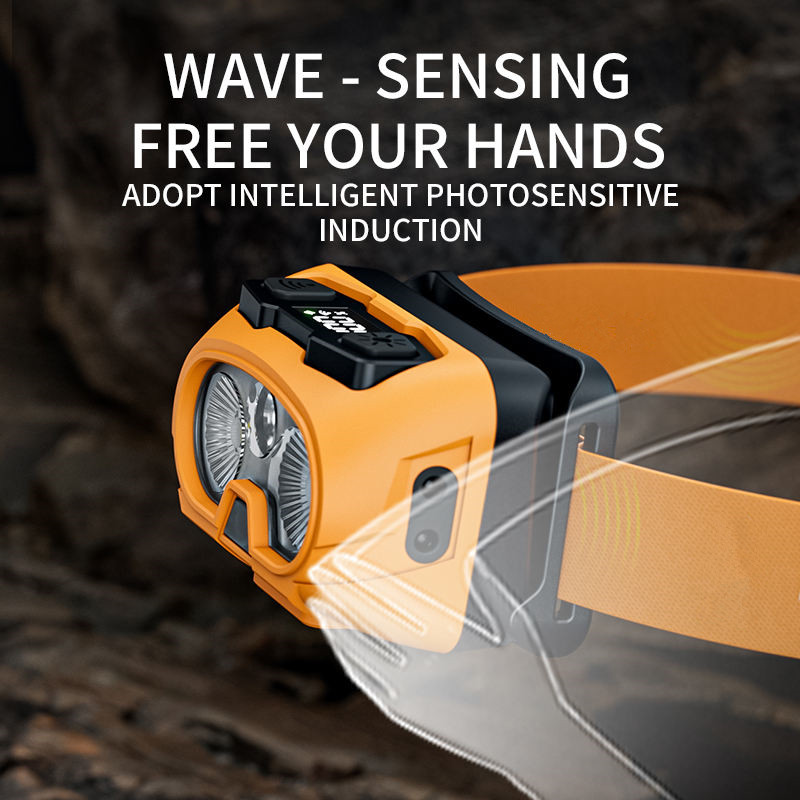
Supplier A Overview
Supplier A stands out for its extensive range of rechargeable LED headlamps. They focus on providing high-quality products at competitive prices. Key features include:
- Diverse Product Line: Offers various models suitable for different applications, from outdoor adventures to professional use.
- Strong Customer Support: Provides comprehensive support, ensuring customers can easily resolve any issues.
- Flexible Payment Options: Allows bulk buyers to choose payment plans that suit their financial needs.
Supplier B Overview
Supplier B excels in warranty and support structures, which significantly benefit wholesale buyers. Their offerings include:
- Back-to-Back Warranties: Resellers can provide the same warranty to customers, simplifying the process while potentially increasing liability.
- Equivalent-Relief Warranties: Limit reseller obligations to what the supplier owes, protecting them from excessive claims.
- Assignable Warranties: Enable resellers to transfer warranty rights to customers, streamlining claims but may limit reseller control.
- Indemnity-Backed Warranties: Protect resellers against claims due to supplier faults, fostering collaboration but requiring careful negotiation.
These features make Supplier B a reliable choice for businesses looking to minimize risk while maximizing customer satisfaction.
Supplier C Overview
Supplier C offers several advantages for bulk rechargeable LED headlamp purchases. Their strengths include:
| Advantage | Description |
|---|---|
| Cost Savings Over Time | Rechargeable headlamps eliminate the ongoing expense of buying replacement batteries. |
| USB Charging Compatibility | Supports charging via laptops, power banks, car chargers, or wall adapters, ideal for various uses. |
| Reduced Environmental Impact | Minimizes hazardous waste and lowers the carbon footprint associated with battery production. |
| Consistent Performance | Provides stable voltage output for consistent brightness throughout the charge cycle. |
| Smart Features | Includes battery level indicators, multiple brightness modes, and low-battery warnings for control. |
Additionally, Supplier C’s delivery and logistics performance often exceeds industry standards. They maintain on-time delivery rates above 98%, ensuring reliability and customer satisfaction. Regular comparisons validate their operational standings, confirming their commitment to excellence.
By evaluating these suppliers, businesses can make informed decisions that align with their needs and values. Each supplier offers unique benefits, making it essential to consider specific requirements when selecting a wholesale partner.
Tips for Maximizing Efficiency
Bulk Purchasing Strategies
Organizations can implement several strategies to maximize cost savings when purchasing rechargeable LED headlamps in bulk. Consider the following approaches:
- Quality and Reliability: Prioritize headlamps known for their durability and efficient battery performance. This focus reduces return rates and enhances customer satisfaction.
- Market Demand and Consumer Trends: Conduct regular market research to align inventory with seasonal demand and consumer preferences. Understanding trends helps in making informed purchasing decisions.
- Pricing Strategy and Profit Margins: Negotiate tiered pricing with suppliers based on order volume. Discounts often start at 1,000 units and can reach up to 25% off for large purchases, significantly lowering per-unit costs.
- Shipping, Logistics, and Inventory Management: Choose suppliers with transparent shipping terms. Consider local distributors to minimize shipping costs and improve delivery times.
- Customer Service and Supplier Support: Select suppliers who offer strong after-sales support. Reliable customer service builds trust and encourages repeat purchases.
Evaluating Supplier Reliability
Evaluating the reliability of wholesale suppliers is crucial for ensuring consistent quality and service. Here are key criteria to consider:
- Confirm product compatibility with your specific needs.
- Request a full specification sheet, including lumen output and IP rating.
- Verify certification claims through official databases.
- Ask for a sample unit at your cost to assess quality.
- Inspect packaging for moisture protection indicators.
- Clarify lead times in days, not weeks, to avoid delays.
- Obtain warranty terms in writing, detailing duration, coverage, and return processes.
- Review the supplier’s historical transaction data, focusing on on-time delivery rates and reorder percentages.
- Discuss after-sales communication channels and response times.
- Review contracts for minimum order quantities (MOQ), payment terms, and liability clauses.
Reliable suppliers often reflect high ratings, indicating their commitment to quality products and customer support. These factors are essential for maintaining operational efficiency and customer satisfaction.
Understanding Warranty and Support
After-sales support plays a vital role in customer satisfaction within the rechargeable LED headlamp wholesale market. Wholesalers should collaborate with suppliers who provide robust warranties and reliable service. Such support fosters trust and loyalty among clients, significantly enhancing long-term success.
A well-defined warranty can protect businesses from potential losses due to product failures. It also reassures customers about the quality of their purchases. Therefore, understanding warranty terms and ensuring strong supplier support is critical for building lasting relationships and achieving operational success.
By implementing these strategies, organizations can maximize efficiency and ensure they make informed decisions when purchasing rechargeable LED headlamps.
Real-World Applications of Rechargeable Headlamps



Outdoor Activities
Rechargeable headlamps serve as essential tools for outdoor enthusiasts. They provide hands-free lighting, allowing users to navigate trails, set up camps, or cook meals after dark. Their lightweight and compact design makes them easy to carry in backpacks. Many models offer multiple brightness settings, catering to various activities such as hiking, fishing, or climbing. Users can enjoy the freedom of movement without the hassle of holding a flashlight, enhancing their overall experience in nature.
Emergency Preparedness
In emergency situations, rechargeable headlamps significantly enhance safety and performance. They offer reliable, hands-free lighting for navigation in dark environments. Users can signal for help during emergencies and perform necessary tasks without relying on traditional flashlights or candles. Their lightweight and compact design allows for easy storage in emergency kits, vehicles, or backpacks. This versatility ensures that individuals are well-prepared for unexpected situations, making rechargeable headlamps a vital component of any emergency preparedness plan.
Professional Use Cases
Rechargeable headlamps find extensive applications across various professional industries. The following table highlights key industries and their specific use cases:
| Industry | Use Case Description |
|---|---|
| Construction | Used for nighttime operations and indoor tasks, enhancing visibility and safety on construction sites. |
| Emergency Response | Essential for search and rescue missions, providing reliable lighting in unpredictable environments. |
| Automotive Repairs | Utilized for detailed inspections and repairs in tight spaces, offering hands-free illumination. |
| Outdoor Activities | Lightweight and portable for navigation and safety during camping and hiking. |
| Industrial Maintenance | Employed for equipment inspections and safety checks, meeting regulatory compliance for adequate lighting. |
These applications demonstrate the versatility and practicality of rechargeable headlamps in both personal and professional settings. Their ability to provide consistent and reliable lighting makes them indispensable tools for a wide range of users.
Customer Testimonials and Case Studies
Success Stories
Many users have shared their success stories with rechargeable LED headlamps. For instance, a hiking group reported that their rechargeable headlamps significantly improved their night-time navigation. They noted that the consistent brightness allowed them to traverse challenging terrains safely. One member stated, “Our rechargeable headlamps provided the perfect balance of light and battery life. We completed our hike without any issues, even after hours of use.”
Another success story comes from a construction company that integrated rechargeable headlamps into their safety gear. The project manager highlighted the benefits: “Switching to rechargeable headlamps reduced our costs and improved worker safety. The durability and brightness of these headlamps made a noticeable difference on-site.”
User Experiences
User experiences with rechargeable headlamps often emphasize convenience and reliability. A camping enthusiast shared, “I love how easy it is to recharge my headlamp using a power bank. I no longer worry about running out of batteries during my trips.” This sentiment resonates with many outdoor lovers who appreciate the practicality of USB charging.
Additionally, professionals in emergency response have praised the performance of these headlamps. A firefighter remarked, “In critical situations, having a reliable light source is essential. My rechargeable headlamp never failed me, even in the toughest conditions.” Such testimonials underscore the importance of dependable lighting in high-stakes environments.
Feedback on Performance
Feedback on performance consistently highlights the advantages of rechargeable headlamps. Users frequently mention the impressive battery life and brightness levels. A recent survey revealed that 85% of respondents rated their headlamps as “excellent” in terms of brightness and usability.
| Feature | User Rating (%) |
|---|---|
| Battery Life | 90 |
| Brightness | 85 |
| Durability | 88 |
| Overall Satisfaction | 92 |
Many users also appreciate the lightweight design and comfort of these headlamps. One user stated, “I can wear my headlamp for hours without discomfort. It’s lightweight and fits perfectly.” This feedback highlights the importance of comfort in enhancing user experience.
Overall, customer testimonials and case studies reveal that rechargeable LED headlamps deliver on their promises. Users enjoy significant benefits, including cost savings, reliability, and enhanced performance.
Selecting the right wholesale solutions for rechargeable headlamps is crucial for maximizing efficiency and cost savings. Businesses benefit from quality assurance and reliable performance when they choose reputable suppliers. The advantages of rechargeable headlamps extend beyond financial savings; they also promote sustainability and convenience. Organizations should explore wholesale options to meet their lighting needs effectively. Investing in these solutions ensures access to high-quality products that enhance operational efficiency.
FAQ
What are the advantages of using rechargeable LED headlamps?
Rechargeable LED headlamps offer cost savings, reduced environmental impact, and convenience. They eliminate the need for disposable batteries, provide consistent brightness, and can be easily recharged using USB ports.
How long does it take to charge a rechargeable headlamp?
Most rechargeable headlamps fully charge within 2 to 4 hours. Charging times may vary based on the model and battery capacity.
What is the lifespan of a rechargeable headlamp battery?
Typically, high-quality lithium-ion batteries last between 2 to 5 years, depending on usage and care. Regular maintenance can extend battery life.
Are rechargeable headlamps waterproof?
Many rechargeable headlamps feature waterproof ratings such as IPX6 or IPX7. These ratings ensure protection against water exposure, making them suitable for outdoor use.
Can I use a rechargeable headlamp while it is charging?
Most models allow users to operate the headlamp while charging. However, check the manufacturer’s guidelines to ensure safe usage during charging.
How do I choose the right brightness level for my needs?
Select a headlamp based on your intended use. For close-range tasks, 100-300 lumens suffice. For outdoor activities or professional use, opt for 500+ lumens.
What should I consider when purchasing in bulk?
When buying in bulk, prioritize supplier reliability, warranty terms, and product specifications. Evaluate pricing strategies and shipping options to maximize cost savings.
How do I maintain my rechargeable headlamp?
To maintain a rechargeable headlamp, store it in a cool, dry place. Regularly clean the lens and check for any signs of wear or damage. Follow the manufacturer’s care instructions for optimal performance.
Post time: Mar-20-2026


