 fannie@nbtorch.com
 +0086-0574-28909873



Introduction
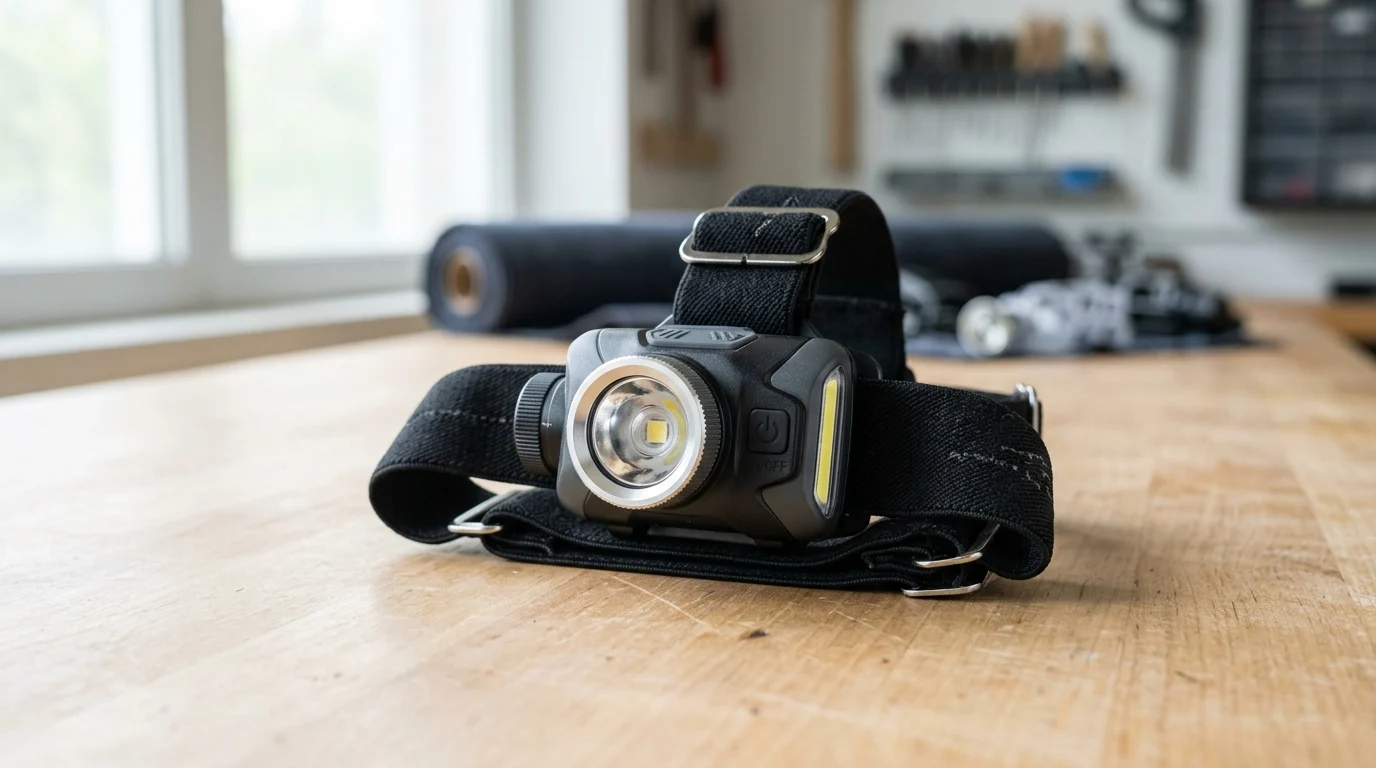
For procurement teams sourcing from a China headlamp supplier, the real savings from USB headlamps come from lowering total operating cost, not just negotiating a lower unit price. Rechargeable models can reduce ongoing battery purchases, cut replacement frequency, and improve uptime, but only when key factors such as battery cycle life, charging compatibility, durability, certification, and supplier reliability are evaluated together. This guide explains how to compare these variables in practical B2B terms, so buyers can identify cost-effective USB headlamps that support safety requirements, simplify fleet management, and deliver measurable long-term savings across large workforces.
Why Procurement Teams Need a B2B Buying Guide for USB
Strategic procurement of personal illumination equipment has evolved significantly from the ad-hoc purchasing of standard, disposable-battery headlamps. For enterprises operating in construction, mining, logistics, and manufacturing, lighting is a critical safety and productivity requirement, not merely a consumable accessory. Transitioning to rechargeable USB headlamps represents a documented opportunity to reduce the Total Cost of Ownership (TCO) across large workforces. To capture these savings, procurement teams must move beyond simple unit-cost comparisons. A comprehensive B2B buying guide provides the analytical framework necessary to evaluate battery lifecycles, charging infrastructure compatibility, and long-term durability. By treating USB headlamps as capital assets rather than disposable goods, purchasing departments can systematically eliminate recurring battery expenses, reduce hazardous waste disposal fees, and minimize operational downtime caused by equipment failure.
How do USB headlamps reduce total operating cost
The financial advantage of USB rechargeable headlamps becomes evident when calculating the annualized cost of disposable batteries. In a standard industrial setting, a worker using a 300-lumen headlamp may deplete three AAA batteries per week. At an average bulk procurement cost of $0.40 per alkaline battery, the annual recurring cost reaches $62.40 per employee. For a workforce of 500 personnel, this translates to $31,200 in yearly operational expenditure strictly for power supplies. By contrast, a high-quality USB headlamp powered by an integrated lithium-ion battery requires only a fraction of a kilowatt-hour to recharge. Over a typical operational lifespan of 500 charge cycles (approximately two years of daily use), the electricity cost per unit is negligible. While the initial capital expenditure for a commercial-grade USB headlamp is higher—typically ranging from $12 to $25 per unit compared to $5 for a basic alkaline model—the break-even point is routinely achieved within the first four to six months of deployment. Furthermore, eliminating the logistical overhead of storing, distributing, and safely disposing of heavy alkaline batteries yields secondary administrative savings.
Which cost centers matter most when evaluating suppliers
When auditing potential manufacturing partners, procurement teams must analyze cost centers that extend beyond the quoted Ex-Works (EXW) price. The most critical cost center is the failure and replacement rate. A supplier offering a unit price 20% below market average often offsets this discount by utilizing substandard lithium polymer pouches or inferior LED diodes, leading to a defect rate that can exceed 5% within the first quarter of use. Another vital cost center is supply chain and warranty fulfillment. If a batch of headlamps suffers from rapid lumen degradation or faulty USB Type-C ports, the cost of returning goods, investigating failures, and covering worker downtime dwarfs the initial savings. Buyers must evaluate the supplier’s commitment to quality assurance, specifically their Acceptable Quality Limit (AQL) inspection criteria and post-sale warranty terms. A reliable manufacturing partner will absorb the cost of replacing units that fail within a guaranteed 12-to-24-month operational window, thereby shielding the buyer’s operational budget.
Which Product Specifications Improve Cost Effectiveness
How should buyers compare battery capacity, charging cycles, and
lumen output Battery capacity, measured in milliampere-hours (mAh), directly governs shift coverage. Standard industrial models require a minimum of 2000mAh—typically delivered by a 18650 lithium-ion cylindrical cell—to sustain an output of 300 to 500 lumens over a standard 8-hour shift without requiring a mid-shift recharge. High-drain applications, such as underground mining, may require 21700 cells boasting capacities up to 4000mAh. Buyers must also mandate transparency regarding charge cycle ratings. A premium lithium-ion cell should guarantee at least 500 full charge-discharge cycles before its maximum capacity degrades below 80%. Inferior cells may lose 40% of their capacity after just 200 cycles, drastically shortening the usable lifespan of the device. Lumen output should be evaluated alongside thermal management; headlamps pushing 1000+ lumens require internal copper heat sinks to prevent thermal throttling, which can permanently damage both the LED chip and the adjacent battery chemistry.
Which durability, safety, and ergonomic features lower replaceme
nt cost Durability specifications mitigate the risk of premature failure in harsh industrial environments. Devices must feature appropriate Ingress Protection (IP) ratings. An IP65 rating provides complete protection against dust ingress and low-pressure water jets, making it suitable for general construction. For marine or heavy-washdown environments, an IP67 rating (submersible up to 1 meter for 30 minutes) is mandatory. Impact resistance is equally critical for lowering replacement costs. Housings constructed from Polycarbonate (PC) and Acrylonitrile Butadiene Styrene (ABS) blends offer high tensile strength. Buyers should require testing documentation proving the device can withstand a minimum 2-meter drop test onto concrete, aligning with the IK07 impact resistance standard. Ergonomically, the total weight of the headlamp (including the battery) should remain below 150 grams to prevent user fatigue and neck strain, which can lead to decreased compliance in wearing the Personal Protective Equipment (PPE).
What comparison table should a B2B team build
To effectively negotiate with vendors, B2B procurement teams must build a standardized specification matrix. This allows buyers to filter out consumer-grade products masquerading as industrial equipment.
| Specification Category | Consumer Grade | Industrial Grade |
|---|---|---|
| Battery Capacity | 800 – 1200 mAh | 2000 – 4000 mAh |
| Charge Cycles | 300 cycles (<80% retention) | 500+ cycles (>80% retention) |
| Ingress Protection | IPX4 (Splash resistant) | IP65 / IP67 (Dust tight, waterproof) |
| Impact Resistance | 1-meter drop test | 2-meter drop test (IK07 equivalent) |
| Charging Interface | Micro-USB | USB Type-C (with waterproof cover) |
How to Evaluate a China Headlamp Supplier
The global supply chain for portable LED lighting is heavily concentrated in Asia. Identifying a reliable China headlamp supplier requires rigorous vetting protocols to ensure consistent manufacturing quality, regulatory compliance, and ethical labor practices. Without a structured auditing process, buyers risk engaging with trading companies that lack direct control over production lines and quality assurance standards. A comprehensive supplier evaluation encompasses on-site (or third-party) factory audits, a review of historical defect rates, and verification of international certifications. By thoroughly vetting manufacturing partners, procurement teams can establish long-term, scalable supply agreements that lock in favorable pricing while mitigating the risk of catastrophic product failures.
Which factory audit points, defect metrics, and testing procedur
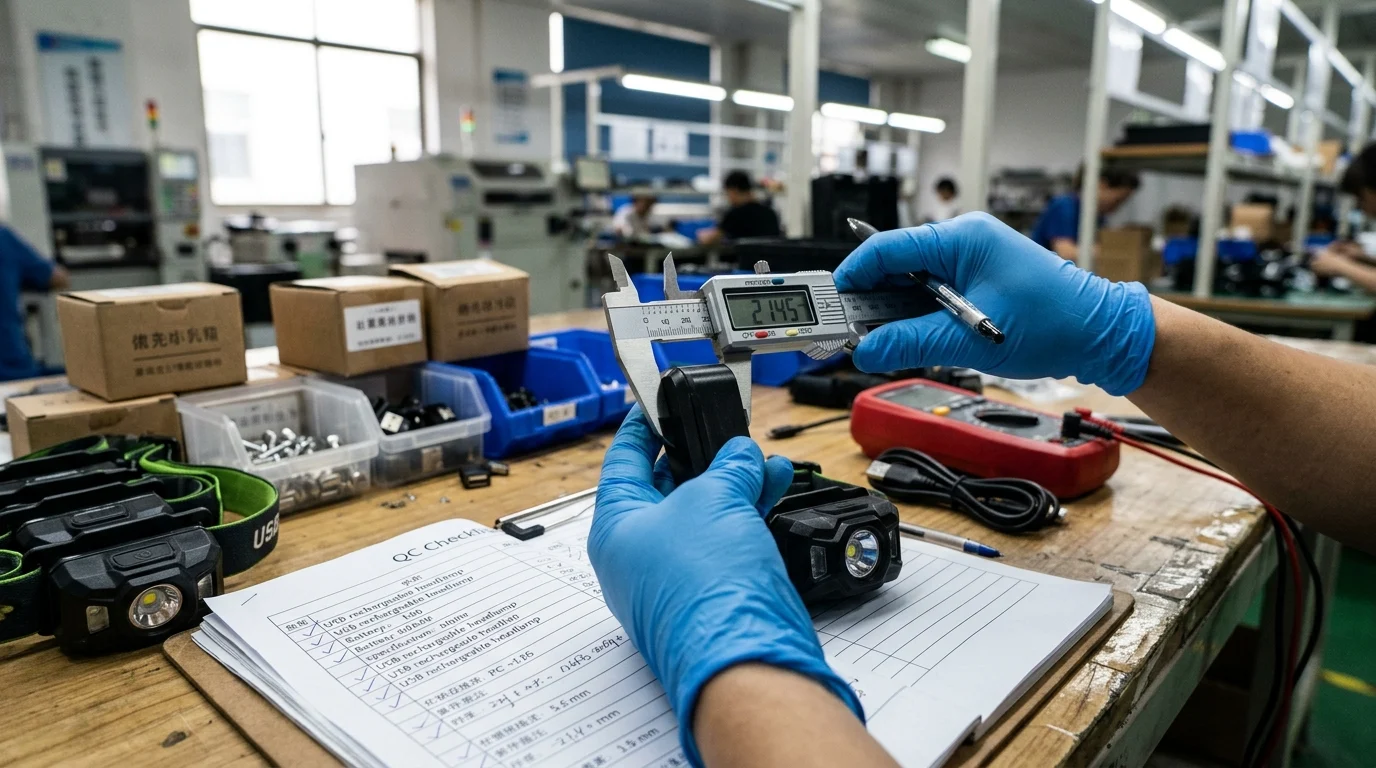
es matter Effective factory audits should verify compliance with ISO 9001:2015 Quality Management Systems. Auditors must inspect the incoming raw material inspection process (IQC), in-process quality control (IPQC), and final quality control (FQC). For industrial lighting, Acceptable Quality Limit (AQL) standards typically demand a rigorous threshold of Major 1.5 and Minor 4.0. Any deviation beyond this threshold should trigger an automatic batch rejection. Testing procedures on the assembly line are critical indicators of reliability. A premier manufacturer will subject 100% of its production batch to an aging test—powering the headlamps continuously for 24 to 48 hours to identify premature LED diode failures or battery thermal runaway. Additionally, buyers should request documentation for integrating sphere tests (to verify lumen output and color temperature consistency) and salt spray tests for components exposed to corrosive environments.
How do certification, regional compliance, and documentation req
uirements affect sourcing Regulatory compliance dictates market access and shields the buying organization from liability. For deployments in the European Union, CE marking and RoHS compliance (restricting hazardous substances) are non-negotiable legal requirements. In the North American market, FCC certification ensures the device does not emit unlawful electromagnetic interference. Because USB headlamps contain lithium-ion batteries, transportation compliance is a major logistical hurdle. Suppliers must provide a valid UN38.3 test report and a Material Safety Data Sheet (MSDS). Without these documents, freight forwarders will refuse to load the cargo onto cargo vessels or aircraft, leading to severe supply chain bottlenecks and unexpected warehousing fees at the port of origin.
When should buyers choose OEM, ODM, or private label
The choice between Original Equipment Manufacturing (OEM), Original Design Manufacturing (ODM), and purchasing private-label (white-label) products depends heavily on the buyer’s required customization and capital availability. Private labeling an existing factory mold is the most cost-effective route for standard industrial applications, requiring minimal upfront investment and allowing for rapid deployment. Conversely, if a specialized work environment requires unique intrinsic safety features, custom beam angles, or proprietary helmet-mounting clips, an ODM or OEM approach is necessary. Developing custom injection molds typically requires a tooling investment ranging from $3,000 to $8,000. Buyers must negotiate tooling ownership clauses to ensure that, upon completion of a specified production volume (e.g., 20,000 units), the intellectual property and physical molds remain the exclusive property of the purchasing organization.
Which Logistics, Pricing, and Commercial Terms Affect Landed Cost
Procurement professionals understand that the Ex-Works (EXW) or Free on Board (FOB) price represents only a baseline metric. The true financial impact of an acquisition is the total landed cost, which encompasses manufacturing, international freight, customs duties, and domestic distribution. Optimizing landed cost requires strategic negotiation of commercial terms and meticulous logistical planning. By understanding the levers that influence shipping density, tariff classifications, and inventory carrying costs, buyers can strip significant overhead from the final delivered price of their USB headlamps.
How should purchasers evaluate MOQ, tooling, sample policy, and
payment terms Commercial negotiations dictate the capital flow of the procurement cycle. Minimum Order Quantities (MOQ) for customized USB headlamps typically range from 1,000 to 3,000 units, depending on the complexity of the packaging and specific battery requests. Buyers can often negotiate lower MOQs for initial trial orders by agreeing to use standard factory packaging rather than custom-printed retail boxes. Payment terms directly impact the buyer’s working capital. The industry standard for international sourcing is a 30% Telegraphic Transfer (T/T) deposit upon order confirmation, with the remaining 70% balance paid against the Bill of Lading (B/L) copy. For sampling policies, reputable suppliers generally charge a nominal fee (e.g., $50 to $100) to cover express air freight, which should be explicitly negotiated as a deductible credit against the first mass production purchase order.
What freight, packaging, tariff, and inventory planning decision
s affect total cost Logistical decisions can swing the total TCO by up to 30%. Freight costs are heavily influenced by packaging density. Requesting compact, biodegradable industrial blister packs instead of bulky retail display boxes allows buyers to fit significantly more units into a standard Twenty-Foot Equivalent Unit (TEU) shipping container, drastically reducing the per-unit sea freight cost. Tariff classifications also require careful attention. USB headlamps are generally classified under the Harmonized System (HS) code 8513.10 (Portable electric lamps designed to function by their own source of energy). Buyers must verify this classification with their customs broker to accurately forecast import duties and leverage any applicable free trade agreements.
| Cost Component | Impact on Landed Cost | Optimization Strategy |
|---|---|---|
| Ex-Works (EXW) Unit Price | 40% – 60% | Negotiate volume tiers; standardize internal components. |
| Inland Transport & Port Fees | 5% – 10% | Consolidate shipments; negotiate FOB terms over EXW. |
| Ocean/Air Freight | 15% – 30% | Optimize packaging density to maximize units per CBM. |
| Customs Duties & Tariffs | 5% – 25% | Verify HS Code 8513.10; utilize tariff exemption programs. |
How to Select the Most Cost-Effective USB Headlamps
What step-by-step sourcing process helps teams shortlist supplie
rs A structured step-by-step sourcing process minimizes risk when evaluating international vendors. The process should begin with a Request for Information (RFI) distributed to a broad list of 10 to 15 manufacturers, focusing purely on their production capacity, ISO certifications, and battery compliance documentation (UN38.3). Based on the RFI responses, the team should narrow the field to 3 to 5 highly qualified suppliers to receive a detailed Request for Quotation (RFQ). The RFQ must mandate itemized pricing breakdowns, including battery cell origins and LED diode brands (e.g., CREE, Osram). The final step involves procuring physical samples from the top three contenders for destructive testing and field trials, followed by a limited trial order of 200 to 500 units to validate the supplier’s quality control and lead time commitments before executing an enterprise-wide rollout.
Which purchasing scenarios justify paying more upfront for lower
lifetime cost Certain purchasing scenarios mathematically justify a higher initial capital expenditure to secure a drastically lower lifetime cost. For example, in heavy civil construction or underground mining, equipment is subjected to extreme vibration, moisture, and impact. In this scenario, purchasing a ruggedized, IP67-rated headlamp with a 3000mAh battery for $18 upfront ensures a functional lifespan of up to 3 years. Conversely, purchasing a low-grade, IPX4-rated headlamp for $7 in that same harsh environment usually results in device failure within 4 to 6 months. Over a three-year period, the $7 headlamp would need to be replaced at least six times, bringing the actual hardware cost to $42 per worker, excluding the hidden costs of shipping, administrative re-ordering, and lost productivity. However, for light-duty indoor logistics or temporary contractor work, a mid-tier $10 unit with standard specifications may represent the optimal balance of performance and capital preservation, proving that cost-effectiveness is always context-dependent.
Key Takeaways
- The most important conclusions and rationale for China headlamp supplier
- Specs, compliance, and risk checks worth validating before you commit
- Practical next steps and caveats readers can apply immediately
Frequently Asked Questions
How do USB headlamps lower operating costs for B2B buyers?
They remove recurring AAA battery purchases, cut battery handling and disposal costs, and usually reach break-even within 4–6 months in daily-use industrial teams.
What battery specs should we require from a China headlamp supplier?
For most industrial use, request at least 2000mAh, 300–500 lumens, and a verified 500-charge-cycle rating to support full-shift use and longer service life.
Why is a low EXW price not always the cheapest option?
A cheaper unit can bring higher failure rates, more replacements, port issues, and worker downtime. Compare total cost of ownership, not just the factory quote.
What quality checks should procurement teams ask suppliers to provide?
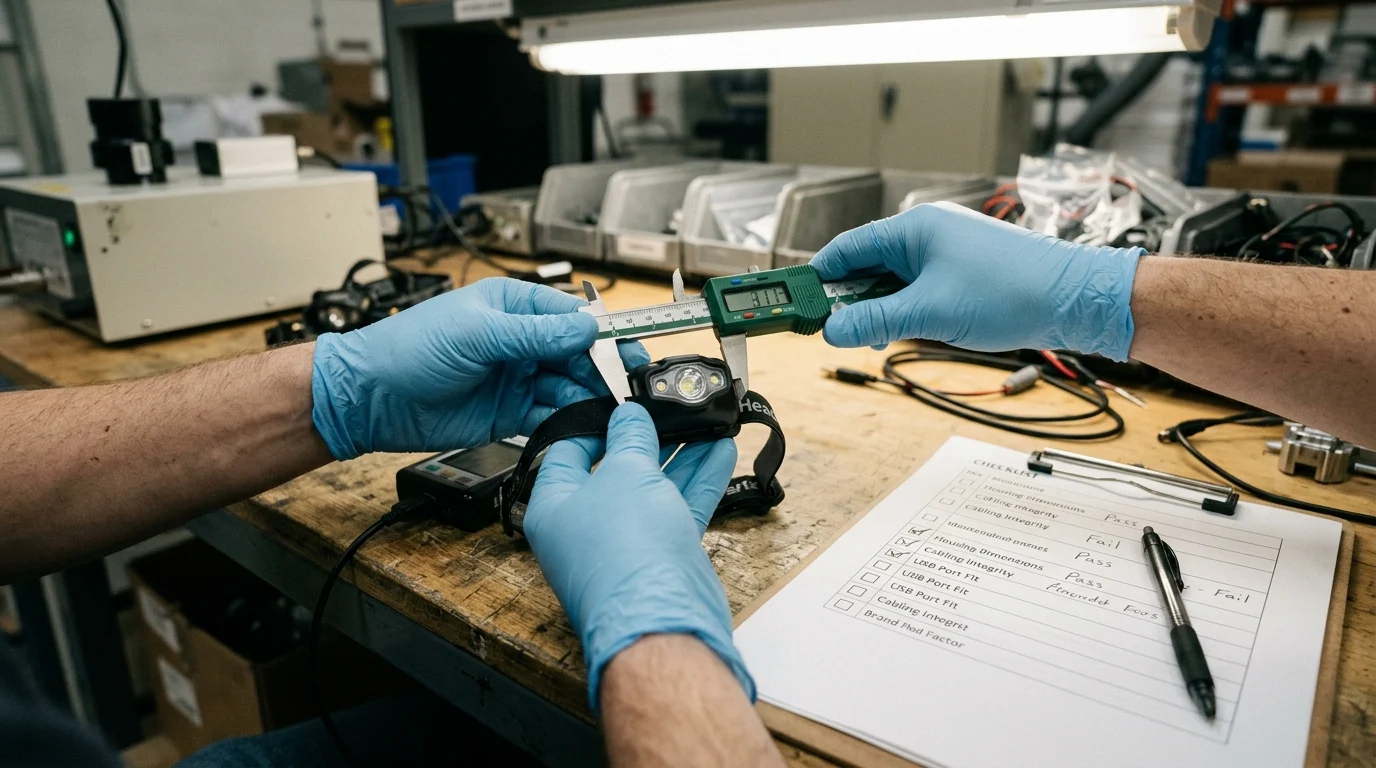
Ask for AQL inspection standards, battery and LED component details, USB port test results, and clear defect-rate data from recent production batches.
What warranty terms are practical when sourcing USB headlamps?
Look for a 12–24 month warranty with defined replacement terms for battery failure, lumen loss, and charging-port defects to reduce post-purchase risk.
Lily
Technical Director
With 15+ years in outdoor lighting, specializing in LED headlamp & flashlight R&D, thermal management and product innovation.
Thermal Management
Post time: Apr-30-2026


