 fannie@nbtorch.com
 +0086-0574-28909873



Selecting the best outdoor headlamp in 2026 requires matching technical performance metrics like lumens, beam patterns, and battery runtime to your specific outdoor activity. This comprehensive optimization guide breaks down essential specifications to help you select a reliable hands-free lighting solution for running, camping, trekking, or industrial work. By understanding advanced beam configurations and smart sensor technologies, you can maximize visibility and safety in any nighttime environment.
Decoding Core Technical Metrics for 2026 Headlamps
Selecting reliable hands-free lighting requires a precise understanding of modern technical specifications to ensure optimal trail visibility. Performance variance across different illumination instruments depends heavily on three core pillars: luminous flux, beam distribution, and environmental sealing.
Luminous flux, measured in lumens, dictates the total volume of visible light emitted by the source. While a high lumen output provides bright illumination, it accelerates battery depletion. Beam distribution consists of flood beams for wide, close-range visibility and spot beams for long-distance focal casting. Environmental durability is verified by the Ingress Protection (IP) rating system, which classifies water and dust resistance levels. Serious enthusiasts should prioritize an IPX4 rating for splash protection or IP68 for complete submersion resistance. Incorporating a high-quality high lumen headlamp ensures that your lighting gear can withstand severe downpours without experiencing circuit failure.
| Technical Parameter | Optimal Range | Best Applied Activity | Primary Benefit |
|---|---|---|---|
| Luminous Flux (Lumens) | 200 – 1200+ lm | Technical trail running, route-finding | Maximizes long-range hazard identification |
| Beam Configuration | Mixed / Dual Beam | Alpine climbing, dynamic backpacking | Balances peripheral vision with focal distance |
| Ingress Protection (IP) | IPX4 to IP68 | Heavy rain trekking, industrial operations | Prevents moisture infiltration and corrosion |
Selecting Headlamps by Specific Activity Profiles
Dynamic movement during night running demands lightweight, stable lighting structures that eliminate vertical bouncing and minimize neck strain. Trail runners require a balanced weight distribution between the front lamp housing and the rear battery pack. For urban jogging, a 400-lumen output is sufficient, whereas technical singletracks necessitate up to 1200 lumens to safely navigate exposed roots and rocks according to trail safety metrics from the American Trail Running Association. Utilizing an advanced sensor headlamp allows athletes to toggle brightness modes with simple hand gestures, preventing distraction during high-speed runs. Furthermore, an integrated red light mode is critical for group trail runs because it preserves natural night vision and prevents glare from blinding oncoming runners.
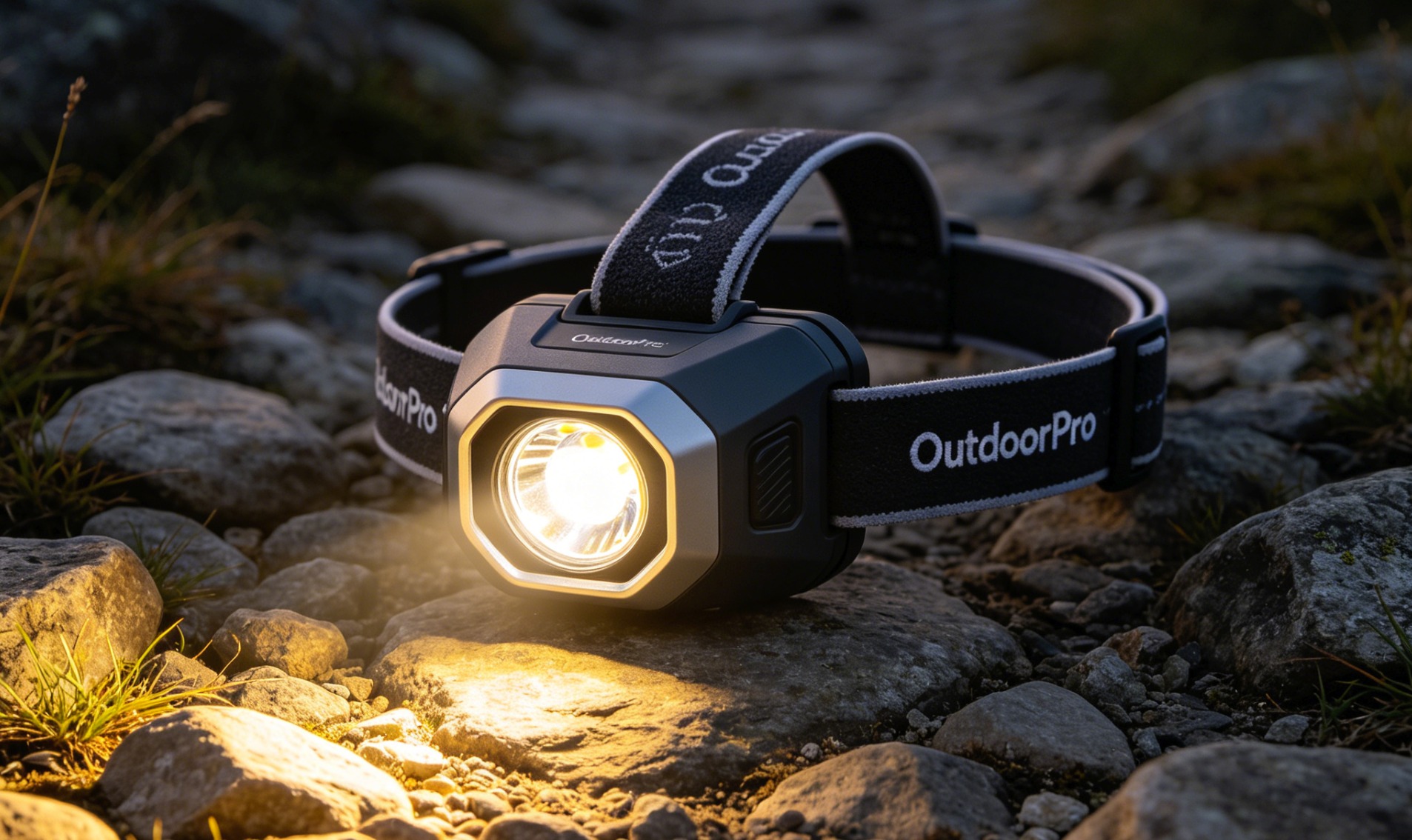
Campsite maintenance and general backpacking demand long-lasting battery configurations, comfortable head straps, and highly intuitive beam controls. Campers prioritize wide flood beams that evenly illuminate close-range tasks like setting up tents, preparing food, or reading topographic maps. A variable output ranging from 100 to 400 lumens is ideal for preserving battery longevity during multi-day backcountry excursions. Implementing a reliable AAA headlamp offers excellent flexibility, allowing users to switch between rechargeable cells and standard alkaline batteries in remote areas. Mechanical tilt adjustments are also essential, letting users direct light downward without tilting their necks or blinding campmates.
Alpinism, deep cave exploration, and extreme mountaineering require highly durable, rugged lighting systems capable of enduring sub-zero temperatures. High-altitude environments demand structural materials like aircraft-grade aluminum or high-impact polycarbonate casings to withstand heavy impacts and drops. Mountaineers require dependable hybrid power systems and extreme long-range spot beams exceeding 100 meters for accurate route-finding on complex rock faces. A professional rechargeable headlamp featuring regulated power circuitry ensures consistent brightness output even as battery voltage drops in cold weather. For industrial worksites and search operations, heavy-duty headlamps must comply with rigorous impact standards to ensure operational reliability under severe physical stress.
Battery Architecture and Smart Sensor Integration
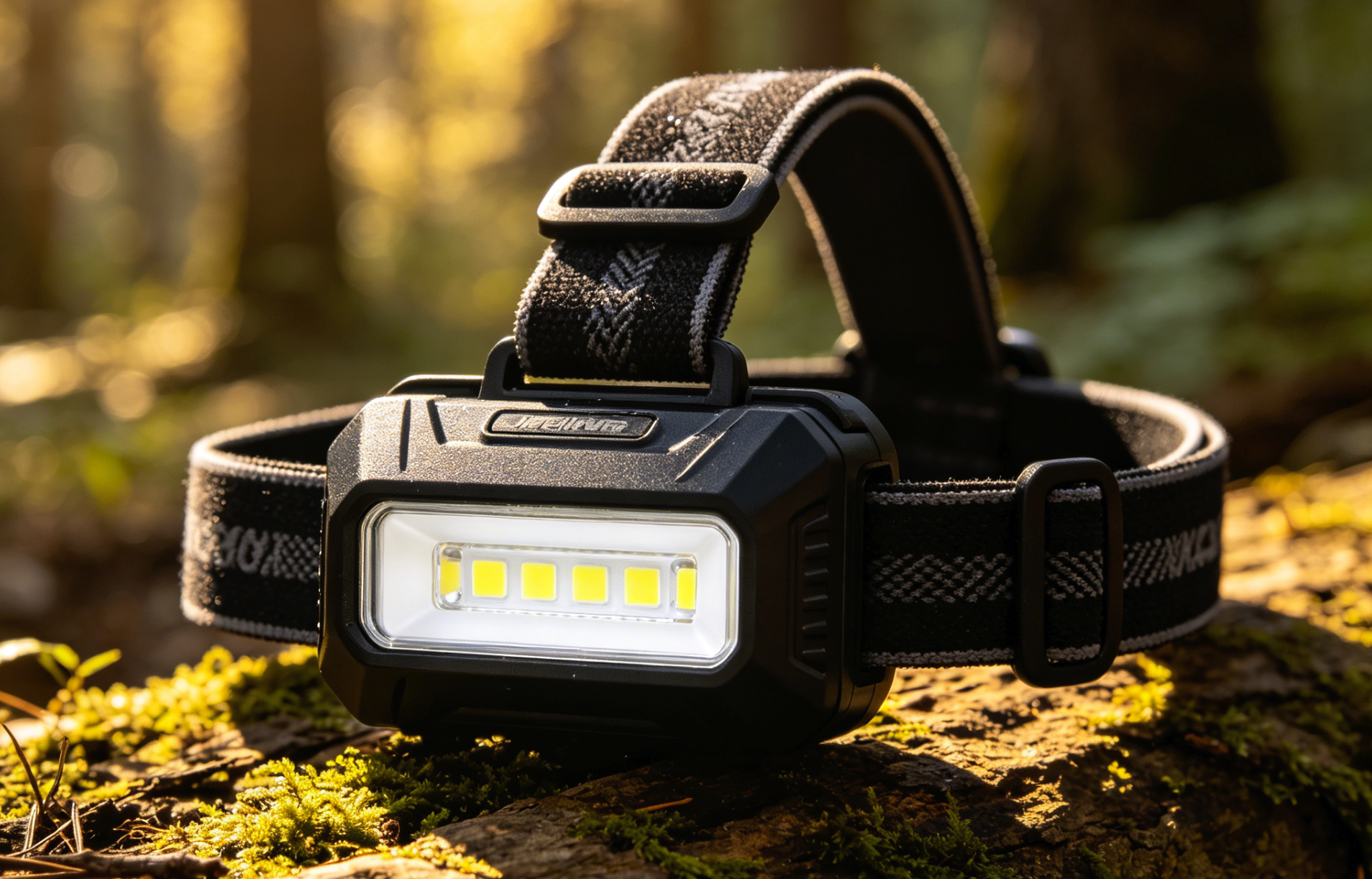
Modern portable lighting relies on advanced lithium-polymer rechargeable cells and smart automated features to maximize energy efficiency. The shift toward USB-C rechargeable systems has significantly minimized environmental waste while reducing the overall weight carried on extended journeys. However, smart power management involves clear tradeoffs between rechargeable efficiency and the convenience of disposable backup cells. Advanced motion-sensing technology allows users to control illumination completely hands-free, which is invaluable when wearing heavy winter gloves. Proximity sensors automatically dim the output when looking at close objects, preventing harsh glare and optimizing power conservation.
Advantages and Disadvantages of Modern Power Configurations
- Rechargeable Systems: Rechargeable units offer lower long-term operating costs and deliver higher sustained voltage for brighter beam outputs. However, they require access to power banks or solar chargers during extended backcountry trips.
- Dual-Fuel Configurations: Dual-fuel setups accept both lithium packs and standard AAA batteries, offering excellent emergency flexibility. The primary drawback is a slight increase in weight and overall lamp housing size.
- Smart Sensor Controls: Automated motion and proximity sensors maximize battery runtime and improve ease of use. However, electronic sensor components can occasionally malfunction in heavy snowfall or thick fog.
| Power & Tech Type | System Efficiency | Environmental Impact | Cold Weather Tolerance |
|---|---|---|---|
| Lithium-Polymer (USB-C) | High (Consistent Output) | Low (Reusable) | Moderate (Voltage drops in extreme cold) |
| Alkaline AAA Batteries | Moderate (Steps down voltage) | High (Disposable waste) | Poor (Rapid discharge in sub-zero temp) |
| Smart Motion Sensors | Excellent (Auto-dimming saves power) | Neutral | Variable (Dependent on sensor clean lines) |
Final Selection Checklist
- Verify Luminous Requirements: Match total lumen output to your travel speed; fast movement requires higher lumens for long-range visibility.
- Inspect Environmental Ratings: Ensure the device meets at least IPX4 standards for rain, or IP67/IP68 if operating near water bodies.
- Evaluate Weight Distribution: Select ultra-lightweight models under 3 ounces for running, and heavier, high-capacity models for static industrial tasks.
- Confirm Beam Versatility: Ensure the device features independent flood, spot, and red-light modes to handle diverse close-range and long-range tasks.
- Analyze Power Reliability: Check for regulated power outputs to avoid gradual dimming, and choose a dual-fuel model if traveling off-grid.
Frequently Asked Questions (FAQs)
What lumen level is recommended for technical night trail running?
Technical night trail running requires a headlamp producing between 600 and 1200 lumens. High lumen volumes are crucial for illuminating distant trail obstacles, detecting changes in terrain geometry, and maintaining fast pacing safely. Lower lumen levels fail to provide adequate reaction time on complex, high-speed descents.
How do IPX4 and IP68 waterproof standards differ in outdoor environments?
An IPX4 rating certifies protection against splashing water from any direction, making it suitable for light rain. An IP68 rating indicates complete dust-tight sealing and protection against continuous submersion in water beyond one meter. For severe storms or maritime activities, IP68 performance is necessary to prevent internal electronics failure.
Why is red light mode essential for group camping activities?
Red light mode is essential because longer light wavelengths preserve human night vision adjustments, which take up to thirty minutes to develop. Additionally, red light minimizes peripheral glare, ensuring you do not temporarily blind campmates during close-range conversations. It also attracts fewer insects than standard white flood beams.
What are the main benefits of dual-fuel headlamp systems for backpackers?
Dual-fuel systems offer ultimate power flexibility by accepting both proprietary rechargeable lithium packs and standard alkaline AAA cells. This configuration allows backpackers to utilize cost-effective rechargeable power during routine use while carrying lightweight alkaline backups for emergencies. It eliminates total dependency on electrical charging infrastructure during long expeditions.
How do smart motion sensors improve headlamp operation in industrial tasks?
Smart motion sensors allow operators to turn the beam on or off with a simple hand swipe. This integration is highly beneficial when hands are soiled, wet, or restricted by heavy industrial safety gloves. It keeps the physical housing clean, prevents button wear, and allows workers to focus completely on technical tasks.
Post time: May-25-2026


