 fannie@nbtorch.com
 +0086-0574-28909873



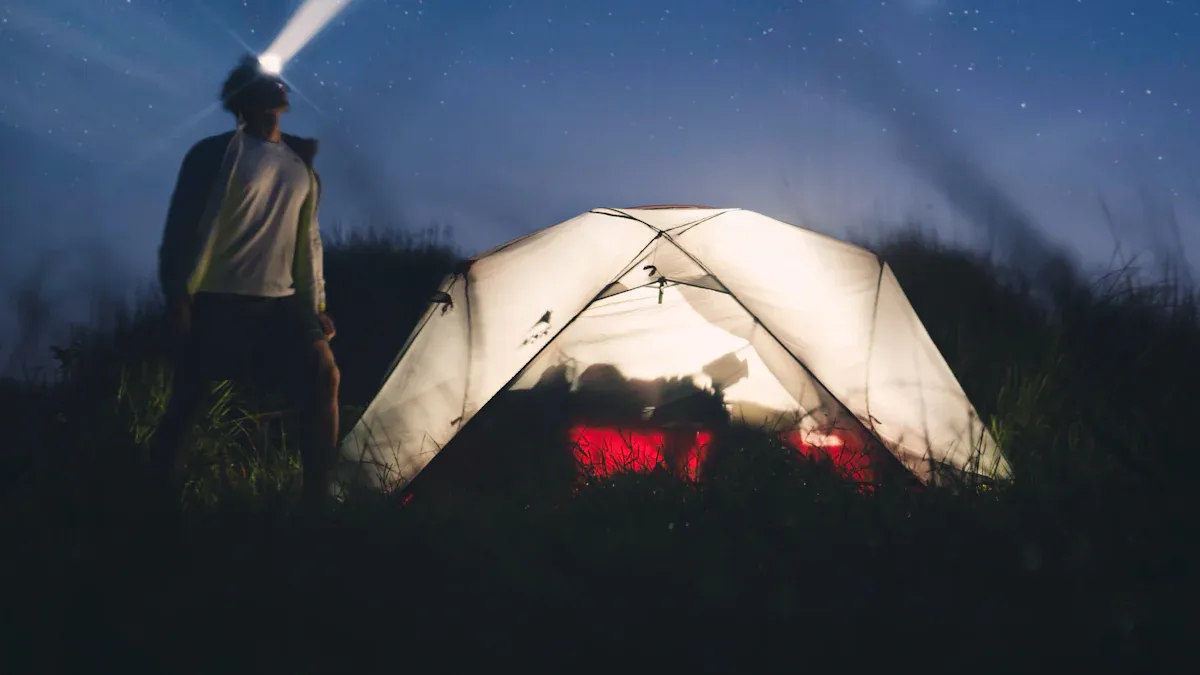
Headlamps are crucial for outdoor adventures, illuminating paths effectively. They offer hands-free lighting, making them an ultimate outdoor companion. This allows individuals to maximize their experience. A headlamp helps avoid obstacles like rocks or tree roots, making journeys safer. Red light mode is especially useful. It preserves night vision, letting campers navigate without compromising their natural eyesight. Red light also minimizes disturbance to wildlife and fellow campers. It attracts fewer insects, reducing bug activity. For emergencies, many headlamps have SOS modes to signal rescuers. These Usage Tips help unlock a headlamp’s full potential.
Key Takeaways
- Choose a headlamp with the right lumens and beam pattern for your activity.
- Use red light mode to save battery and protect your night vision.
- Adjust your headlamp for comfort and stability during use.
- Conserve battery life by using lower settings and carrying spare batteries.
- Clean and store your headlamp properly to make it last longer.
Choosing the Right Headlamp for Your Adventures
Selecting the appropriate headlamp significantly enhances any outdoor experience. Consider several key factors when making this important decision.
Understanding Lumens and Beam Patterns
Lumens indicate a headlamp’s brightness. The required lumen output varies depending on the activity. For general, sustained tasks, a headlamp with 200-400 lumens often suffices. Hikers and campers typically find 200-300 lumens comfortable with a focused beam. For more demanding activities like navigating rough terrain, 500-1000 lumens provide ample illumination.
| Activity/Task | Recommended Lumens |
|---|---|
| General, sustained tasks (personal preference) | 200-400 |
| Hiking/Camping (comfortable with focused beam) | 200-300 |
| Rough terrain | 500-1000 |
Beam patterns also play a crucial role. A spot beam concentrates light for long-range visibility, ideal for seeing far ahead on trails or open landscapes. A flood beam spreads light over a wide area, perfect for illuminating campsites or navigating dense foliage. A combination beam offers a versatile balance of both.
| Beam Pattern | Characteristics | Ideal Applications (Outdoor Settings) |
|---|---|---|
| Spot Beam | Targeted illumination, concentrated stream of light, emphasizes long-distance visibility. | Seeing far ahead on rugged mountain trails, open landscapes. |
| Flood Beam | Broad, uniform illumination, enhances visibility over wide areas. | Illuminating campsite setups, slow-paced navigation through dense foliage. |
| Combination Beam | Fuses spot and flood beams, delivering long-range illumination and wide-area coverage. | Navigating unknown terrain, supporting mixed-use vehicles. |
Assessing Battery Life and Power Sources
Battery life directly impacts a headlamp’s utility during extended trips. Headlamps utilize various power sources, each with distinct advantages. Rechargeable headlamps offer energy efficiency and cost-effectiveness, featuring long-lasting built-in batteries. They provide a convenient lighting solution for low-light environments.
Prioritizing Comfort and Durability
Comfort becomes paramount during extended wear. Lightweight designs, like models weighing around 140g, minimize strain. Features such as wide, soft, and adjustable headbands enhance comfort and prevent shifting during activity. Some designs integrate wires directly into the headband, further improving comfort and reducing tangling.
Durability ensures a headlamp withstands harsh outdoor conditions. The IPX rating system quantifies a device’s water resistance. For instance, an IPX4 rating indicates splash resistance, suitable for light rain. An IPX7 rating means the device can withstand submersion in water up to one meter for 30 minutes, offering protection against accidental drops into water.
| IPX Rating | Water Resistance Level | Best Use Cases |
|---|---|---|
| IPX4 | Splash-resistant | Light rain |
| IPX7 | Submersion up to 1 meter | Short-term submersion, water-intensive tasks |
| IPX8 | Submersion beyond 1 meter | Extended underwater or extreme exposure |
Mastering Headlamp Features and Functions
Understanding a headlamp’s various features allows users to optimize its performance for any outdoor scenario. Each function serves a specific purpose, enhancing safety and convenience.
Utilizing Red Light Mode Effectively
Many headlamps include a red light mode, a valuable feature for specific situations. Red light preserves natural night vision, which is crucial when transitioning between dark and illuminated areas. It also minimizes disturbance to wildlife and fellow campers. Furthermore, red light attracts fewer insects compared to white light, making it ideal for evening activities around camp. Users should switch to red light when they need subtle illumination without compromising their eyes’ adaptation to darkness.
Understanding Dimmable Settings and Brightness Levels
Dimmable settings provide flexibility, allowing users to adjust light output according to their needs. This feature helps conserve battery life and prevents over-illumination. For general camping tasks, such as cooking or moving around the campsite, 100-200 lumens are often sufficient. Approximately 250 lumens are adequate for practical tasks like setting up camp or cooking. For camp activities like cooking or reading, a headlamp in the range of 100 to 150 lumens is suitable. Users can easily toggle between different brightness levels to match the task at hand, from a low glow for reading a map to a brighter beam for navigating a trail.
Activating SOS Mode and Lockout Function
Modern headlamps often incorporate advanced safety features. The SOS mode emits a universally recognized distress signal (three short flashes, three long flashes, three short flashes). Users activate this mode in emergency situations to signal for help. Another critical feature is the lockout function. This prevents accidental activation of the headlamp while it is stored in a backpack or pocket. Accidental activation can drain the battery, leaving users without light when they need it most. Engaging the lockout function ensures the headlamp remains off until intentionally turned on.
Practical Headlamp Usage Tips for the Outdoors
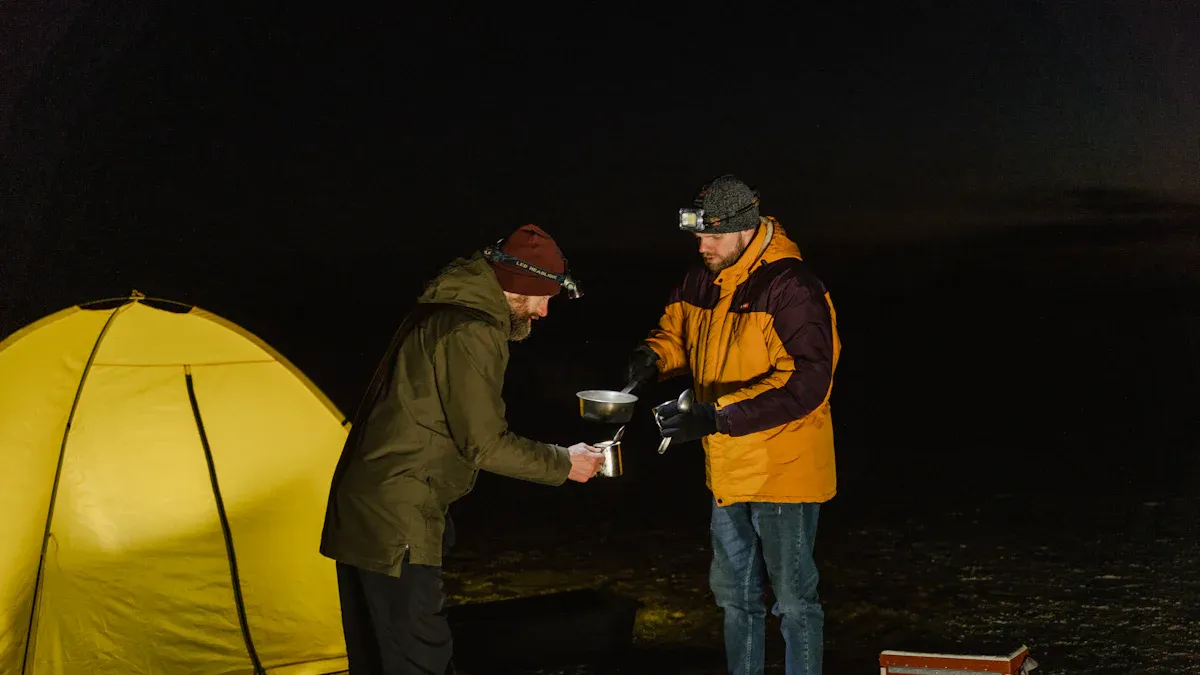
Effective headlamp use significantly enhances safety and enjoyment during outdoor excursions. Proper application of these Usage Tips ensures optimal performance and longevity for the device.
Proper Mounting and Adjustment Techniques
Correctly mounting a headlamp ensures stability and directs light effectively. Users should position the headlamp centrally on their forehead, allowing the beam to align with their line of sight. Adjust the elastic headband for a snug, yet comfortable, fit. It should not feel too tight or cause discomfort during extended wear. Many headlamps feature an adjustable tilt mechanism. This allows users to angle the beam up or down, illuminating the immediate path or scanning distant objects without repositioning the entire unit. A properly adjusted headlamp remains stable during movement, preventing distracting wobbles or shifts.
Conserving Battery Life on the Trail
Maximizing battery life is crucial for multi-day outdoor trips. Strategic use of a headlamp’s features can significantly extend its operational time.
- Utilize low or floodlight mode for camp tasks. This setting can extend battery life three to five times longer than high mode.
- Employ red light mode for maximum efficiency. It often provides 50 to 100+ hours of use on a single set of batteries.
- Carry at least one spare set of batteries. This applies even to headlamps with excellent battery life, preventing unexpected power loss.
- Choose headlamps with long battery run times. For example, some models offer 75 hours on high mode and 175 hours on low mode.
- Consider rechargeable headlamps. Many models can also use standard AAA batteries as a backup.
- Look for headlamps with a ‘Lock Mode’. This prevents accidental activation and battery drainage while stored in a pack.
- Opt for headlamps with a ‘Battery Indicator’. This monitors remaining power and helps avoid sudden dimming. These Usage Tips help adventurers maintain illumination throughout their journey.
Adapting Headlamp Use for Different Activities
Headlamp settings should adapt to the specific activity. Different outdoor pursuits demand varying levels of brightness and beam patterns.
- Night Hiking on Uneven Terrain: A range of 150-400 lumens is generally sufficient for trail and camp activities. Red light is essential for preserving night vision, as human eyes are less sensitive to its longer wavelengths. Multiple brightness settings allow for adjustment based on specific needs, such as reading a map or identifying a trail marker. A comfortable and secure fit is crucial for effectiveness during use.
- Camping and Camp Efficiency: For camp activities like cooking or reading, a headlamp in the range of 100 to 150 lumens is suitable. A flood beam works best for illuminating a wide area around the campsite.
- Trail Running and Fast-Paced Activities: Higher lumen output, perhaps 300-500 lumens, provides better visibility for faster movement. A combination beam offers both wide peripheral vision and a focused spot for distant obstacles.
- Fishing and Hunting: Red light is particularly useful for these activities. It minimizes disturbance to wildlife and preserves the user’s night vision. Adjustable straps and beam angles are also beneficial for precise illumination. Consider rechargeable or solar options for long-term cost-effectiveness, but ensure sufficient charge or backup. Disposable batteries are also an option, with extra batteries recommended, especially in cold conditions where they drain faster.
Activity-Specific Headlamp Usage Tips
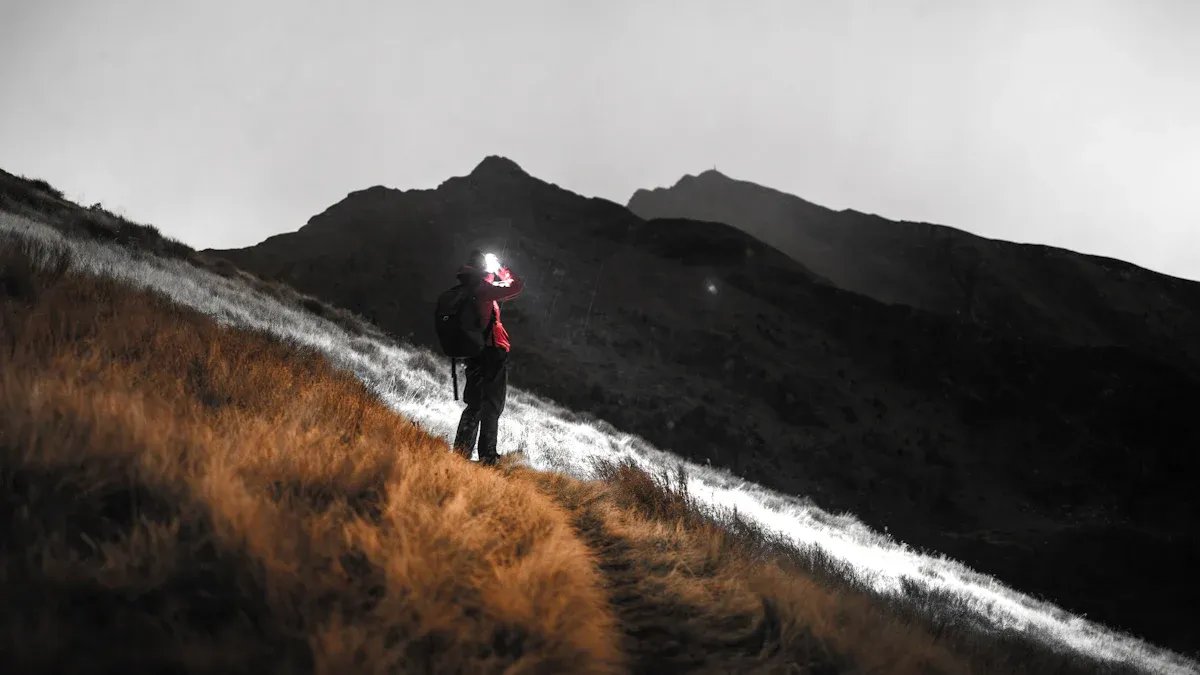
Different outdoor activities demand specific headlamp characteristics for optimal performance and safety. Understanding these nuances helps enthusiasts select and utilize their headlamps effectively.
Headlamp Tips for Hiking and Backpacking
Hikers and backpackers require reliable illumination for navigating trails and setting up camp in the dark. A headlamp with a balanced lumen output, typically between 200-400 lumens, provides sufficient light for most situations. A combination beam pattern offers versatility, allowing users to see both far ahead on the trail and their immediate surroundings. Battery life is paramount for multi-day trips, so hikers often prioritize models with efficient power consumption or carry spare batteries. Durability and water resistance are also important considerations, as outdoor conditions can be unpredictable.
Headlamp Tips for Camping and Camp Efficiency
For activities around the campsite, specific headlamp features enhance comfort and efficiency. A brightness of 10 lumens and under is often sufficient for camp chores and quick nighttime needs. Flood lighting provides a diffuse beam, highly useful for close-up tasks like cooking, reading, and general area lighting inside a tent. The red light setting is particularly beneficial for use around camp. It is gentler on the eyes, conserves battery, and attracts fewer insects. When reading maps, a wide or flood beam is ideal, and the red light mode is excellent for preserving night vision because it does not dilate pupils. A tilt function allows users to direct the beam precisely where needed, such as pointing it down for close-up tasks without moving your head. A locking function prevents the headlamp from accidentally turning on in a pack, saving battery life until needed. These specific Usage Tips ensure a smooth and enjoyable camping experience.
Headlamp Tips for Trail Running and Fast-Paced Activities
Trail runners and individuals engaging in fast-paced activities demand headlamps that offer both powerful illumination and comfort. Most trail running headlamps range from 50 lm to 900 lm, with the majority falling between 200 lm and 600 lm. For beginners or those needing more confidence on the trail, a headlamp of at least 300 lm provides a good starting point. More powerful headlamps, closer to 900 lm, offer superior light for technical terrain but are typically heavier and more expensive. Less powerful options are more compact, affordable, and simpler. Advanced headlamps often feature multiple lighting modes and beam types. Some premium models even include adaptive lighting, which automatically adjusts brightness and beam pattern based on the environment. LED lights are more energy-efficient and brighter than older halogen bulbs, allowing for longer high-intensity use. Dimmer settings can extend battery life during long outings. Red lights preserve night vision, prevent blinding others in a group, and consume less battery, making them a valuable safety feature, especially in the backcountry. Rear-facing red lights increase visibility to traffic in urban environments, adding an extra layer of safety.
Headlamp Tips for Fishing and Hunting
Anglers and hunters often operate in low-light conditions, making a reliable headlamp an indispensable tool. Specific features enhance safety and success during these activities. Choosing the right headlamp ensures optimal visibility without disturbing wildlife or compromising personal night vision.
For fishing, especially fly fishing or setting up lines in the dark, headlamps require particular specifications. A baseline of at least 400 lumens provides effective illumination, preventing squinting and ensuring clear visibility of details. Waterproof headlamps are crucial due to the increased likelihood of accidental slips into water during night fishing. Rechargeable headlamps are often preferred over battery-powered options. They offer better performance in cold weather and maintain consistent light output.
Anglers also benefit from specific light colors. Red-light options are essential for preserving night vision when individuals are not actively landing or releasing fish, or hiking. However, low-intensity green lamps are becoming the standard for activities like fly fishing or setting up lines in the dark. Green lamps enhance visual acuity and improve color differentiation. They also have less negative impact on night vision compared to white light. Any high-intensity light, regardless of color, will impair night vision. Therefore, selecting low-intensity bulbs is key. Carrying extra batteries is always advisable for extended trips.
Hunters also benefit from specialized headlamp features. Stealth is paramount, so hunters often utilize red or green light modes. These colors preserve night vision and minimize the chance of spooking game. A headlamp’s durability is important, as hunting environments can be rugged. Quiet operation is another critical factor; hunters avoid headlamps with noisy buttons or hinges. Hands-free operation allows hunters to manage their gear, such as firearms or bows, without interruption. These Usage Tips help ensure a successful and safe outing.
Safety, Etiquette, and Maintenance Usage Tips
Avoiding Blinding Others and Preserving Night Vision
Proper headlamp etiquette significantly enhances safety and comfort for everyone in an outdoor setting. When encountering other individuals, users should dim their headlamp or point the beam downwards. This simple action prevents temporary blindness for others. Utilizing the red light mode also preserves everyone’s natural night vision. Red light does not cause pupil constriction, allowing eyes to remain adapted to darkness. This practice is a crucial aspect of headlamp etiquette in group settings, fostering a respectful and safe environment.
Essential Cleaning and Battery Care
Maintaining a headlamp ensures its optimal performance and longevity. Gently wipe headlight lenses with a soft, damp cloth to remove dust, dirt, and grime. Integrate this into your regular gear maintenance. For tougher buildup, use a dedicated headlight cleaner. A good-quality headlight restoration kit can address oxidation and sun exposure, typically including sandpaper, polishing compound, and a UV protectant to remove cloudiness and prevent yellowing. Employ microfiber cloths with a gentle headlight cleaning solution or mild car soap mixed with warm water to effectively remove dirt without scratching the lens surface. Apply a UV protectant spray to form a barrier against harmful sun rays, which contribute to yellowing. LED headlights benefit from an LED-specific cleaner to keep them free of residue and buildup. Avoid harsh chemicals or household cleaners, as they can damage the lens surface.
For battery care, remove primary batteries from devices between uses to prevent corrosion and leakage. Check expiration dates quarterly. Store spares in cool, dry locations away from metal objects. Rechargeable batteries should be recharged after every trip regardless of remaining capacity. Avoid depleting them below 20% to extend lifespan. For extended storage, keep rechargeable lights with a 50-70% charge. Cold temperatures temporarily reduce capacity, while extreme heat causes permanent damage.
Proper Storage for Longevity
Correct storage practices extend the lifespan of headlamps and their batteries. Store headlamps and batteries in a cool, dry place when not in use. Avoid leaving batteries in the device for extended periods, especially if they are not fully charged. Store headlamps in a cool, dry place, ideally below 25 degrees Celsius, to prevent degradation and damage from extreme temperatures or humidity. Remove batteries from headlamps if not in use for an extended period to prevent leakage, corrosion, and drainage. Use a protective case or pouch for headlamps to shield them from dust and physical damage. Avoid direct sunlight exposure for headlamps, as it can fade and weaken plastic components. Periodically inspect both headlamps and batteries for any signs of damage, wear, leakage, or corrosion. For rechargeable batteries, avoid overcharging if not immediately needed to maintain health and prevent leakage. These Usage Tips ensure your headlamp remains ready for your next adventure.
Mastering headlamp functionality empowers every outdoor enthusiast. They select the right headlamp, understand its features, and apply practical usage tips. This includes conserving battery life and adapting settings for specific activities. Proper headlamp use ensures confident navigation through any adventure. Individuals stay safe and illuminated, fully embracing the night. This guide helps them unlock their headlamp’s full potential.
FAQ
What lumen range is suitable for general hiking?
For general hiking and camping, a headlamp with 200-400 lumens provides sufficient illumination. This range allows users to see their path clearly and navigate various terrains effectively. More demanding activities may require higher lumen outputs.
Why do headlamps include a red light mode?
Headlamps include a red light mode to preserve night vision. Red light does not cause pupil constriction, allowing eyes to remain adapted to darkness. It also minimizes disturbance to wildlife and attracts fewer insects, enhancing comfort in outdoor settings.
How can users conserve headlamp battery life on the trail?
Users conserve battery life by utilizing lower brightness settings or floodlight mode for camp tasks. Employing the red light mode also significantly extends battery duration. Carrying spare batteries or using rechargeable options further ensures continuous illumination during extended trips.
What does a headlamp’s IPX rating indicate?
A headlamp’s IPX rating indicates its water resistance level. For example, an IPX4 rating signifies splash resistance, suitable for light rain. An IPX7 rating means the device can withstand submersion in water up to one meter for 30 minutes, protecting against accidental drops.
Post time: Jun-02-2026


