 fannie@nbtorch.com
 +0086-0574-28909873



Ingress Protection ratings dictate the operational reliability and environmental limits of hands-free illumination devices used across challenging global environments. Selecting the correct waterproof threshold ensures consistent hardware performance during unpredictable meteorological shifts and accidental fluid submersions. This engineering guide delineates the mechanical distinctions between IPX4, IPX5, and IPX7 standards to optimize procurement strategies for outdoor applications.
The Engineering Framework of IEC 60529 Standards
The International Electrotechnical Commission outlines the parameters for hardware durability under the IEC 60529 certification framework. The Ingress Protection code uses a two-digit layout to define structural resistance against particulate matter and liquid intrusion. The primary digit references solid objects ranging from large tools to microscopic dust, while the secondary digit measures moisture resistance levels. When an alphanumeric code contains an “X” placeholder, it indicates that the manufacturing process did not explicitly test for solid particulate ingress. This placeholder does not signify zero resistance; rather, it highlights that testing focused exclusively on the secondary liquid entry protocols.
Liquid ingress testing evaluates how a protective housing maintains structural integrity against splashing, direct jet spraying, or complete deep-water immersion. Industrial manufacturers like a professional rechargeable headlamp manufacturer utilize specialized testing chambers to confirm these precise specifications under controlled lab environments. Every upgrade in the protection scale requires tighter manufacturing tolerances, specialized polymer blends, and advanced mechanical sealing systems. Understanding these structural boundaries prevents catastrophic electronic failure when deploying critical illumination tools out in the field.
Mechanical Analysis of the IPX4 Waterproof Standard
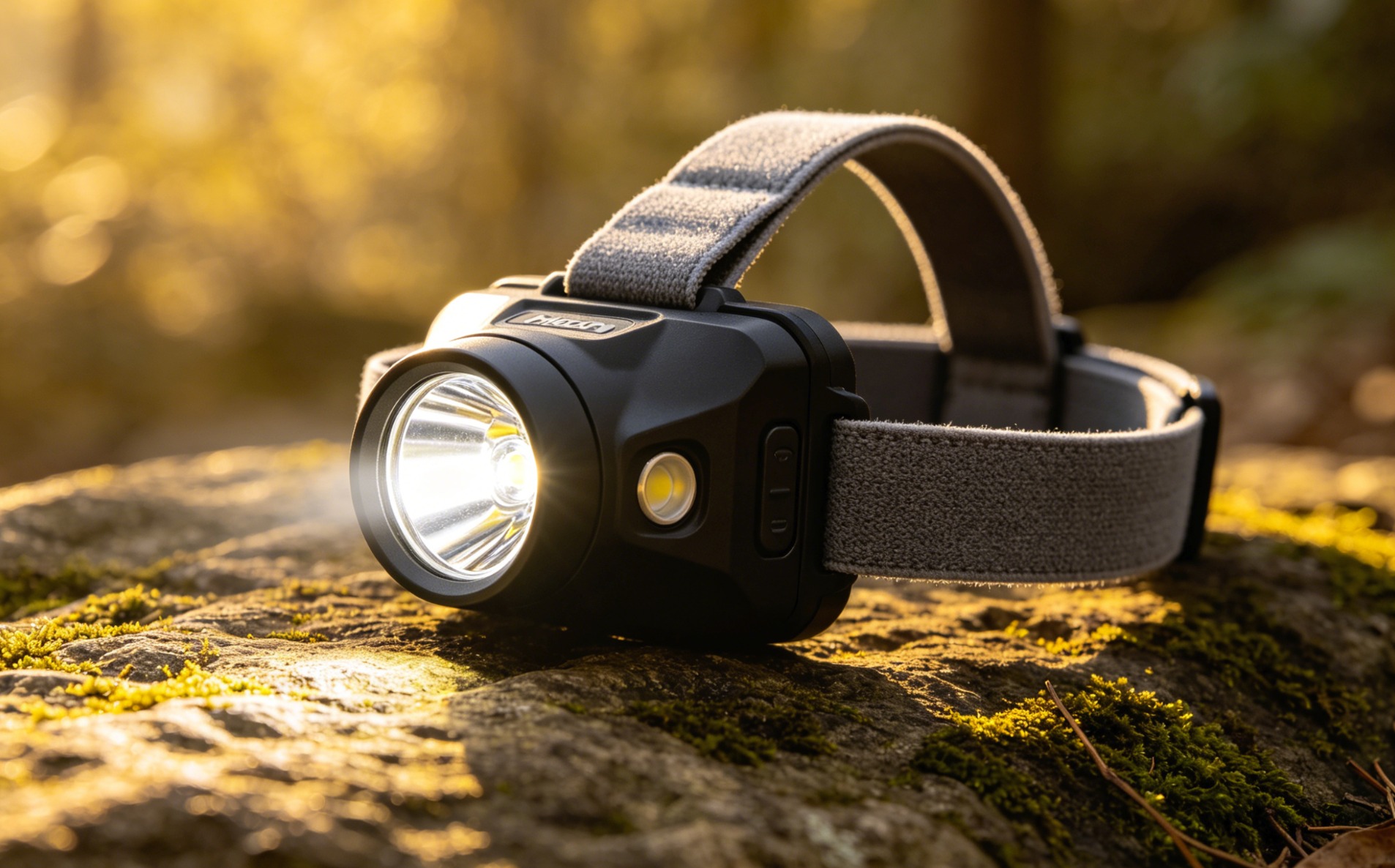
The IPX4 rating represents the fundamental baseline for weather-resistant hardware deployed in standard outdoor lighting equipment. This classification indicates protection against multi-directional water splashes hitting the outer casing for an extended duration. Engineers test these components using an oscillating tube mechanism or a specialized spray nozzle without a pressurized shield. The liquid delivery remains fixed at a flow rate of 10 liters per minute across a continuous ten-minute cycle. The primary objective is ensuring that splashing water from any angle will have no harmful effects on internal electronics.
From a structural perspective, achieving an IPX4 rating requires standard tongue-and-groove enclosure designs coupled with basic elastomeric seals around the battery compartment. This level of protection prevents ambient moisture, light rain, and human sweat from migrating into sensitive printed circuit boards. It serves as an affordable option for everyday consumer products, low-intensity camping, or brief nighttime running excursions in stable climates. However, this architectural design cannot withstand high-pressure downpours or sudden submersions, making it unsuitable for technical mountaineering or marine environments.
Mechanical Analysis of the IPX5 Waterproof Standard
The IPX5 classification elevates protection from basic splashing to resistance against low-pressure water streams projected from any angle. During certified laboratory evaluations, technicians subject the device enclosure to a stream delivered through a 6.3 mm internal diameter nozzle. The water flow rate increases to 12.5 liters per minute, and the core structural pressure reaches 30 kilopascals at a distance of three meters. This specific configuration simulates intense storm fronts, heavy driving downpours, and concentrated streams of fluid hitting the equipment casing.
To maintain an IPX5 rating, a rechargeable headlamp requires compression-molded silicone gaskets and secure threaded locking fasteners. The structural seams must dissipate the mechanical kinetic energy generated by targeted water streams without shifting out of alignment. This makes IPX5 devices highly dependable tools for long-distance trail running, technical backpacking, and industrial search operations where heavy storms occur. It ensures consistent lumen output and preserves battery lifespan even when exposed to severe driving rain for multiple hours.
Mechanical Analysis of the IPX7 Waterproof Standard
The IPX7 rating marks a shift from dynamic water projection to static fluid immersion resistance under specified depth conditions. This standard confirms that the internal electronics remain completely dry when submerged in water up to a depth of one meter. The standardized test duration lasts for exactly 30 minutes, creating a baseline pressure of approximately 9.8 kilopascals on the chassis. This protocol tests for both immediate material defects and the enclosure’s ability to resist negative pressure drops caused by rapid temperature shifts.
Engineers achieve IPX7 compliance by utilizing vacuum-sealed optical arrays, internal potting compounds, and double-ring fluorocarbon or nitrile O-ring configurations. The structural design must resist the hydrostatic pressures encountered during unexpected river crossings, flash floods, or accidental drops into deep water. For outdoor sports and commercial field operations, this specification provides the ultimate protection against complete water logging and short circuits. It is the gold standard for wilderness exploration, caving, marine navigation, and rescue operations where equipment submersion remains a constant operating hazard.
Technical Specification and Performance Matrix
The following table categorizes the distinct testing criteria, engineering requirements, and environmental limits associated with each Ingress Protection tier.
| Technical Metric | IPX4 Standard | IPX5 Standard | IPX7 Standard |
|---|---|---|---|
| Primary Protection Mode | Multi-directional fluid splashing | Low-pressure stream exposure | Temporary static deep immersion |
| Volumetric Flow Rate | 10 Liters per minute (±5%) | 12.5 Liters per minute (±5%) | Static displacement criteria |
| Applied Kinetic Pressure | Minimal ambient pressure | 30 kPa at a 3-meter distance | 9.8 kPa hydrostatic force |
| Minimum Test Duration | 10 Minutes continuous | 3 Minutes continuous | 30 Minutes continuous |
| Core Sealing Mechanism | Standard elastomeric gaskets | Compression-molded silicone | Double O-ring / Vacuum seals |
| Target Field Environment | Light rain, urban running | Heavy downpours, storms | Rivers, caves, deep submersion |
Application Selection Framework for Headlamp Purchasing
Choosing the appropriate waterproof rating requires analyzing the environmental challenges of your target deployment zone. Procurement officers and hardware distributors must match product specifications with real-world field conditions to optimize procurement costs. Over-specifying hardware leads to unnecessary manufacturing expenses, whereas under-specifying risks widespread equipment failure and safety hazards in the field.
For high-speed, low-exposure activities like nighttime road running or clear-weather trekking, IPX4 headlamps provide a balanced, lightweight option. When activities extend into remote alpine environments or coastal regions prone to sudden storms, step up to IPX5 equipment. For technical operations such as swift-water rescue, caving, and deep wilderness exploration, sourcing IPX7 hardware from a verified headlamp supplier is mandatory. This ensures the gear can survive a fall into water or a prolonged downpour without compromising critical visibility or safety.
Maintenance Protocols for Preserving Waterproof Seals
The integrity of an ingress protection rating depends heavily on routine equipment maintenance and proper field handling. Over time, environmental exposure, thermal cycling, and chemical degradation can wear down the elastomeric seals and weaken waterproof defenses. Regular inspections are critical to ensuring the equipment continues to perform up to its original testing specifications.
- Inspect and Lubricate O-Rings: Periodically check all visible silicone gaskets for micro-tears, flattening, or particulate buildup. Apply a thin layer of specialized dielectric silicone grease to keep the seals pliable and prevent dry rotting.
- Clean Charging Interfaces: Moisture mixed with dirt in USB charging ports can trigger galvanic corrosion when current flows through the device. Clean these areas using compressed air and isopropyl alcohol, and verify the protective rubber port caps are fully seated before exposing the unit to wet weather.
- Manage Thermal Expansion: High-output LED emitters generate internal heat that expands the air trapped inside the casing. Avoid plunging a hot headlamp directly into freezing alpine water; the sudden temperature drop creates an internal vacuum that can draw moisture past compromised seals.
- Flush Post Saltwater Exposure: Saltwater leaves behind corrosive crystalline deposits after it evaporates. Always rinse your equipment in clean fresh water after coastal or marine operations, then allow it to air-dry completely away from direct heat sources.
 Conclusion & Strategic Industry Outlook
Ingress Protection ratings provide a verifiable framework for assessing the environmental limits of modern lighting equipment. IPX4 hardware offers standard protection against light splashes, while IPX5 stands up to heavy driving rain, and IPX7 ensures full survival against accidental deep-water submersions. Sourcing high-quality equipment from an experienced headlamp factory guarantees consistent adherence to these strict engineering standards. Aligning equipment specifications with your specific field environment minimizes maintenance costs and ensures long-term operational reliability in any weather.
Frequently Asked Questions (FAQ)
1. Can an IPX7 rated headlamp safely withstand high-pressure washing or direct jet sprays?
No, an IPX7 certification only confirms protection against static submersion at a one-meter depth for up to thirty minutes. High-pressure streams require specialized dynamic sealing systems certified under separate testing protocols, such as the IPX6 or IPX9K standards.
2. Why does a headlamp lose its factory waterproof rating over extended periods of field deployment?
Waterproof integrity degrades due to elastomeric oxidation, mechanical friction on access threads, UV exposure, and chemical breakdown from insect repellents. Regular gasket lubrication and replacing worn seals are necessary to maintain factory protection levels over multi-year lifecycles.
3. Does a higher waterproof rating like IPX7 automatically mean a device is fully dustproof too?
The “X” placeholder means the product has not been officially certified under the dust protection protocols of the IEC 60529 standard. While advanced waterproof gaskets naturally block larger dirt particles, full dust protection requires a dedicated IP67 or IP68 certification.
4. What immediate steps should be taken if moisture manages to breach a headlamp enclosure?
Immediately turn off the device, remove the internal batteries, and leave all compartment doors fully open. Rinse away any dirty or salty residue with fresh distilled water, then dry the internal components using a dedicated drying agent or a low-temperature desiccant chamber.
5. How do extreme sub-zero temperatures impact the flexible seals of waterproof headlamps?
Extended exposure to sub-zero temperatures causes standard elastomer seals to harden, lose their elasticity, and develop micro-fractures. For cold-weather environments, ensure your equipment utilizes low-temperature silicone or fluorosilicone gaskets designed to retain flexibility in deep-freeze conditions.
Post time: May-25-2026


