 fannie@nbtorch.com
 +0086-0574-28909873



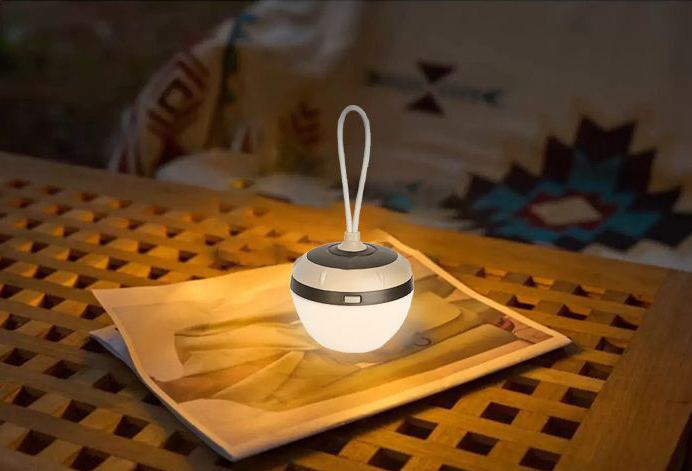
When the sun dips below the treeline and darkness blankets your campsite, a reliable camping lantern transforms your outdoor experience from stressful and limiting to warm, comfortable, and safe. Whether you’re car camping with family, backpacking through remote trails, preparing for emergency power outages, or setting up a backyard glamping spot, a high-quality camping lantern is one of the most essential pieces of outdoor gear you can own. Unlike handheld flashlights that require constant grip and focus on narrow beams, camping lanterns deliver wide, diffused area lighting that illuminates entire tents, cooking spaces, and camp gathering zones.
In this comprehensive 2026 camping lantern guide, we will break down everything you need to know to pick the perfect camping lantern for your needs. We will cover different types of camping lanterns, key technical specifications to prioritize, critical durability and safety features, top usage tips for maximum performance, and answers to the most frequently asked questions from outdoor enthusiasts. By the end of this guide, you will understand exactly what makes a great camping lantern and how to avoid common purchasing mistakes that leave campers stuck with dim, short-lived, or unreliable lighting on their trips.
Why a Quality Camping Lantern Is Non-Negotiable for Camping
Many new campers make the mistake of relying solely on phone flashlights or small handheld torches for after-dark campsite lighting. While these tools work in a pinch, they come with severe limitations that ruin the camping experience and create unnecessary safety risks. Phone flashlights drain battery life rapidly, leaving you without communication or emergency tools when you need them most. Handheld flashlights only produce narrow, focused beams, meaning you cannot light up a full campsite, cook safely, or move around your tent without constantly repositioning the light source.
A dedicated camping lantern solves all these problems with purpose-built outdoor functionality. First and foremost, camping lanterns provide 360-degree ambient lighting designed to cover large areas evenly. This soft, widespread light eliminates harsh shadows in your tent, at your cooking station, and around your camp seating area, creating a cozy and functional nighttime environment. Secondly, modern camping lanterns are engineered for outdoor durability, with weather-resistant builds that withstand rain, snow, dust, and accidental drops—features no smartphone or basic flashlight can match.
Beyond convenience, camping lanterns drastically improve campsite safety. Proper ambient lighting prevents trips, falls, and injuries when moving around uneven terrain after dark. Bright, consistent lighting also deters wildlife and lets you quickly spot hazards like loose gear, wet ground, or low-hanging branches. Additionally, most updated camping lantern models include emergency features such as strobe modes, red warning lights, and USB power bank functionality, making them critical tools for emergency preparedness both on camping trips and at home during power outages.
The Main Types of Camping Lanterns (2026 Comparison)
Not all camping lanterns are created equal. The best option for you depends entirely on your camping style: casual car camping, ultralight backpacking, long-distance hiking, emergency preparedness, or luxury glamping. Below, we break down the four most common types of camping lanterns, including their unique benefits, drawbacks, and ideal use cases to help you narrow down your search.
1. LED Rechargeable Camping Lanterns (Best All-Around Choice)
LED rechargeable camping lanterns dominate the 2026 outdoor gear market, and for good reason. These modern lanterns use energy-efficient LED bulbs paired with built-in rechargeable lithium-ion batteries, eliminating the ongoing cost of disposable batteries and delivering exceptional runtime. LED technology produces bright, clear light with minimal heat output, making these lanterns safe to use inside tents and close to camping gear, fabrics, and food supplies.
Top-tier rechargeable LED lanterns come packed with user-friendly features optimized for outdoor use. Most models offer multiple brightness modes (low, medium, high, and strobe), adjustable color temperatures (warm white for cozy tent lighting, cool white for task lighting), and digital power displays that show exact remaining battery percentage. Many premium options also include USB output ports, letting them double as portable power banks to recharge smartphones, smartwatches, and Bluetooth speakers while off-grid.
Pros: Ultra-energy-efficient, long bulb lifespan (up to 50,000 hours), no disposable battery waste, versatile lighting modes, lightweight, low heat output, multi-functional with power bank capabilities. Cons: Requires regular charging, limited runtime on maximum brightness settings. Ideal for: Car camping, family camping, backyard glamping, emergency home use, and most casual outdoor adventures.
2. Disposable Battery-Powered LED Lanterns (Best for Remote Trips)
Battery-operated camping lanterns that run on standard AA or AAA disposable batteries remain a staple for hardcore campers and remote expedition travelers. Unlike rechargeable models, these lanterns never require access to power outlets or solar chargers—you simply swap out dead batteries for fresh ones whenever needed. This makes them perfect for multi-day backcountry trips where recharging opportunities are non-existent.
Modern disposable battery lanterns still utilize LED bulbs for efficiency, balancing solid brightness with reasonable battery life on standard cell batteries. Most compact designs are lightweight and compact, fitting easily in backpacks or emergency kits. The main downside is recurring costs for disposable batteries and increased environmental waste compared to rechargeable alternatives.
Pros: Unlimited runtime with spare batteries, no charging required, highly reliable in remote areas, affordable upfront cost. Cons: Ongoing battery expenses, environmental waste, bulkier spare battery storage. Ideal for: Remote backpacking, multi-day wilderness expeditions, off-grid camping with no power access.
3. Solar-Powered Camping Lanterns (Best Eco-Friendly Off-Grid Option)
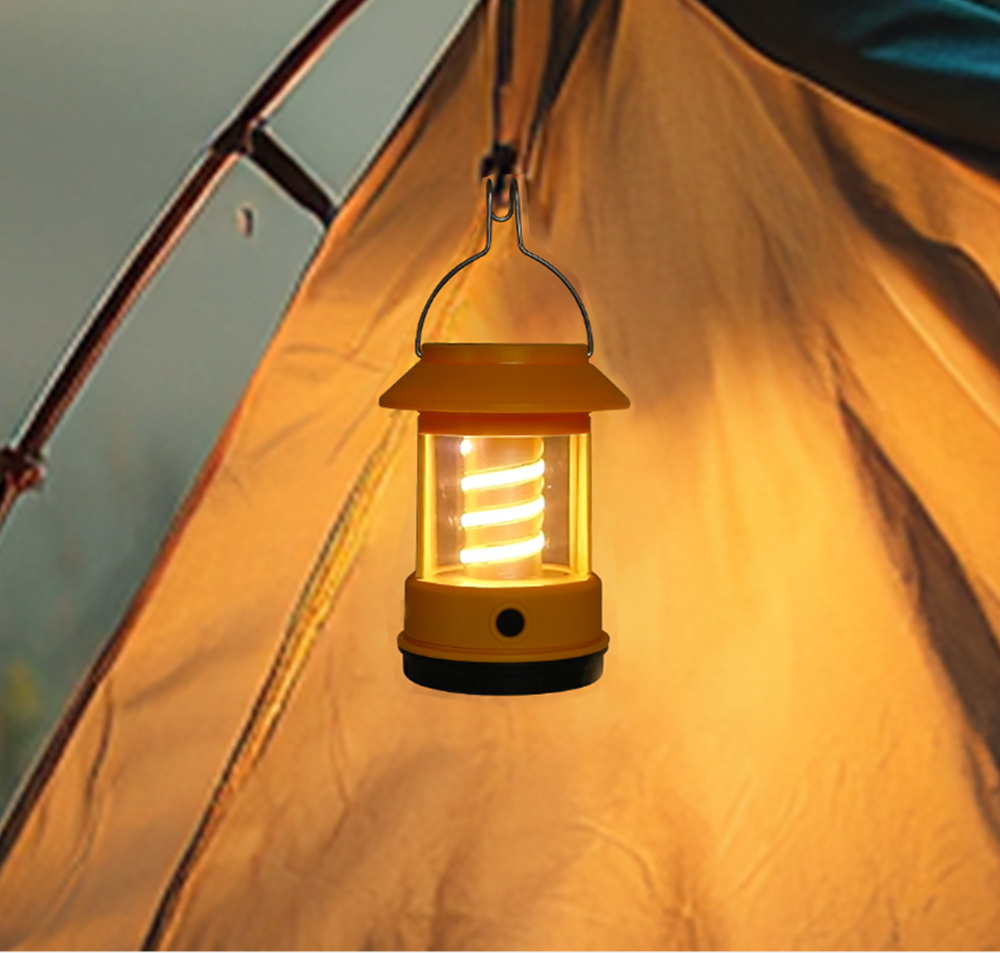
Solar camping lanterns are a sustainable, self-sufficient lighting solution for long-term camping and extended off-grid stays. Equipped with integrated solar panels, these lanterns harvest sunlight during the day to charge their internal batteries for nighttime use. Many solar models combine solar charging with USB charging ports for backup power, ensuring functionality even on cloudy, low-sunlight days.
Solar lanterns excel for week-long camping trips, wilderness survival scenarios, and permanent outdoor camping setups. They eliminate reliance on both disposable batteries and electrical outlets, making them the most eco-friendly camping lantern option available. However, their performance is heavily weather-dependent—heavy cloud cover, rain, or short winter days drastically reduce charging efficiency and runtime.
Pros: Zero ongoing power costs, fully sustainable, perfect for long off-grid trips, weather-resistant builds. Cons: Slow charging speed, poor performance in low sunlight, lower maximum brightness than LED rechargeable models. Ideal for: Extended camping stays, eco-conscious campers, survival preparedness, summer wilderness trips.
4. Gas & Propane Lanterns (Best for Maximum Brightness)
Traditional gas and propane camping lanterns are designed for industrial-level brightness, capable of lighting up entire large campsites, picnic areas, and outdoor work zones. These lanterns burn liquid fuel or propane canisters to produce intense, warm light that far outperforms most budget LED models. For group camping events, large outdoor gatherings, and base camp setups, gas lanterns remain unmatched in raw light output.
Despite their powerful brightness, gas lanterns have significant drawbacks for casual campers. They produce open flames and high heat, making them unsafe for tent use and close proximity to flammable gear. They require fuel canister refills, produce fumes, and are bulkier and heavier than LED alternatives. Additionally, they pose minor fire risks if not operated carefully.
Pros: Extreme brightness, long continuous runtime, no electricity needed. Cons: Hot surface temperatures, fire hazards, unsafe for tent use, bulky, requires fuel refills. Ideal for: Large group base camps, outdoor work sites, open-area camping, big gathering events.
Key Features to Look for in a 2026 Camping Lantern (Buying Guide)
With hundreds of camping lantern models flooding the outdoor gear market, it can be overwhelming to separate high-quality, functional options from cheap, low-performance alternatives. To help you make a data-driven purchase, we’ve outlined the most critical technical and practical features to prioritize when shopping for a camping lantern in 2026.
1. Brightness (Lumens)
Lumens measure the total visible light output of a lantern, and this metric directly determines how large an area your lantern can illuminate. For reference, small personal tent lanterns only need 50–150 lumens to light up a single-person tent and create soft ambient lighting. Standard family camping lanterns perform best at 200–800 lumens, providing enough light for cooking, dining, and multi-person tent use. Heavy-duty camping and emergency lanterns offer 1000–4000 lumens for full campsite illumination and outdoor emergency signaling.
A common mistake campers make is choosing an overly bright lantern for tent use. Ultra-high lumen settings produce harsh, glaring light that strains eyes and attracts more bugs. Always opt for a lantern with adjustable brightness modes to tailor light output to your specific environment.
2. Battery Capacity & Runtime
Battery capacity (measured in mAh) dictates how long a rechargeable lantern can operate on a single charge. For casual weekend camping, a 5000mAh battery is sufficient, offering 6–12 hours of runtime on medium brightness. For extended trips, 10000mAh high-capacity lanterns deliver 15–30 hours of low-mode runtime and even feature power bank functionality for charging mobile devices.
Always check real-world runtime ratings instead of relying solely on mAh numbers. Most manufacturers list maximum runtime on low brightness, while high brightness modes drain batteries significantly faster. Top 2026 lantern models include digital power displays to eliminate guesswork and let you monitor exact remaining battery life.
3. Weather Resistance (IP Rating)
Outdoor gear must withstand unpredictable weather, and your camping lantern is no exception. Look for lanterns with official IP (Ingress Protection) ratings to guarantee dust and water resistance. An IPX4 rating protects against splashing rain and dust for casual camping. An IPX5 rating offers superior water resistance, withstanding heavy rain, wind-blown water, and accidental splashes near lakes or campsite water sources—this is the ideal rating for year-round camping.
Avoid unrated lanterns with generic “waterproof” marketing claims, as these offer no verified protection against moisture damage and will fail quickly in wet outdoor conditions.
4. Portability & Mounting Options
The best camping lanterns balance compact size, lightweight design, and versatile mounting functionality. Collapsible lantern designs fold down to pocket size for easy backpack storage, expanding to full size for maximum light diffusion. Premium models feature dual mounting systems: a built-in hanging hook for suspending from tent ceilings or tree branches, and a magnetic base for attaching to metal camp tables, car hoods, or grill frames for hands-free task lighting.
For backpackers, prioritize lightweight lanterns under 200 grams to avoid adding unnecessary pack weight. For car campers, larger, feature-rich models with bigger batteries are perfectly acceptable for enhanced performance.
5. Lighting Modes & Color Temperature
Modern multi-functional camping lanterns include versatile lighting modes to suit every scenario: low ambient mode for relaxed tent lighting, medium mode for general campsite use, high mode for task work like cooking or gear repair, and strobe/red warning modes for emergency signaling. Adjustable color temperatures are another premium feature: warm white light (2700K–3000K) reduces bug attraction and creates a cozy atmosphere, while cool white light (5000K–6000K) delivers crisp, clear visibility for detailed tasks.
Camping Lantern Usage Tips for Better Performance & Longevity
Even the highest-quality camping lantern will underperform if used incorrectly. These expert outdoor tips will help you maximize battery life, improve lighting quality, extend your lantern’s lifespan, and create a safer, more comfortable campsite environment.
First, always match your brightness setting to your activity. Use low mode for evening relaxation and tent lighting to conserve battery power, and only switch to high mode for cooking, cleaning gear, or navigating dark trails. This simple habit can double or triple your lantern’s runtime on a single charge.
Second, position your lantern strategically to minimize bug attraction and maximize light coverage. Insects are drawn to bright cool white light, so use warm light modes after dusk and place lanterns 15–20 feet away from seating and dining areas to draw bugs away from your camp group. Hanging lanterns at chest height or higher creates wider, more even illumination than placing them on the ground, where shadows dominate the campsite.
Third, practice proper lantern maintenance to extend durability. Wipe down the lens and body after each trip to remove dust, dirt, and campground debris that can dim light output. Store lanterns in dry, cool places during off-seasons, and fully charge rechargeable lanterns before long storage periods to preserve battery health. Avoid dropping or submerging IPX5-rated lanterns beyond their water resistance limits to prevent internal damage.
Finally, leverage multi-functional features for emergency preparedness. Keep your camping lantern in your home emergency kit alongside flashlights and first aid supplies. The strobe mode can signal for help during wilderness emergencies, while the USB power bank feature ensures you can charge your phone during blackouts or remote camping trips.
Frequently Asked Questions About Camping Lanterns (2026)
Are LED camping lanterns better than gas lanterns?
For 90% of campers, LED rechargeable lanterns are superior. They are safer (no open flames or hot surfaces), more energy-efficient, lightweight, low-maintenance, and suitable for tent use. Gas lanterns only outperform LED models in maximum raw brightness for large open campsites, but their safety risks and bulk make them impractical for casual and family camping.
How many lumens do I need for camping?
50–150 lumens works for single-person tent lighting. 200–800 lumens is perfect for family camping, cooking areas, and small group campsites. 1000+ lumens is ideal for large group base camps, emergency signaling, and wide-area outdoor lighting.
Can I leave a camping lantern on all night in my tent?
Yes, modern LED camping lanterns are safe for overnight tent use. They produce minimal heat, have no open flames, and feature low-power night modes for all-night ambient light. Never use gas or propane lanterns inside tents, as they produce heat, fumes, and fire hazards.
How long do rechargeable camping lanterns last?
High-quality lithium-ion rechargeable lanterns offer 6–30 hours of runtime depending on brightness mode. On low ambient mode, most 10000mAh models can run continuously for multiple nights. With proper maintenance, the internal battery lasts 3–5 years of regular use, and LED bulbs never need replacement for the entire lifespan of the device.
Final Thoughts
A premium camping lantern is more than just an outdoor accessory—it is a core piece of safety and comfort gear that elevates every camping trip. Whether you are a casual weekend car camper, a dedicated backpacker, or an outdoor enthusiast focused on emergency preparedness, investing in a durable, multi-functional LED rechargeable camping lantern is one of the smartest upgrades you can make to your outdoor gear collection.
By prioritizing key features like adjustable lumens, high-capacity batteries, IPX5 weather resistance, versatile mounting options, and multi-mode lighting, you can enjoy reliable, long-lasting campsite lighting for every adventure. Ditch unreliable phone flashlights and outdated bulky lanterns—modern 2026 camping lanterns deliver lightweight, eco-friendly, and high-performance lighting designed specifically for the unique challenges of the outdoors.
Post time: Aug-25-2026


